
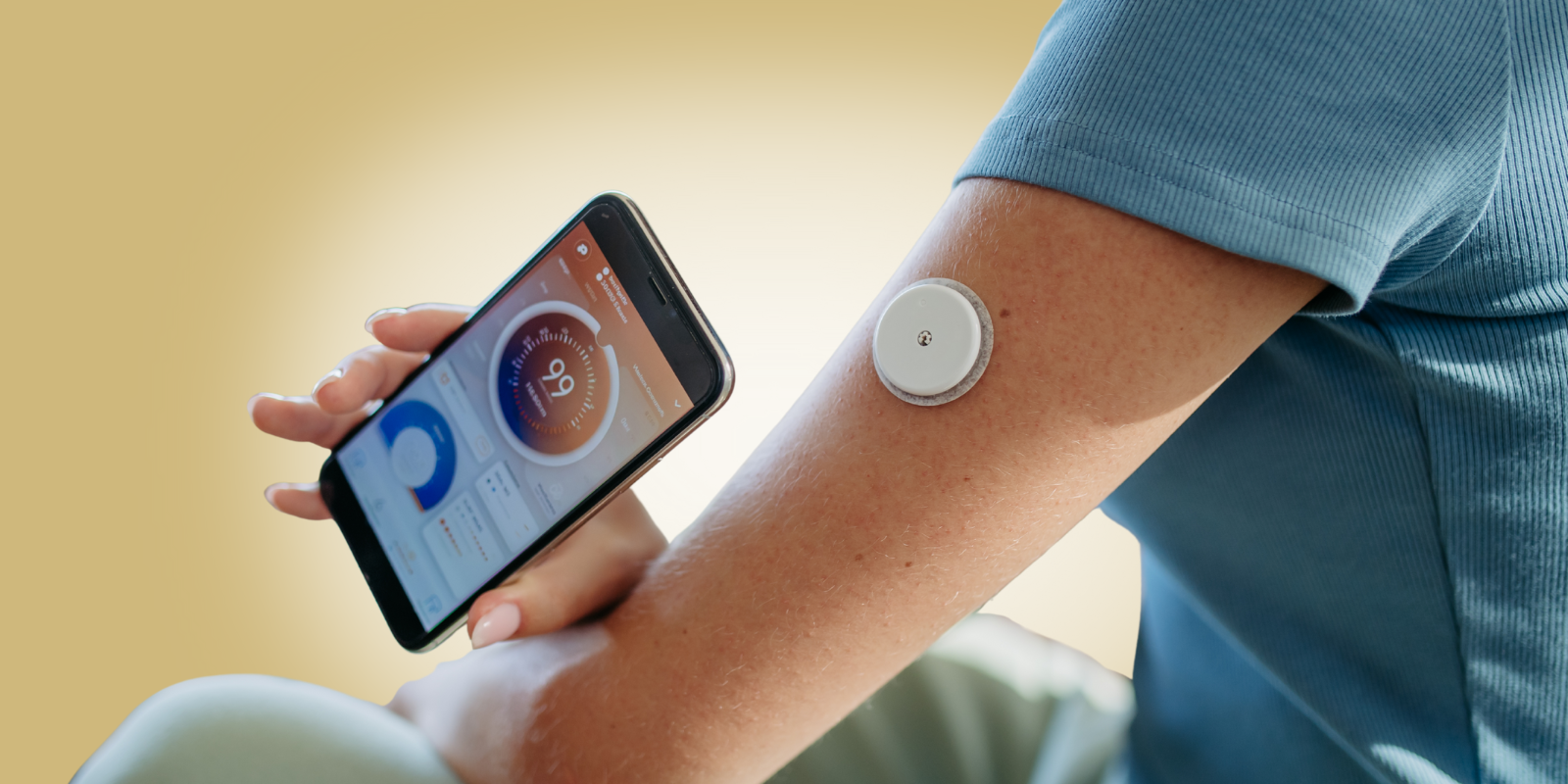
Managing diabetes effectively requires consistent monitoring and understanding of blood glucose levels. In recent years, technological advancements have introduced the diabetes monitor as an essential tool in diabetes care. Whether for type 1 or type 2 diabetes, smart diabetes monitors have revolutionized how individuals manage their condition. This article explores why a Diabetes monitor is indispensable for modern diabetes management.
Understanding Diabetes and Its Challenges
Diabetes is a chronic condition that affects how the body processes blood sugar. Without proper monitoring, blood glucose levels can fluctuate dangerously, leading to complications such as heart disease, kidney damage, and neuropathy. Traditional methods of diabetes management often rely on periodic doctor visits and manual blood glucose checks, which may not provide a complete picture of daily glucose variations. A diabetes monitor bridges this gap by offering real-time insights, enabling timely interventions and better long-term health outcomes.
What Is a Smart Diabetes Monitor?
A smart diabetes monitor is a device designed to track blood glucose levels continuously or at regular intervals. Unlike traditional glucose meters, these monitors are equipped with sensors, mobile connectivity, and sometimes AI-driven analytics to help users understand trends and patterns. Features such as automatic data logging, personalized alerts, and integration with health apps make smart diabetes monitors an essential companion for people living with diabetes.
Benefits of Using a Diabetes Monitor
Accurate and Continuous Monitoring
One of the primary advantages of using a diabetes monitor is accuracy. These devices reduce human error by providing consistent and precise readings. Continuous glucose monitoring allows users to see real-time trends, which is crucial for adjusting diet, exercise, and medication. Accurate monitoring can prevent dangerous highs and lows in blood sugar, reducing the risk of complications.
Improved Diabetes Management
A smart diabetes monitor empowers users to take control of their condition. By observing trends and patterns, patients can make informed decisions regarding insulin doses, dietary choices, and lifestyle adjustments. This proactive approach enhances diabetes management, promoting overall health and well-being.
Convenience and Ease of Use
Modern diabetes monitors are user-friendly and minimally invasive. Many devices require only a small sensor on the skin, eliminating the need for frequent finger-prick tests. Mobile app integration allows users to track their glucose levels seamlessly, share data with healthcare providers, and receive alerts for abnormal readings. The convenience of a smart diabetes monitor makes it easier for individuals to maintain consistent monitoring routines.
Early Detection of Complications
Continuous monitoring with a diabetes monitor can help detect early signs of complications. For example, prolonged high blood sugar levels can signal the need for medical intervention. With a smart diabetes monitor, users can receive alerts when glucose levels deviate from their target range, enabling timely action and reducing the risk of severe health issues.
Personalized Insights and Recommendations
Many smart diabetes monitors come with AI-powered analytics that provide personalized insights. These devices can identify patterns, such as glucose spikes after certain meals or physical activities, helping users tailor their diabetes management plan. Personalized recommendations enhance the effectiveness of treatment and lifestyle adjustments.
Types of Diabetes Monitors
Continuous Glucose Monitors (CGMs)
Continuous glucose monitors are designed to track glucose levels throughout the day and night. A sensor placed under the skin measures glucose in interstitial fluid, providing real-time data. CGMs offer alerts for high and low blood sugar, making them ideal for proactive diabetes management.
Flash Glucose Monitors
Flash glucose monitors require scanning a sensor with a reader or smartphone to obtain readings. While not fully continuous, they still provide frequent data points and help users track trends over time. Flash monitors are a convenient option for those seeking less invasive monitoring without sacrificing accuracy.
Traditional Blood Glucose Meters
While less advanced, traditional blood glucose meters remain a widely used diabetes monitor option. They require finger-prick blood samples and manual logging but are effective for occasional monitoring or as a backup to smart devices.
How to Choose the Right Diabetes Monitor
Selecting the right diabetes monitor depends on individual needs and preferences. Factors to consider include ease of use, accuracy, data integration, and cost. Smart monitors with mobile connectivity and personalized analytics are ideal for individuals seeking comprehensive diabetes management. Consulting with a healthcare provider can also help determine the most suitable diabetes monitor for specific health requirements.
Tips for Effective Diabetes Monitoring
To maximize the benefits of a diabetes monitor, consider the following tips:
- Monitor consistently: Regular use ensures accurate trend tracking.
- Record lifestyle factors: Track meals, exercise, and stress levels alongside glucose readings.
- Use alerts wisely: Set notifications for high and low readings to respond promptly.
- Share data with healthcare providers: Remote monitoring helps doctors make informed decisions.
- Stay updated on technology: New features in smart diabetes monitors can enhance management.
Conclusion
A smart diabetes monitor is no longer a luxury but a necessity for effective diabetes management. It provides accurate readings, continuous monitoring, personalized insights, and early warning signs for complications. By integrating a diabetes monitor into daily routines, individuals with diabetes can achieve better health outcomes, reduce risks, and enjoy a more proactive approach to managing their condition. Embracing this technology is a vital step toward improved quality of life for anyone living with diabetes.