
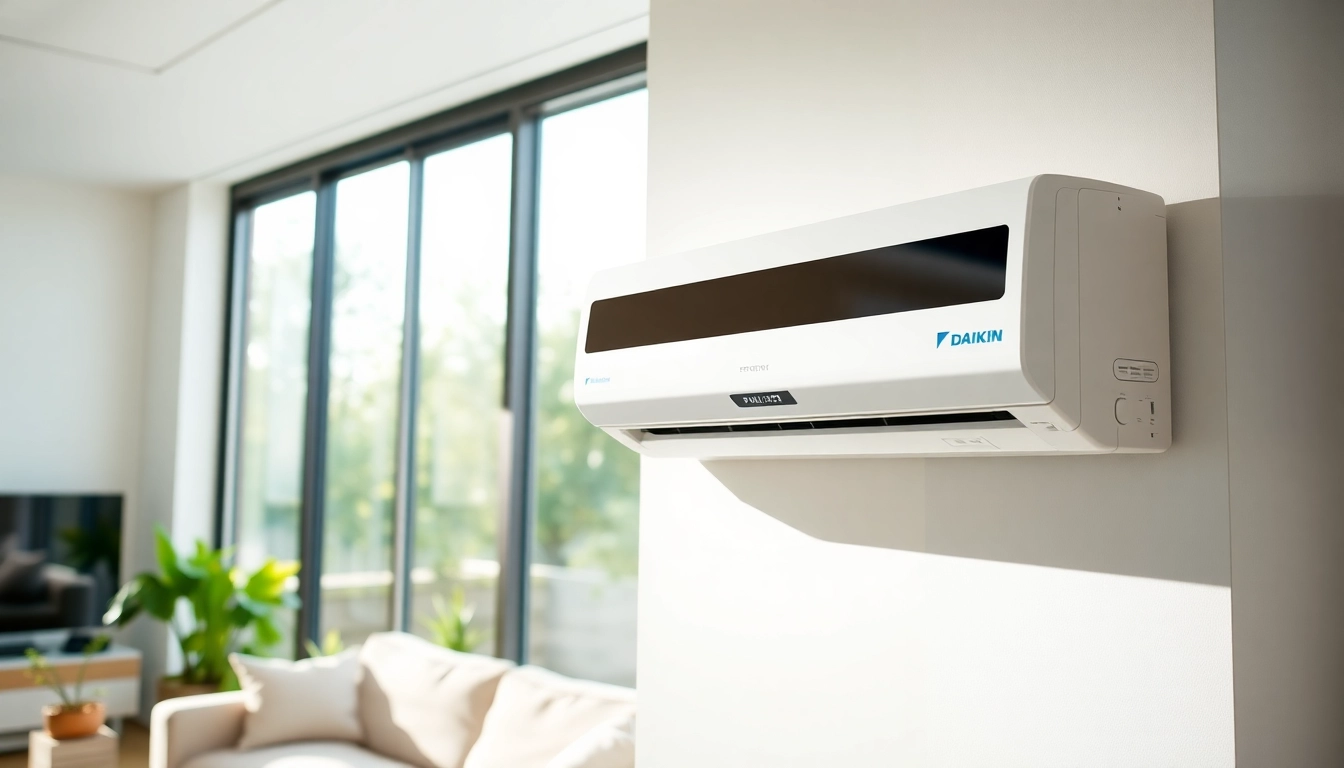
Understanding the Basics of Daikin Mini Split AC
What is a Daikin Mini Split AC?
A daikin mini split ac is a type of air conditioning system that consists of two primary components: an indoor unit and an outdoor unit. Unlike traditional central air conditioning systems, which rely on ductwork to distribute cool air throughout a building, mini split systems are ductless. This design allows for greater flexibility in installation and efficiency in energy use. Due to their compact size, they are ideal for a variety of spaces, including homes, offices, and even individual room setups in larger buildings.
How Does a Mini Split AC Work?
The operation of a Daikin mini split AC is based on the principles of refrigeration. The outdoor unit houses the compressor, which compresses refrigerant and pumps it into the indoor unit, where it expands and absorbs heat from the indoor air. This process cools the air, which is then circulated back into the room through a fan. The system operates quietly and efficiently, as the compressor is located outside the building, reducing noise levels indoors. The use of advanced inverter technology allows for variable speed operation, which further enhances energy efficiency and comfort.
Key Features of Daikin Mini Split AC
- Inverter Technology: Provides precise temperature control and eliminates the energy waste typical of non-inverter systems.
- Multi-Zone Capability: Allows for up to five indoor units to be connected to a single outdoor unit, facilitating individualized cooling for multiple areas.
- Energy Efficiency Ratings: Many models have high SEER (Seasonal Energy Efficiency Ratio) ratings, which translates into reduced energy bills.
- Easy Installation: Minimal invasive installation procedures with no need for ductwork.
- Wi-Fi Connectivity: Enables remote control and monitoring through mobile applications.
Benefits of Using a Daikin Mini Split AC
Energy Efficiency and Cost Savings
One of the most significant advantages of installing a Daikin mini split AC is its energy efficiency. These systems typically consume less energy compared to conventional air conditioning units. The inverter technology allows for adjustments in output based on the current demand, which reduces the unit’s energy consumption and results in lower monthly utility bills. Additionally, many units qualify for energy savings rebates offered by various utility companies, increasing overall cost savings.
Improved Indoor Air Quality
Daikin mini split AC units contribute to improved indoor air quality through their advanced filtration systems. These systems can filter out dust, pollen, and other airborne particles, circulating clean air throughout your space. Furthermore, since they are ductless, there is a reduced risk of mold and other contaminants that can accumulate in ductwork, making these systems healthier options for residential and commercial settings.
Quiet Operation and Comfort
The technology used in Daikin mini split AC units enables them to operate at considerably lower noise levels than traditional air conditioning systems. The outdoor compressor works quietly, while the indoor units provide a soothing cooling experience without disruptive noise. This quiet operation makes them suitable for places where peace and tranquility are paramount, such as bedrooms, libraries, and offices.
Installation Process for Daikin Mini Split AC Systems
Steps to Prepare for Installation
Preparing for the installation of a Daikin mini split AC system begins with a thorough assessment of your space. This includes determining the cooling needs and identifying the best locations for both the indoor and outdoor units. A professional HVAC technician typically conducts this evaluation, offering insights into the model that best meets your requirements.
Choosing the Right Location
When selecting installation locations, consider the following factors: optimal air distribution, accessibility for maintenance, and proximity to electrical outlets. Indoor units should be positioned where they can effectively circulate cool air throughout the room, avoiding corners and obstructions. The outdoor unit must be installed in a ventilated area that allows for proper heat dissipation, typically on a firm surface like concrete or specialized mounting brackets.
After Installation: What to Expect
Post-installation, it’s essential to familiarize yourself with your new Daikin mini split AC unit’s remote control features and settings. Regular operation tips include setting the temperature at a comfortable level and ensuring the airflow direction is conducive to efficient cooling. Users should also be aware of potential initial noises as the system runs for the first time, which usually settle after a short while. Additionally, scheduling routine maintenance is crucial for long-term performance and reliability.
Comparing Daikin Mini Split AC with Other Cooling Systems
Daikin Mini Split vs. Central Air Conditioning
While both Daikin mini split AC systems and central air conditioning units are popular choices for home cooling, they cater to different needs. Central AC requires ductwork and is more suitable for larger homes requiring uniform cooling. In contrast, a Daikin mini split AC is more versatile, allowing for zoning, where different areas can be heated or cooled independently. This leads to greater energy efficiency and potential cost savings if certain areas are rarely used.
How Does It Stand Against Window Units?
Compared to window units, the Daikin mini split AC provides a more permanent and aesthetic solution for cooling spaces. Window units can obstruct views and often require manual installation each season, while mini splits offer a discreet design with no window disruption. Furthermore, mini split systems consume less energy and provide more consistent temperature control than window units, presenting a more comfortable environment.
When to Choose a Daikin Mini Split AC
Choosing a Daikin mini split AC is ideal under specific circumstances such as retrofitting older homes without existing ductwork, needing tailored climate control in different rooms, or requiring a quiet solution for home offices and bedrooms. They also excel in providing supplementary cooling in larger spaces or during peak summer months when traditional systems may struggle to maintain comfort levels.
Maintenance Tips for Your Daikin Mini Split AC
Regular Cleaning and Care
Routine maintenance of a Daikin mini split AC involves regular cleaning of the filters, as dirty filters can diminish airflow and reduce efficiency. It is recommended to clean or replace filters every one to three months, depending on usage. Additionally, inspecting and cleaning the outdoor unit to remove debris and ensuring unobstructed airflow is crucial for optimal performance.
Signs That Indicate a Need for Maintenance
Homeowners should be vigilant for signs indicating that their Daikin mini split AC may require maintenance. These can include unusual noises such as rattling or buzzing, inconsistent cooling performance, and higher-than-normal energy bills. Furthermore, if water is leaking from the unit, it is important to address the issue immediately, as it can lead to further damage or mold growth.
Long-Term Care Strategies
For long-term performance of your Daikin mini split AC, schedule professional inspections annually. This ensures that any potential issues are addressed before they escalate into major repairs. Moreover, consider servicing the unit at the beginning of each cooling season to ensure optimal operation. Keeping records of all maintenance and service work aids in tracking the unit’s performance over time and can assist in future decisions regarding upgrades or replacements.
FAQs about Daikin Mini Split AC
1. How quiet is a Daikin mini split AC?
Daikin mini split AC units are designed to operate quietly, with noise levels often ranging between 19 to 32 decibels, making them suitable for bedrooms and offices.
2. Can I install a Daikin mini split AC myself?
While it’s possible to install a mini split AC as a DIY project, hiring a professional ensures proper installation and compliance with local regulations and efficiency standards.
3. What is the lifespan of a Daikin mini split AC?
With proper maintenance, a Daikin mini split AC can last between 12 to 15 years, providing efficient cooling throughout its service life.
4. How often should I clean the filters of my Daikin mini split AC?
It’s advisable to clean or replace the filters every one to three months to maintain optimal airflow and efficiency.
5. What temperature settings are optimal for energy savings?
Setting your Daikin mini split AC to around 75°F during summer can achieve a balance of comfort and energy efficiency while saving on utility bills.