1. Introduction to Goechala Trek
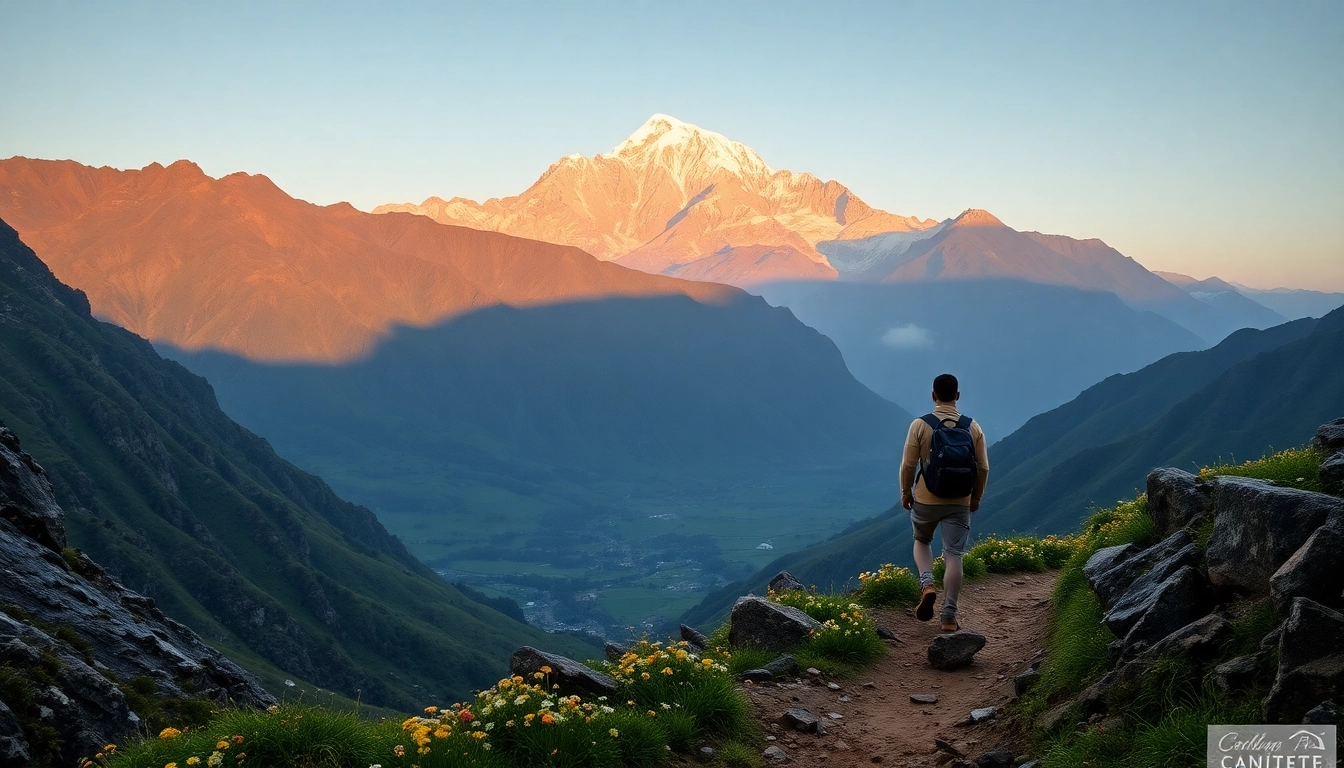
The goechala trek is one of the most iconic trekking experiences in India, nestled in the picturesque region of Sikkim. This trek not only challenges your physical endurance but also rewards you with breathtaking views of the majestic Kanchenjunga—the third highest mountain in the world—and its surrounding peaks. This rich Himalayan landscape teems with diverse flora and fauna, making it a cherished adventure for trekking enthusiasts.
What is the Goechala trek?
The Goechala trek spans approximately 90 kilometers, typically taking about 10 to 11 days to complete. Beginning in Yuksom, the trek leads through lush valleys, steep ascents, and rocky paths before culminating at Goecha La, a high mountain pass that serves as one of the best vantage points for Kanchenjunga. The trail is known for its diverse landscapes, including dense forests, alpine meadows, and glacial terrain, providing trekkers with a taste of the grandeur of the Himalayas.
Significance and highlights of the trek
Beyond its physical challenge, the Goechala trek possesses a rich cultural backdrop. Trekkers will pass through traditional villages, encounter local monasteries, and experience the way of life of the Sikkimese people. Highlights include the stunning Dzongri viewpoint, the serene Thansing campsite, and the enchanting connection to nature, which allows trekkers to immerse themselves in the ancient tales and natural beauty of Sikkim.
Who should undertake the Goechala trek?
This trek is best suited for experienced trekkers who possess a good level of fitness, as it involves significant elevation gain and challenging terrain. While beginners can attempt the trek with adequate training and preparation, those with prior high-altitude trekking experience will find the journey more enjoyable and manageable. Adventurers looking to push their limits and witness exceptional mountain scenery will find the Goechala trek a reward beyond measure.
2. Trek Itinerary Overview
Planning your trek involves understanding the day-by-day itinerary designed to optimize your experience while ensuring safety and enjoyment. Here’s a more detailed breakdown of what the Goechala trek typically entails.
Day-by-day breakdown of the Goechala trek
- Day 1: Yuksom to Sachen
- Day 2: Sachen to Tshoka
- Day 3: Tshoka to Dzongri
- Day 4: Dzongri to Thansing
- Day 5: Thansing to Goecha La and Return
- Day 6: Thansing to Dzongri
- Day 7: Dzongri to Tshoka
- Day 8: Tshoka to Yuksom
The journey begins in Yuksom with a drive to the trailhead, followed by a 10 km hike to Sachen, revealing stunning forest landscapes along the way.
On this day, trek about 7 km to Tshoka, where you can witness the beautiful rhododendron trees bloom in spring.
A more strenuous hike of 10 km awaits, leading to Dzongri, the highest point for acclimatization before heading to Goecha La.
This 10 km trek will take you through breathtaking alpine meadows to Thansing, your base camp for the ascent to Goecha La.
After an early start, trek approximately 14 km to Goecha La. Enjoy panoramic views before returning to Thansing for the night.
Retracing your steps, today’s focus is on descent back to Dzongri to rest and recover.
The trek to Tshoka gets you back into familiar territory, allowing for serene views and reflection on the journey.
The final day of trekking returns to Yuksom, concluding your adventure while celebrating the achievement.
Key landmarks and resting spots
Along the Goechala trek, key landmarks include the sacred Kanchenjunga Range, the serene Thangsing Lake, and the sublimely picturesque Dzongri Viewpoint. Resting spots provide comfortable campsites close to nature, ensuring trekkers can recharge and enjoy the mountain’s beauty.
Length and duration of the trek
The complete trek covers around 90 km, usually accomplished in 10 to 11 days. Trekkers should ideally allocate a few extra days for acclimatization, as the trek reaches altitudes exceeding 16,200 feet (4,950 meters).
3. How to Prepare for the Goechala Trek
Success on the Goechala trek hinges on adequate preparation, from physical fitness to gear selection. Here’s how to ready yourself for this majestic journey.
Essential fitness training for trekkers
Building endurance is crucial for the Goechala trek. Start integrating cardiovascular activities into your routine, such as jogging, swimming, or cycling. Aim for longer distances on weekends to simulate trekking conditions. Incorporate strength training to enhance your core and leg muscles, as ascents require significant power and stability.
Required gear and packing list
Your packing list should include:
- Sturdy trekking boots with proper insulation
- Weatherproof clothing layers (thermal inner layers, waterproof jackets)
- Sleeping bag rated for low temperatures
- Medical kit, sunscreen, and insect repellent
- High-energy snacks and hydration systems
Familiarize yourself with your gear before the trek, ensuring everything fits comfortably and functions properly.
Safety tips for high-altitude trekking
Prioritize acclimatization by allowing your body to adjust to the altitude. Hydrate adequately to prevent altitude sickness, and remain vigilant about your limits. Observe for signs of fatigue, and rethink your day’s plan if necessary. Always trek with companions or a guide for safety.
4. Flora and Fauna along the Goechala Trek
One of the joys of the Goechala trek is immersing yourself in nature, observing a rich tapestry of flora and fauna unique to this Himalayan region.
Unique plants and wildlife to observe
The diverse ecosystems along the trek support a variety of species. Rhododendron forests, oak trees, and Himalayan ferns blanket the landscapes, while rare wildlife like the Red Panda and various pheasants can be spotted in their natural habitats. Birdwatchers will delight in the numerous avian species endemic to this region.
Environmental conservation on the trek
As trekkers, it is vital to respect nature during your journey. Follow the principles of Leave No Trace: carry out what you bring in, minimize campfire impact, and refrain from disturbing wildlife. Engaging in sustainable practices helps preserve this pristine environment for future generations.
Photography opportunities
Every twist in the trail offers stunning vistas. Capture landscapes of towering peaks, serene valleys, and the vibrant colors of flora. Sunrise and sunset at viewpoints like Dzongri are particularly photogenic, providing incredible light for capturing the breathtaking scenery.
5. Frequently Asked Questions
How challenging is the Goechala trek?
The Goechala trek is considered challenging due to its high altitude and rugged terrain. It requires good physical fitness and acclimatization.
What is the best time to undertake the trek?
The ideal time for the Goechala trek ranges from late April to early June and mid-September to November when the weather is clear and suitable for trekking.
Cost breakdown for the Goechala trek?
The cost varies by season, ranger permits, transportation, and accommodation, ranging around ₹1500–₹3000 ($20–$40) for trekkers. Additional costs ensue for gear rentals and food.
What permits do I need for the Goechala trek?
A trekking permit and environmental clearance must be secured at the Sikkim Tourism office in Gangtok before you embark on the trek.
How to book a trek for Goecha?
Bookings can be made through trekking agencies that organize tours for the Goechala trek. Ensure they provide a registered guide and necessary permits to facilitate your journey.