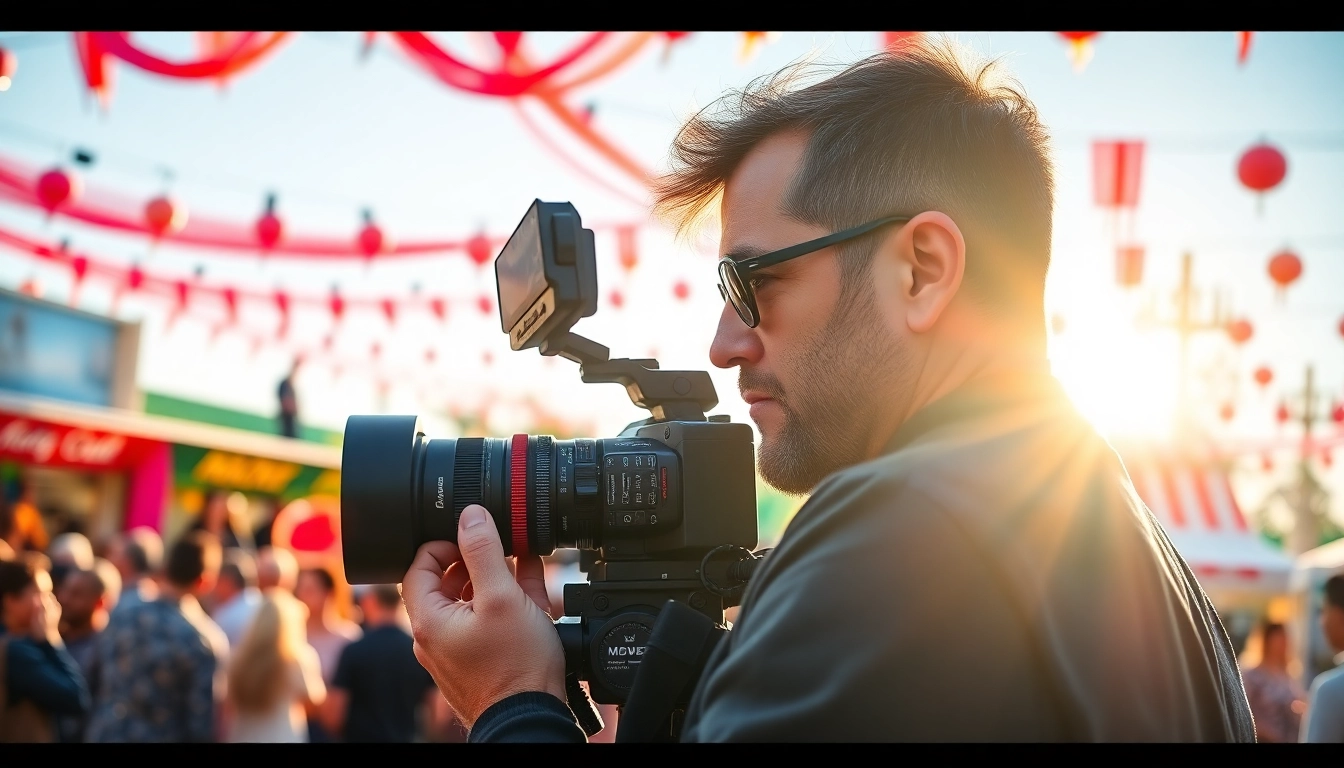

Introduction to the Role of a Film Maker
The journey of becoming a successful Film Maker is both exhilarating and challenging. This multifaceted career encompasses artistic vision, technical skill, and an understanding of the film industry. Whether you are aspiring to create epic blockbusters or intimate indie films, an in-depth comprehension of what a film maker does is crucial to navigating this dynamic profession.
What Does a Film Maker Do?
A film maker acts as the driving force behind the creation of a movie. This role can encompass various responsibilities ranging from directing, writing, and producing to managing a crew and overseeing the entire production process. Generally, the film maker is involved in:
- Concept Development: Generating unique ideas for scripts, themes, and characters.
- Scriptwriting: Crafting engaging narratives that resonate with audiences.
- Directing: Guiding actors and crew towards a shared vision of the final product.
- Producing: Coordinating budgets, schedules, and the logistics of production.
- Post-Production Supervision: Overseeing the editing, sound design, and visual effects.
Skills Essential for Every Film Maker
The success of a film maker hinges on a diverse set of skills that blend creativity with technical proficiency. Key skills include:
- Creativity: The ability to generate original ideas and convey compelling narratives.
- Technical Knowledge: Understanding camera operation, lighting, sound design, and editing software.
- Leadership: Directing teams and managing collaborative efforts effectively.
- Communication: Conveying ideas clearly to cast and crew while also being receptive to feedback.
- Problem-Solving: Overcoming unexpected challenges during filming or editing.
The Importance of Creativity in Film Making
Creativity is the lifeblood of film making. It fuels every aspect, from brainstorming initial ideas to final edits. A film maker must think outside the box and innovate, whether through unconventional storytelling, unique cinematography, or pioneering new techniques. The ability to reinvent traditional methods or genres can set a film apart and make it resonate with audiences on a deeper level.
Understanding Film Making Techniques
Types of Film Making Techniques
Different film making techniques contribute to a film’s final aesthetic and emotional impact. Here are some essential types:
- Narrative Cinematic Techniques: Utilizing storytelling devices, such as flashbacks, voice-overs, or nonlinear timelines to engage viewers.
- Documentary Style: Focusing on authenticity, often integrating real-life moments and unscripted dialogues to provide raw insights.
- Experimental Film: Pushing boundaries with unconventional structure, imagery, or soundscapes to explore themes creatively.
- Animation: Utilizing various forms of animation (2D, 3D, stop-motion) to create captivating, often fantastical worlds.
Effective Storytelling for Film Makers
At its core, film making is about storytelling. A successful film maker must construct narratives that captivate audiences from start to finish. Elements of storytelling include:
- Character Development: Crafting multi-dimensional characters with clear arcs helps viewers connect emotionally.
- Conflict and Resolution: Driving the narrative with tension that ultimately leads to a satisfying conclusion.
- Theme Exploration: Engaging in profound topics that resonate with the audience and provoke thought.
- Visual Language: Using cinematography and visual motifs to enhance storytelling.
Creating Impactful Visuals as a Film Maker
The visual language of a film communicates emotions and themes in ways that dialogue often cannot. Techniques to create impactful visuals include:
- Composition: Arranging elements within the frame to guide audience focus and convey meaning.
- Lighting: Utilizing light and shadow to enhance mood and draw attention to key elements.
- Camera Movement: Employing different angles and motions to create a dynamic viewing experience.
- Color Grading: Using color palettes to evoke specific emotions and unify a film’s visuals.
The Film Making Process Explained
Pre-Production Steps Every Film Maker Should Follow
Pre-production is the planning phase where ideas take shape. Steps to consider include:
- Script Finalization: Completing a sturdy, polished script that serves as the blueprint.
- Budgeting: Outlining financial requirements for casting, equipment, locations, and crew.
- Casting: Selecting actors who resonate with the characters and can bring them to life.
- Location Scouting: Finding suitable locations that enhance the film’s authenticity and vibe.
- Scheduling: Creating a timeline that outlines filming days and maximizes crew productivity.
Production Phase: What to Expect
During the production phase, the film is captured in real time. Challenges during production may include:
- Weather disruptions or equipment malfunctions.
- Maintaining performance continuity among actors.
- Time constraints that pressure crew members.
However, this is also the exciting phase where the creative vision begins to materialize.
Post-Production: Editing and Final Touches
Post-production is where the film comes together. Essential tasks in this phase include:
- Editing: Cutting footage, pacing the film, and ensuring a coherent narrative flow.
- Sound Design: Integrating dialogues, sound effects, and music to enrich the audio experience.
- Visual Effects (VFX): Adding effects that elevate the film’s aesthetics and storytelling.
- Color Correction: Adjusting the color and tone to achieve a consistent look throughout the film.
Challenges Faced by Film Makers
Common Obstacles in the Film Industry
The film industry is fraught with challenges. Film makers often face:
- Funding Issues: Obtaining sufficient financial backing to realize their vision.
- Creative Differences: Navigating differing opinions with producers, actors, and crew members.
- Market Competition: Standing out in an industry flooded with content vying for attention.
How to Overcome Financial Constraints
Financial constraints can hinder project development. Strategies to overcome these challenges include:
- Seeking grants or crowdfunding to raise capital.
- Building strong connections with investors interested in film projects.
- Starting with small projects that require minimal funding to build a portfolio.
Dealing with Creative Blocks
Creative blocks are a common hurdle for film makers. Techniques to combat this include:
- Engaging in collaborative brainstorming to gather fresh perspectives.
- Taking breaks to recharge mentally and explore new ideas.
- Experimenting with different genres or mediums to push creative boundaries.
Future Trends in Film Making
The Rise of Digital Technology in Film Making
Digital technology has transformed the landscape of film making. Innovations such as high-definition cameras, affordable editing software, and virtual collaboration tools empower film makers to create with fewer resources. Moreover, digital distribution channels allow for broader reach and audience engagement, making independent films more viable.
Impact of Streaming Services on Film Making
Streaming services have revolutionized how films are consumed. This growth offers film makers opportunities for wider distribution and funding. Platforms now seek original content, leading to increased demand for diverse stories. Film makers can leverage this trend by creating unique narratives that appeal to niche audiences.
Embracing New Formats: Virtual Reality and Beyond
Virtual reality (VR) and augmented reality (AR) are reshaping the film making landscape, allowing for immersive storytelling experiences. These technologies present new challenges and opportunities for film makers, enabling audiences to engage with narratives interactively. As these trends grow, film makers must adapt and innovate to capture the shifting landscape.
Frequently Asked Questions
What is the primary role of a film maker?
A film maker oversees the entire process of creating films, including writing, directing, producing, and editing, ensuring a cohesive vision.
Do I need a degree to become a film maker?
While a degree in film making can be beneficial, many successful film makers are self-taught or gained experience through internships and networking.
How can a beginner start in film making?
Beginners can start by creating short films, using available tools, participating in film competitions, and learning from online resources.
What equipment should I invest in as a film maker?
Essential equipment includes a good camera, tripod, microphone, and editing software. Starting simple allows for gradual improvement.
How do I distribute my film?
Distributing a film can be done via film festivals, streaming platforms, and social media, or through self-distribution to reach audiences directly.