
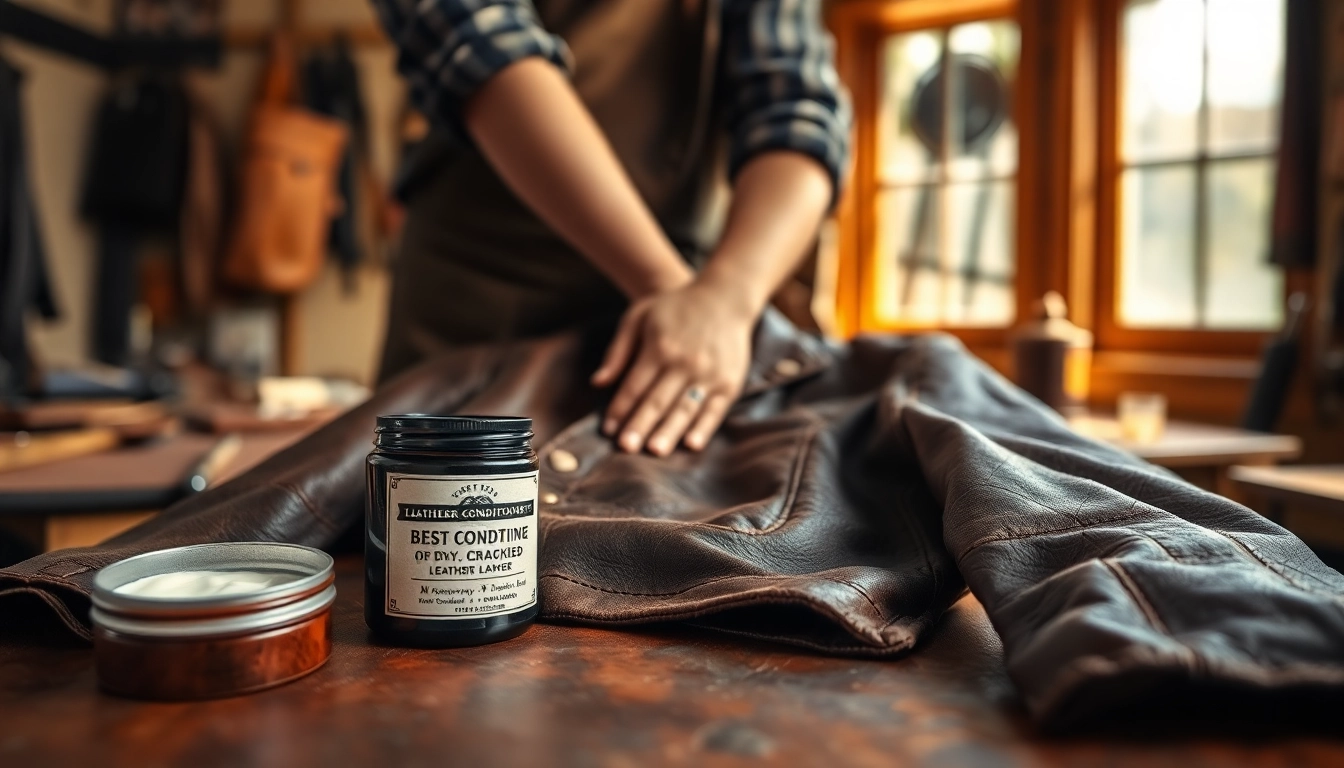
Understanding Leather Conditioners
What is a Leather Conditioner?
A leather conditioner is a specialized product designed to restore moisture, suppleness, and protection to leather goods. It’s typically formulated with natural oils, waxes, or synthetic alternatives that nourish the leather and extend its lifespan. Also, protect leather from drying out and cracking, keeping it looking vibrant and new.
Importance of Conditioning for Dry, Cracked Leather
Leather is a natural material that can dry out over time due to environmental factors like heat, humidity, and sunlight exposure. As leather loses its moisture, it becomes rigid and susceptible to cracks. Conditioning not only replenishes the lost moisture but also enhances the leather’s durability and resistance to damage. Regular application of the Best conditioner for dry, cracked leather is vital for maintaining the integrity and aesthetic appeal of leather items.
Key Ingredients to Look For
When selecting a leather conditioner, it’s important to consider the ingredients that contribute to its effectiveness. Some key components include:
- Natural Oils: Ingredients like neatsfoot oil, coconut oil, and mink oil penetrate deep into the leather fibers, providing nourishment and hydration.
- Waxes: Beeswax and carnauba wax create a protective barrier that repels water and dirt while giving a beautiful sheen.
- Butters: Shea butter and cocoa butter improve the softness and pliability of the leather.
- Vitamins: Vitamin E and other nutrients help strengthen the leather and restore its natural luster.
Identifying Dry and Cracked Leather
Signs of Dehydration in Leather
Recognizing the initial signs of dehydration in leather can help avoid more serious damage. Key indicators include:
- Rough Texture: The leather may feel dry and rough to the touch, lacking suppleness.
- Faded Color: The natural color may appear dull and lifeless.
- Cracks and Fissures: Visible cracks, particularly in stress areas, indicate significant dehydration.
Common Causes of Cracks in Leather
Several factors contribute to the deterioration of leather, leading to cracks:
- Environmental Conditions: Extreme temperatures and humidity changes can strip leather of essential oils.
- Poor Maintenance: Infrequent cleaning and conditioning lead to dryness and brittleness.
- Improper Storage: Storing leather in damp or excessively dry environments can cause damage.
When to Apply Conditioner
Conditioner should be applied whenever you notice signs of dehydration or whenever you clean your leather items as part of a regular maintenance routine. Additionally, it’s wise to condition leather before and after prolonged exposure to elements such as sun, rain, or during seasonal changes.
How to Use the Best Conditioner for Dry, Cracked Leather
Preparation Steps Before Conditioning
Proper preparation is crucial for effective conditioning. Follow these steps:
- Clean the Leather: Use a soft cloth to remove dirt and debris. A gentle leather cleaner can be used for deeper cleaning.
- Dry the Leather: Ensure the leather is completely dry before applying conditioner; damp leather can trap moisture and cause damage.
Applying Conditioner Effectively
To achieve optimal results, apply the conditioner as follows:
- Test First: Always do a patch test in a discreet area to ensure compatibility.
- Use a Soft Cloth: Apply a small amount of conditioner to a clean cloth or sponge.
- Work in Circles: Gently massage the conditioner into the leather using circular motions, ensuring even coverage.
- Allow to Absorb: Give the conditioner time to soak in, usually 15-30 minutes, depending on the product instructions.
Post-Conditioning Care Tips
After conditioning, follow these tips for optimal care:
- Buff the Surface: Use a clean, dry cloth to buff the leather, enhancing shine and removing any excess residue.
- Avoid Direct Sunlight: Keep conditioned items out of direct sunlight for at least 24 hours.
- Store Properly: Store leather items in breathable cotton bags or covers, away from excessive heat and moisture.
Top Recommendations for Leather Conditioners
Natural vs. Synthetic Options
When choosing a leather conditioner, you may opt for natural products made from plant-based oils and waxes or synthetic formulations often designed for specific applications. Natural conditioners tend to be gentler and eco-friendly, while synthetic options might offer enhanced protection against environmental factors. Ultimately, the choice depends on personal preference and the specific leather item in question.
Best Conditioner for Different Leather Types
Different types of leather require different care approaches. Here are some recommendations:
- Smooth Leather: Look for a rich, creamy conditioner that penetrates easily.
- Suede Leather: Opt for a suede-specific conditioner, as it must avoid oils that can ruin its texture.
- Fabric Leather: Use a specialized conditioner designed for fabric leather blends that won’t risk damaging the surface.
User Reviews and Recommendations
In addition to ingredient analysis and types, user reviews can provide valuable insight into the effectiveness of conditioners. Look for products that have high customer satisfaction ratings and positive feedback regarding their ability to restore dry and cracked leather.
Maintenance Tips for Leather Care
Regular Cleaning and Conditioning Schedule
Establishing a consistent cleaning and conditioning schedule can significantly extend the life of your leather items. A good rule of thumb is to clean and condition your leather at least once every 3-6 months, or more frequently for high-use items.
Storage Practices for Leather Items
Proper storage is essential for preserving leather. Avoid plastic bags; instead, choose natural materials like cotton for storage. Additionally, always keep leather items away from direct heat sources, and if storing for long periods, consider using a leather protector to help maintain moisture levels.
FAQs about Leather Care and Conditioning
1. How do you rehydrate cracked leather?
To rehydrate cracked leather, start by cleaning it with a gentle cleaner. Then, apply a quality leather conditioner, massaging it into the cracks to ensure thorough absorption, allowing it time to revitalize the leather.
2. How to rehydrate extremely dry leather?
To rehydrate extremely dry leather, submerge it in lukewarm water for a few minutes, then gently squeeze out excess moisture. Follow with a thorough application of a moisturizing leather conditioner.
3. Will leather conditioner fix cracks?
While leather conditioner can help minimize the appearance of light cracks by replenishing lost oils, deeper cracks may require additional treatment such as leather repair products for effective restoration.
4. How often should I condition my leather?
Condition your leather every 3-6 months, or more frequently if it’s exposed to harsh conditions, to keep it supple and hydrated, and prevent deterioration.
5. Can I use olive oil to condition leather?
While olive oil can provide some moisture to leather, it may also cause rancidity or attract dust. It’s safer to stick with specially formulated leather conditioners for best results.