Understanding the Importance of Cleaning a Loofah
While a loofah can be a beneficial addition to your bathing routine, it's essential to recognize that they can harbor bacteria and grime if not properly maintained. Knowing how to clean a loofah is vital for your skin health and overall hygiene. In this guide, we will explore the significance of loofah cleaning, methods for cleaning, drying techniques, alternative uses, and answer common questions related to loofah maintenance.
Why Clean Your Loofah Regularly?
Regularly cleaning your loofah is crucial for several reasons. First and foremost, loofahs are designed to exfoliate the skin, which means that they can accumulate dead skin cells, soap residues, and dirt over time. This buildup not only diminishes the effectiveness of the loofah but can also result in skin irritations if bacteria start to thrive in these layers.
Additionally, a clean loofah enhances your bathing experience. When bacteria and residues are removed, the loofah offers a more refreshing scrub that helps to invigorate the skin. Thus, maintaining cleanliness ensures you are getting the full benefits of your loofah while protecting your skin health.
Potential Risks of a Dirty Loofah
If not cleaned regularly, a dirty loofah can become a breeding ground for bacteria such as E. coli and other harmful pathogens. These microorganisms can thrive in the moist environment of a loofah, leading to potential skin infections, breakouts, or irritations. Additionally, residue buildup can cause body odor, which underscores the importance of routine cleaning. Regular maintenance of your loofah minimizes these risks, helping you maintain healthy skin.
Signs Your Loofah Needs Attention
It's essential to be vigilant about the signs indicating that your loofah needs cleaning. Some common indicators include:
- Unpleasant Odor: A sour or musty smell suggests bacteria are present.
- Visible Discoloration: Any color change, especially dark spots or mold, is a sign that your loofah requires immediate cleaning.
- Increased Shedding: If your loofah begins to shed fibers, it may be time for replacement, but before that, cleaning can prolong its life.
- Feeling Gritty: A gritty texture indicates that debris and dead skin are trapped within your loofah's fibers.
Best Methods on How to Clean a Loofah
Knowing effective methods for cleaning your loofah can promote better skin health and longevity of the loofah itself. Let's delve into some practical cleaning techniques.
Using Hot Water and Soap
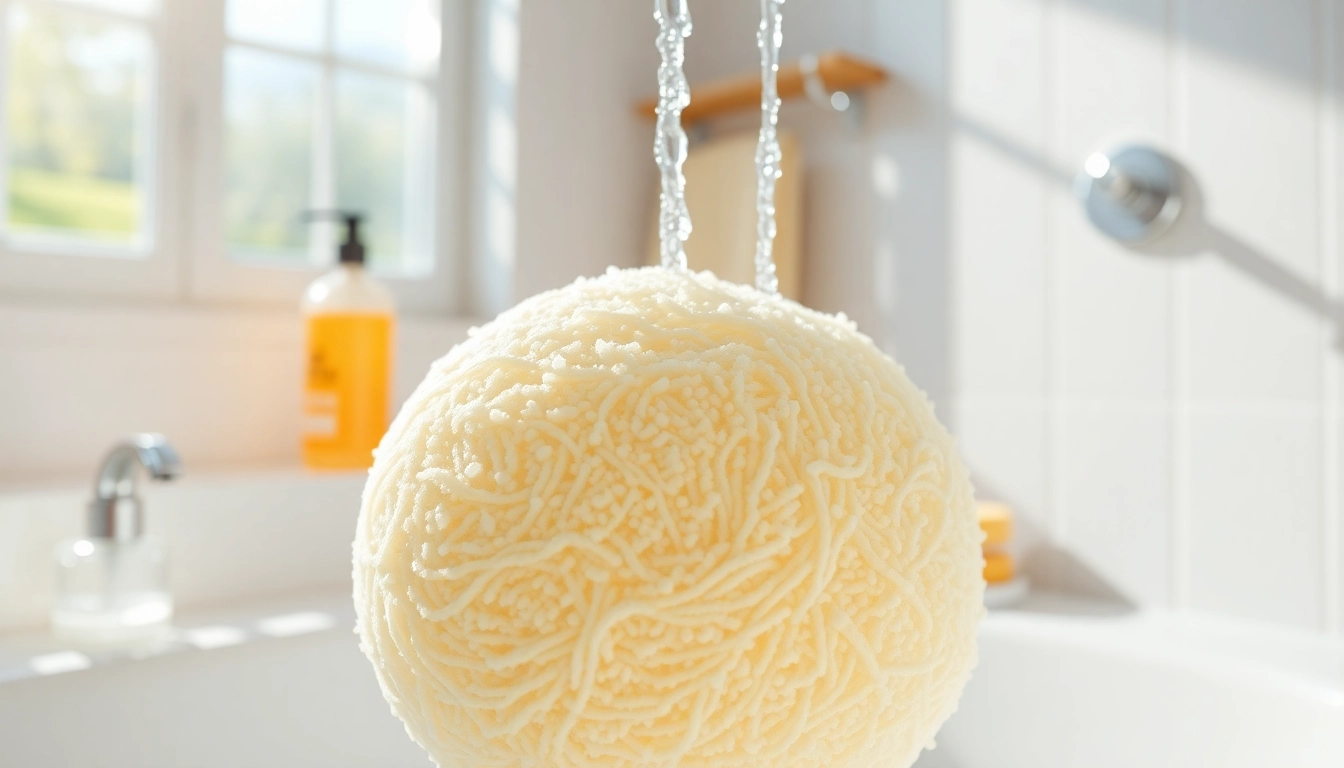
The simplest method for cleaning your loofah involves using hot water and soap. Here's how to do it:
- Rinse the loofah thoroughly under hot water to remove surface debris.
- Apply a mild liquid soap, preferably one without harsh chemicals or fragrances.
- Gently scrub the loofah to ensure that the soap penetrates the fibers.
- Rinse the loofah under hot water again to remove all soap residue.
- Wring it out gently and allow it to dry in a well-ventilated area.
Regularly using this method helps keep bacteria at bay, making it a straightforward solution to maintaining your loofah.
Soaking in Vinegar Solution
Vinegar is a natural disinfectant that can help sanitize your loofah effectively. Here's how to use it:
- Fill a basin with equal parts water and white vinegar.
- Submerge the loofah in the solution and let it soak for about 30 minutes.
- After soaking, scrub the loofah lightly to dislodge any remaining dirt.
- Rinse thoroughly under hot water to remove the vinegar scent.
- Wring it out and place it in a location to dry.
This method not only cleans the loofah but also helps neutralize any odors.
Utilizing Essential Oils for Disinfection
Incorporating essential oils can enhance the disinfection process while leaving your loofah with a pleasant aroma. Here’s a step-by-step guide:
- Prepare a mixture of warm water with a few drops of tea tree or lavender essential oil.
- Soak the loofah in the solution for approximately 15-20 minutes.
- Scrub the loofah gently to help distribute the oils, known for their antibacterial properties.
- Rinse under running water, ensuring that all oil residues are washed away.
- Allow the loofah to air dry completely.
Essential oils not only disinfect but also provide a refreshing scent that can elevate your bathing experience.
How to Dry a Loofah Properly
Proper drying is crucial in prolonging the life of your loofah and preventing bacterial growth. Let’s explore effective drying techniques and storage practices.
Techniques for Effective Drying
After cleaning, the drying process is vital. To ensure your loofah dries effectively:
- Place in a Sunlit Area: Sunlight can naturally kill bacteria, so hanging your loofah in a sunny spot can be beneficial.
- Use a Towel: Gently patting your loofah with a towel can help remove excess water before air drying.
- Avoid Sealed Environments: Never store a damp loofah in a closed container or bag; instead, ensure it's exposed to airflow.
Best Storage Practices
To maintain your loofah's cleanliness, adopting the right storage practices is essential. Here are some tips:
- Hanging Storage: Use a hook or shower caddy to hang your loofah securely. This allows for air circulation and prevents moisture from becoming trapped.
- Avoid Mixing: Don’t store your loofah with other bathing items that may retain moisture, as this can lead to faster bacterial growth.
- Use a Mesh Bag: A breathable mesh bag can keep your loofah in a clean space and further aids drying.
Signs of Uncleanliness After Cleaning
Even after cleaning, it’s important to be aware of residual indicators that your loofah may still be unclean. Here are some signs to check for:
- Lingering Odors: If your loofah smells off after cleaning, it may not be adequately disinfected.
- Stains or Discoloration: Any visible stains that remain are a sign that cleaning wasn’t thorough.
- Texture Change: An abnormal texture may indicate that bacteria or mold are still present.
Addressing these signs promptly will help maintain hygiene and prolong the life of your loofah.
Alternative Uses for Old Loofahs
When your loofah has reached the end of its life for bathing, consider alternative uses that can give it a second life. Here are some creative ideas:
Creative DIY Projects
Old loofahs can be transformed into unique DIY projects, such as:
- Handmade Soap Holders: Use a loofah to create a natural soap holder to let your soap dry between uses.
- Scrubbers for Cleaning: Cut loofahs into smaller pieces for scrubbing pots, pans, and outdoor furniture.
Repurposing for Gardening
Loofahs can serve as valuable tools in gardening. Consider the following uses:
- Weed Control: Place pieces of loofah fabric around plants to suppress weed growth and retain moisture.
- Plant Support: A loofah can be used to provide support for climbing plants or seedlings by tying them to trellises.
Using in Home Décor
Incorporate loofahs into home décor for a rustic touch; here’s how:
- Wreaths and Arrangements: Integrate dried loofahs into seasonal wreaths for a natural element.
- Crafts for Children: Use loofahs as the base for creating fun craft items, such as animal shapes or decorations.
FAQs about Cleaning a Loofah
How often should I clean my loofah?
Clean your loofah every 2-3 weeks to prevent bacteria buildup and ensure your skin stays healthy.
Can I microwave my loofah to disinfect it?
Yes, microwaving a wet loofah for one minute can help kill bacteria while ensuring it is clean.
What natural solutions can I use to clean my loofah?
Vinegar and baking soda are effective natural cleaning agents that can eliminate dirt and bacteria.
Should I replace my loofah regularly?
Yes, replace your loofah every 3-4 weeks or sooner if it shows damage to maintain skin hygiene.
Can I wash my loofah in the washing machine?
Yes, placing your loofah in a mesh bag and washing it on a gentle cycle can effectively clean it.