Understanding British Pond Plants
British pond plants are essential elements of aquatic ecosystems, providing habitat, food, and natural filtration for numerous species. When exploring options, British Pond Plants offer a variety of ecological benefits while enhancing the beauty and health of garden ponds. Understanding the characteristics and requirements of these native plants is crucial for pond owners looking to create a thriving aquatic environment.
What Are British Pond Plants?
British pond plants are native flora that grow in or around freshwater bodies across the United Kingdom. These species range from submerged plants, which live entirely underwater, to emergent plants that flourish partially above the water's surface. The diversity of British pond plants includes oxygenators, floaters, and marginal plants, each playing a unique role in the ecosystem.
Benefits of Incorporating Native Plants
Utilizing native plants in pond landscaping is beneficial for several reasons:
- Ecological Balance: Native plants are adapted to local climates and ecosystems, supporting local wildlife, including fish, amphibians, and beneficial insects.
- Water Quality Improvement: Many British pond plants aid in filtering pollutants and nutrients from water, helping maintain a healthy pond environment.
- Reduced Maintenance: Native plants generally require less care than non-native species, as they are more resilient to local pests and diseases.
Common Types of British Pond Plants
Some of the most common types of British pond plants include:
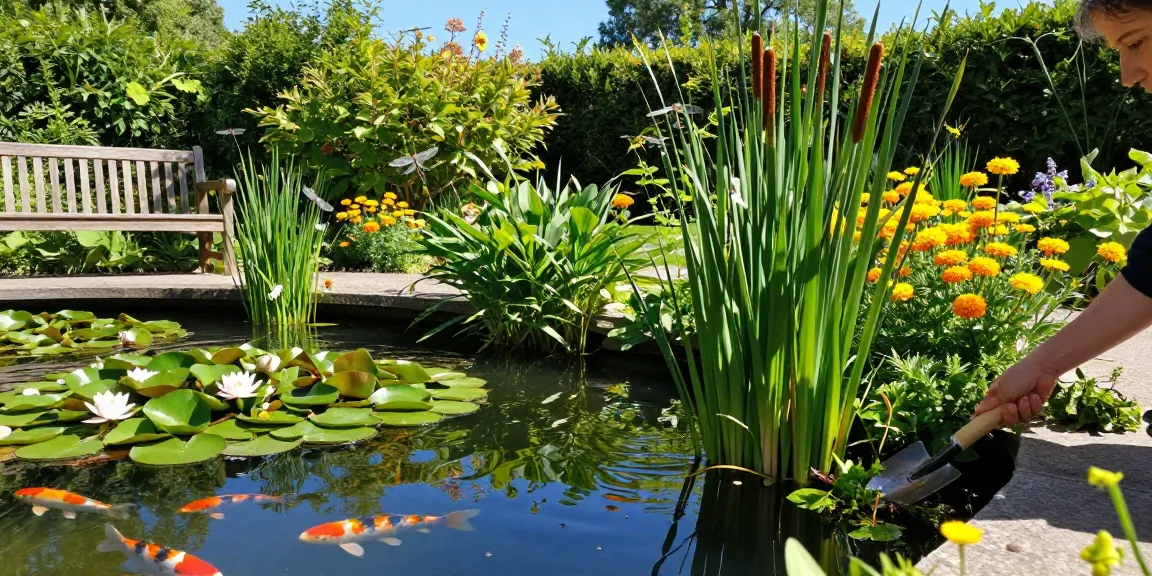
- Water Lily (Nymphaea): This iconic pond plant is known for its stunning flowers and broad leaves that provide shade and shelter for aquatic life.
- Rushes (Juncus): These grass-like plants thrive in shallow waters and wetland margins, offering habitat for various wildlife.
- Marsh Marigold (Caltha palustris): Known for its bright yellow flowers, this plant prefers boggy areas and provides early-season blooms for pollinators.
- Hornwort (Ceratophyllum demersum): An oxygenating plant that submerges completely underwater, hornwort aids in maintaining clear water quality.
Identifying Dangerous Pond Plants
While many pond plants benefit the ecosystem, some can be toxic or invasive, posing risks to wildlife and plant enthusiasts alike. Understanding how to identify these dangerous species is critical for maintaining a safe pond environment.
Common Toxicities in British Pond Plants
Several British pond plants contain toxic compounds that can be harmful to both humans and animals:
- Water Hemlock (Cicuta virosa): Highly toxic, this plant can cause severe poisoning if ingested, leading to respiratory failure in both herbivores and humans.
- Foxglove (Digitalis purpurea): While found in damp areas, all parts of this plant are toxic and can cause heart problems if consumed.
- Buttercups (Ranunculus): Certain species contain toxins that can irritate the skin and digestive systems of animals.
Recognizing Invasive Species
Invasive pond plants can outcompete native species and disrupt local ecosystems. Some common invasive species include:
- Canadian Waterweed (Elodea canadensis): This fast-growing plant can quickly dominate ponds, choking out native flora and altering habitats.
- Floating Pennywort (Hydrocotyle ranunculoides): Known for its thick mat of growth, it can block sunlight and reduce oxygen levels in the water.
Symptoms of Poisoning from Pond Plants
Recognizing the signs of poisoning from toxic pond plants can save lives. Symptoms may include:
- Nausea, vomiting, and stomach pain
- Confusion or disorientation
- In severe cases, difficulty breathing or paralysis
Best Practices for Pond Plant Management
To maintain a healthy and vibrant pond, following best practices for plant management is essential. These strategies help promote growth, improve water quality, and prevent the spread of invasive species.
Planting Techniques for Healthy Growth
Using the right planting techniques can significantly influence the success of pond plants. Here are some tips:
- Proper Depth: Ensure that each plant is placed at its recommended water depth to promote optimal growth.
- Spacing: Adequate spacing reduces competition for light and nutrients, allowing each plant to thrive.
- Soil Quality: Use nutrient-rich substrates to enhance the growth of rooted plants.
Maintaining Water Quality for Pond Plants
Regular monitoring and maintenance of water quality are crucial for the health of pond plants:
- Test for pH levels, oxygen content, and nutrient levels regularly.
- Implement filtration systems or natural aeration methods to keep water clear and well-oxygenated.
- Control algae growth by managing nutrient input and planting the right combinations of vegetation.
Strategies for Managing Invasive Plants
Control measures are vital for preventing invasive plants from taking over:
- Regular Inspections: Routinely check for invasive species and remove them promptly to prevent spread.
- Physical Removal: Hand-pulling and cutting back invasive plants can be effective, particularly in smaller ponds.
- Biological Control: Consider introducing natural predators of invasive species where feasible and ecologically appropriate.
Creating a Safe and Inviting Pond Environment
A well-designed pond not only enhances aesthetic appeal but also creates a sanctuary for wildlife. Integrating native plants plays a significant role in this process.
Choosing the Right Plants for Local Wildlife
Selecting appropriate vegetation ensures that the pond supports local fauna:
- Pollinators: Include plants with blooms that attract bees and butterflies.
- Birds: Incorporate reeds and bulrushes to provide nesting sites and food sources for various bird species.
- Fish and Amphibians: Choose submerged and floating plants to provide shelter and spawning grounds.
Designing Your Pond for Aesthetic Appeal
Creating a visually appealing pond involves careful design consideration:
- Layering Plants: Use varying heights and textures by incorporating a mix of submerged, emergent, and floating plants.
- Natural Landscaping: Edge the pond with natural stones and native grasses to blend the pond into the surrounding landscape.
Educational Resources for Pond Enthusiasts
Resources such as local gardening groups, online forums, and educational workshops can help pond owners enhance their knowledge and skills. Engaging with fellow enthusiasts and experts fosters a community dedicated to the appreciation and management of aquatic ecosystems.
Future Trends in Pond Plant Care
The landscape of pond gardening is continually evolving. Keeping abreast of emerging trends ensures that pond enthusiasts can adapt and thrive in changing environments.
Innovative Approaches to Pond Gardening in 2026
As technology and ecological knowledge develop, new approaches to pond gardening are emerging:
- Smart Monitoring: Utilizing technology for real-time monitoring of water quality and plant health.
- Eco-Friendly Practices: Emphasizing organic gardening techniques and sustainable practices to support biodiversity.
Impact of Climate Change on Pond Ecosystems
Climate change poses serious challenges to aquatic ecosystems, affecting water levels, temperatures, and species distribution. Adaptation strategies may include:
- Choosing climate-resilient plant species
- Implementing water conservation measures
Expert Predictions for Aquatic Plant Management
Experts predict that a focus on sustainable practices and biodiversity will shape the future of aquatic plant management. Emphasizing native plants can enhance ecological balance while offering gardening enjoyment.
What Are the Common Risks of Pond Plant Gardening?
While cultivating pond plants brings joy, it is essential to recognize potential risks, including:
- Invasive species taking over native plants
- Water quality degradation
- Pest infestations affecting plant health
How Can I Best Care for My British Pond Plants?
To ensure healthy growth and sustainability, consider these tips:
- Regularly check water conditions and adjust as necessary.
- Fertilize responsibly to avoid nutrient overload in the pond.
- Prune and deadhead plants to encourage new growth.
What Should I Do if My Pet Ingests Pond Plants?
If you suspect that your pet has ingested toxic pond plants, contact a veterinarian immediately. Provide them with details about the suspected species and symptoms observed.
How to Identify if Pond Plants Are Safe for Consumption?
Before consuming any plants from your pond, consult a reliable guide or expert to confirm their safety. Avoid consuming any plant unless you are fully confident in its edibility.
Are There Any Regulations Regarding Aquatic Plants?
Some regulations may govern the cultivation and management of aquatic plants, especially concerning invasive species. Always check local environmental guidelines and laws to ensure compliance.