Understanding Custom Laser Design
What is Custom Laser Design?
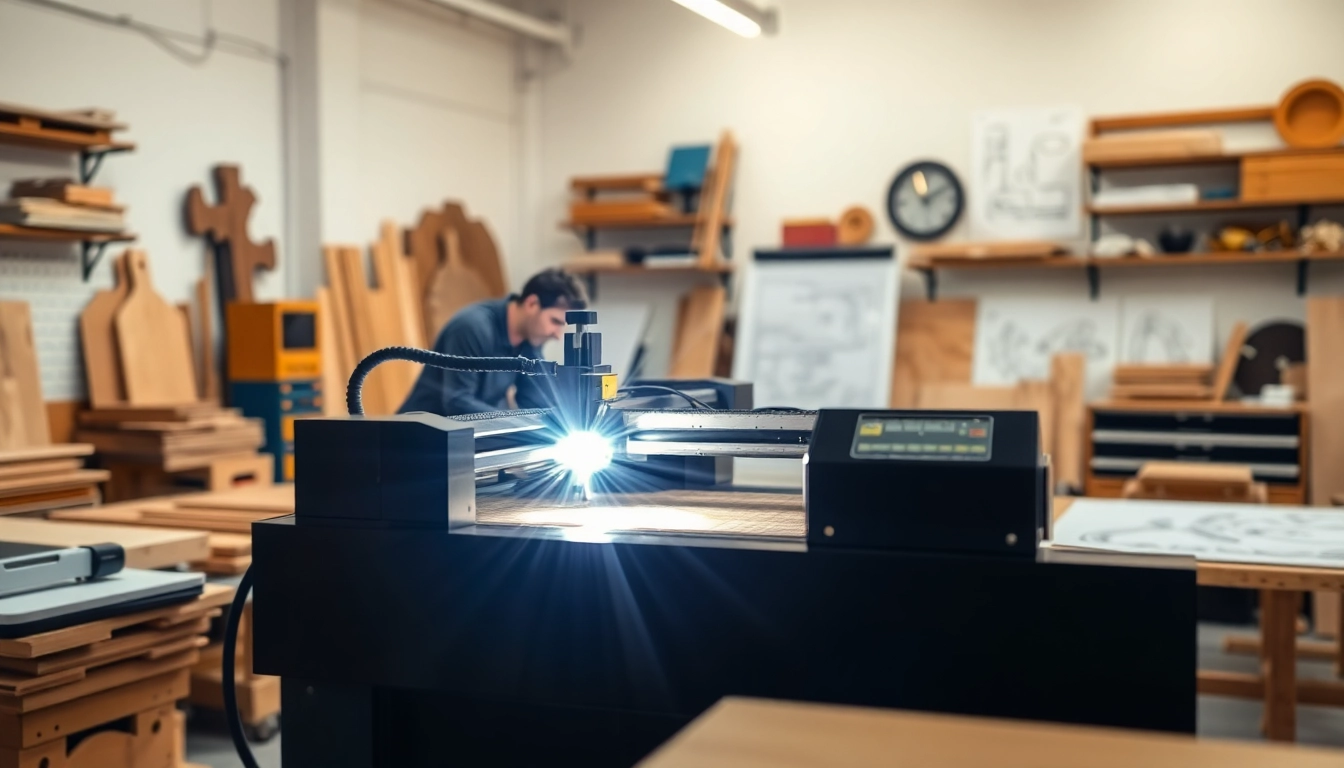
Custom laser design refers to the process of using lasers to cut, engrave, or mark various materials according to specific designs or patterns. This technology is celebrated for its precision and versatility across numerous industries. Unlike traditional manufacturing methods that often involve significant waste or manual labor, custom laser design allows for rapid production of intricate and precise engravings, significantly reducing errors and enhancing creativity.
The beauty of custom laser design lies in its capability to produce unique items based on client specifications. It can transform ideas into tangible products through digital design files, enabling endless possibilities for customization.
Applications of Custom Laser Design
Custom laser design has found applications in several fields including but not limited to:
- Jewelry Making: Craftsmen use laser technology to create intricate designs on metal surfaces, allowing for personalized items.
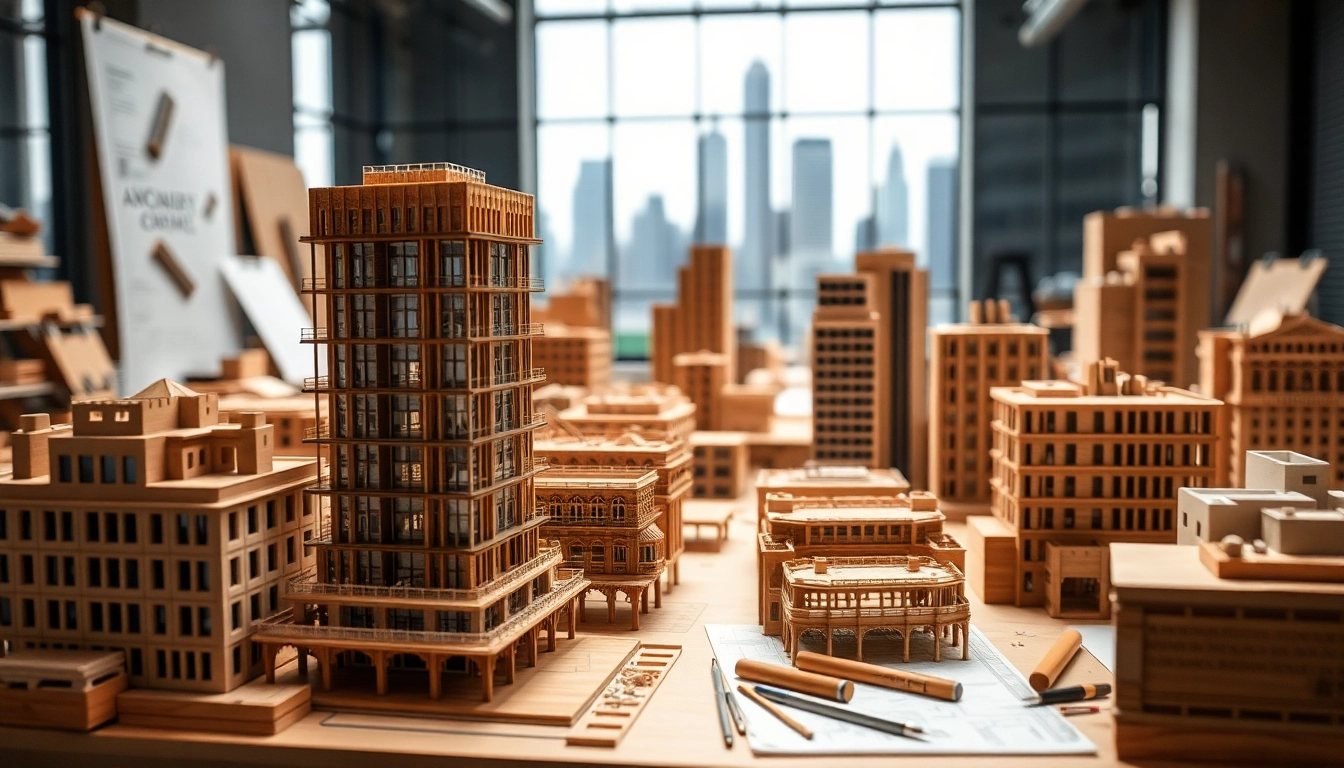
- Architecture: Architects utilize laser-cut materials for architectural models, creating detailed prototypes that accurately represent their vision.
- Signage: Businesses commonly employ laser engraving for creating signs, allowing for unique branding opportunities with precise details.
- Art and Decor: Artists leverage custom laser design to create unique art pieces from various materials, expanding their creative expression.
- Industrial Applications: From prototype development to batch production, custom laser cutting is also integral in manufacturing operations.
Technologies Behind Laser Cutting
The technology behind laser cutting and engraving involves highly focused beams of light that can cut through materials at incredibly high speeds. The key technologies include:
- CO2 Lasers: Ideal for cutting non-metallic materials such as wood, acrylic, and glass.
- Fiber Lasers: More efficient for cutting metals and provide faster speeds along with greater accuracy.
- Diode Lasers: Compact and cost-effective, suitable for lighter applications such as engraving.
Each technology has its own benefits and optimal use cases, making it vital for businesses to choose the appropriate one based on their specific needs.
Choosing Materials for Custom Laser Design
Best Materials for Laser Engraving
When selecting materials for laser engraving and cutting, certain qualities must be considered. Common materials include:
- Wood: Ideal for its natural aesthetic and ease of engraving, popular in making decorations and gifts.
- Acrylic: Offers vibrant colors and can simulate glass, making it a favorite for signage.
- Metal: Provides durability for products that require longevity; steel and aluminum are frequently used.
- Glass: Engraving on glass creates stunning visual effects and is often used for awards and personalized gifts.
Considerations When Selecting Material
When choosing materials for your custom laser design projects, consider the following factors:
- Material Thickness: Thicker materials require different laser settings and can impact the overall design outcome.
- Engraving Depth: Understanding how deep the laser should engrave can influence the kind of material chosen.
- Finish and Texture: Some materials are more suitable for surface finishes, which can affect the final product.
- Cost: Budget constraints may dictate what materials can be used, balancing quality and expense.
Safeguarding Material Quality
For ensuring optimal results in custom laser design projects, safeguarding material quality is essential. Here are practical steps to take:
- Store Materials Properly: Store your materials in controlled environments to prevent warping or damage.
- Inspect Before Use: Always check materials for defects or inconsistencies that could affect the engraving process.
- Conduct Test Cuts: Performing test segments can aid in identifying how the material reacts to the laser before final production.
Creating Your Own Custom Laser Design
Essential Design Software Tools
A variety of software tools are available to help create designs suitable for laser cutting:
- Adobe Illustrator: Highly favored in the industry for vector designs that easily translate to laser cutting files.
- CorelDRAW: Another popular choice, especially among sign makers, for its user-friendly interface.
- Inkscape: A free, open-source alternative that provides many features useful for laser design.
- Autodesk AutoCAD: Frequently utilized in engineering and architectural designs for precision measurements.
Steps to Create a Custom Design
Follow these steps to develop your custom laser design:
- Brainstorm Ideas: Outline what you want your design to accomplish and jot down initial ideas.
- Create a Digital Sketch: Use your chosen software to outline the basic shape or structure of your design.
- Refine Your Design: Add details, adjust dimensions, and ensure the design is suitable for lasering.
- Export the Design File: Save your work in a format compatible with laser cutting machines (e.g., SVG, DXF).
Testing Your Designs Before Production
The testing phase is crucial in ensuring the final product meets your expectations. This process includes:
- Conducting test engravings on scrap materials to evaluate design aesthetics and laser settings.
- Analyzing the results to make necessary adjustments, ensuring the final design achieves the desired outcome.
- Collecting feedback from peers for further refinement before finalizing the design.
Best Practices for Custom Laser Design Projects
Precision Techniques to Enhance Outcomes
To maximize the quality of your customs laser design, consider implementing these precision techniques:
- Use High-Quality Vectors: Ensure your digital designs use high-resolution images and vector graphics for cleaner cuts.
- Optimize Speed and Power Settings: Adjust laser machine settings depending on material thickness and type to enhance engraving precision.
- Monitor Temperature: Avoid overheating by maintaining optimal temperature settings to prevent material damage.
Avoiding Common Mistakes
Many pitfalls exist in custom laser design projects; avoiding them can lead to better outcomes:
- Failing to conduct thorough pre-production tests can lead to inefficient material use.
- Not considering kerf width can cause designs to fit poorly together post-cutting.
- Neglecting safety measures during the operation of laser machines can pose hazards in the workplace.
Gathering Feedback for Improvement
Feedback is essential in this creative process. Actively obtaining and implementing suggestions can improve future projects:
- Engage stakeholders, clients, or peers in reviewing your designs and prototypes.
- Utilize surveys or direct interviews to gather constructive criticism.
- Incorporate feedback into your next designs to achieve better client satisfaction and enhanced product quality.
Future Trends in Custom Laser Design
Advancements in Laser Technology
The experience of custom laser design is continuously evolving with advancements in technology. Expect to see:
- Faster Laser Cutting: As technology progresses, laser cutting speeds will increase, allowing for higher productivity.
- More Efficient Energy Use: Newer models are being designed to waste less energy, making them more environmentally friendly.
- Improved Software Integration: More intuitive software platforms will emerge, providing better user experiences in design creation.
Sustainable Practices in Laser Design
As environmental concerns rise, sustainable practices in custom laser design are gaining traction. Businesses are expected to:
- Utilize eco-friendly materials that can be easily sourced and recycled.
- Adopt practices that reduce the carbon footprint associated with the laser cutting process.
- Incorporate waste reduction techniques to maximize material efficiency.
Innovative Use Cases on the Rise
New applications for custom laser design are emerging daily. Some innovative trends include:
- Customized Home Decor: Personalized items tailored to individual preferences are at the forefront of market demands.
- Smart Laser Systems: Integration with IoT technology, allowing remote operations and maintenance of machines.
- Educational Tools: Use of laser-cut materials in educational settings to enhance hands-on learning experiences.
Frequently Asked Questions
1. How to get designs for laser engraving?
Design Bundles offer high-quality designs for engraving. Their free SVG resources are great for crafting unique items.
2. How do I convert a picture for laser engraving?
Select a high-resolution picture, convert it to grayscale, and adjust the exposure and contrast for better results.
3. What materials can be used for laser engraving?
Materials such as wood, acrylic, glass, and metals are commonly used due to their compatibility with laser technology.
4. Do I need special software for creating laser designs?
Yes, specialized software like Adobe Illustrator, CorelDRAW, or Inkscape is recommended for designing laser cut files.
5. Can I engrave photographs using lasers?
Yes, photographs can be engraved, but they require specific preparations such as editing and converting to an appropriate format.