
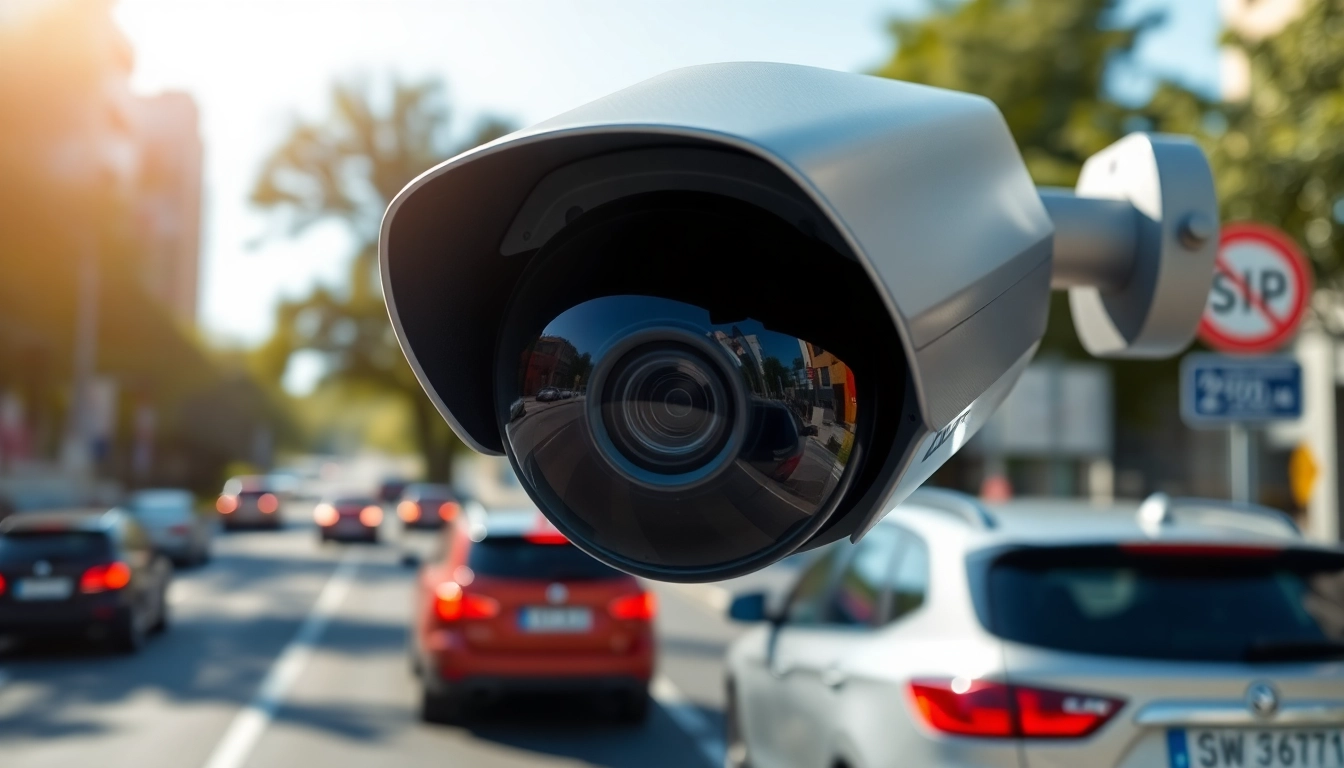
Understanding License Plate Recognition Technology
What is a License Plate Recognition Camera?
A license plate recognition camera (LPR camera) is an advanced surveillance technology designed specifically to capture and interpret the alphanumeric characters displayed on license plates. These cameras are essential tools for law enforcement, parking management, and security systems, enabling automatic vehicle identification. Unlike standard security cameras, license plate recognition cameras are equipped with specialized software that can process images at high speed and with impressive accuracy, ensuring reliable readings under various conditions.
How Does License Plate Recognition Work?
The operation of a license plate recognition camera begins with image acquisition. The camera captures live footage of passing vehicles, utilizing high-resolution imaging sensors. The integrated software processes these images in real-time to identify and extract the license plate data. The recognition process generally involves three key steps: image preprocessing, character segmentation, and optical character recognition (OCR). During preprocessing, the image is enhanced for clarity; segmentation separates the individual characters; finally, OCR translates these characters into readable format.
Key Features of License Plate Recognition Cameras
- High Resolution: The ability to capture images in high detail is crucial for accurate recognition, especially when recording fast-moving vehicles.
- Infrared Illumination: Many LPR cameras are equipped with infrared technology that enables them to capture license plates in low-light conditions.
- Real-time Processing: LPR systems can analyze images instantly, providing immediate alerts and reporting capabilities.
- Data Management: Advanced storing capabilities allow for efficient data handling and retrieval for law enforcement or administrative purposes.
- Integration Capabilities: Seamless incorporation with other security systems enhances overall efficacy.
Benefits of Using License Plate Recognition Cameras
Enhancing Security and Surveillance
The deployment of license plate recognition cameras significantly bolsters security measures across various settings, including commercial, residential, and public areas. By providing immediate alerts for flagged vehicles or unauthorized entries, security personnel can respond proactively to potential threats. Additionally, LPR technology aids in tracking stolen vehicles and monitoring suspicious activities, greatly enhancing public safety.
Streamlining Operations with License Plate Recognition
In corporate and municipal settings, the efficiency of operations is greatly improved through the automation provided by license plate recognition cameras. For instance, these cameras help in managing parking lots by monitoring the flow of vehicles, assessing the duration of parking, and facilitating automated billing systems. This not only maximizes revenue for parking facilities but also enhances customer satisfaction by providing smooth and quick service.
Improving Traffic Management
License plate recognition cameras play a vital role in smart city initiatives by contributing to effective traffic management strategies. They assist in monitoring traffic patterns, analyzing congestion spots, and providing data for urban planning. Moreover, tracking the moving patterns of vehicles can help law enforcement agencies respond swiftly to incidents, ensuring better overall road safety.
Factors to Consider When Selecting a License Plate Recognition Camera
Image Quality and Resolution
When choosing a license plate recognition camera, image quality is paramount. High resolution is necessary to capture clear images even in poor lighting or at high speeds. Cameras with a minimum resolution of 1080p are generally recommended as they provide the necessary detail for accurate reading.
Operating Conditions: Day and Night Performance
Evaluating the operating conditions is essential for effective LPR camera selection. Cameras designed for varied environmental conditions should include infrared capabilities to ensure optimal performance during nighttime or low-light situations. Additionally, weatherproof designs can withstand different climatic conditions, enhancing longevity and reliability.
Integration with Existing Systems
Ensure that the chosen license plate recognition camera can easily integrate with current security systems, whether they are CCTV networks, access control systems, or cloud-based databases. This compatibility maximizes efficiency and enhances the value derived from the investment in surveillance technology.
Installation and Maintenance Best Practices
Choosing the Right Location for Installation
The effectiveness of license plate recognition cameras is significantly influenced by their placement. Optimal locations include entry points, high-traffic areas, and zones requiring monitoring. Factors such as camera angles, distance to the roadway, and potential obstructions should be critically analyzed during installation to guarantee unobstructed views and ideal recognition capabilities.
Regular Maintenance Tips for License Plate Recognition Cameras
Regular maintenance is critical to ensure the reliability and operational efficiency of license plate recognition cameras. Key practices include cleaning camera lenses, checking connectivity, and updating software periodically to incorporate security patches and enhance functionality. Additionally, routine performance assessments aid in identifying and rectifying potential issues before they escalate.
Troubleshooting Common Issues
Even the most advanced license plate recognition cameras may encounter challenges. Common issues include poor recognition rates and connectivity problems. For troubleshooting, verify that the camera lens is clean, check power and network connections, and ensure software is up to date. In addition, assessment of environmental factors, such as excessive glare or shadows, can aid in resolving recognition failures.
Future Trends in License Plate Recognition Technology
Advancements in AI and Machine Learning
The integration of artificial intelligence and machine learning is set to revolutionize license plate recognition technology. These advancements promise not only improved accuracy and speed but also the ability to adapt and learn from vast datasets, thereby enhancing overall recognition capabilities and reducing error rates.
Integration with Smart City Initiatives
As urban landscapes evolve, the integration of license plate recognition cameras into smart city frameworks is becoming increasingly crucial. Real-time data collection and analytics can aid municipalities in enhancing public safety, traffic flow, and urban infrastructure development, thus fostering a more connected and efficient urban experience.
Potential Legal and Ethical Considerations
With the growing reliance on license plate recognition technology, legal and ethical considerations must be taken into account. Concerns related to privacy, data storage, and surveillance practices challenge developers and users to establish clear guidelines that balance security benefits with individual rights. Ongoing discussions surrounding these issues will shape the future landscape of LPR technology.
Frequently Asked Questions
What types of license plates can LPR cameras read?
License plate recognition cameras can generally read various types of plates, including standard civilian, commercial, temporary, and specialty plates, assuming the plate’s characters are sufficiently clear.
Can LPR cameras function in low-light conditions?
Yes, many modern license plate recognition cameras are equipped with infrared illumination, allowing them to effectively capture plate images even in complete darkness.
How often do I need to maintain my license plate recognition camera?
Regular maintenance, including cleaning lenses and checking for software updates, should ideally be performed quarterly to ensure optimal performance and reliability.
Are license plate recognition cameras legal to use?
Yes, license plate recognition cameras are legal in many places, although their use is subject to state and local regulations concerning privacy and data management that must be adhered to.
Can LPR technology integrate with other security systems?
Absolutely! License plate recognition technology can seamlessly integrate with various security systems, including CCTV networks and access control platforms, enhancing overall security effectiveness.