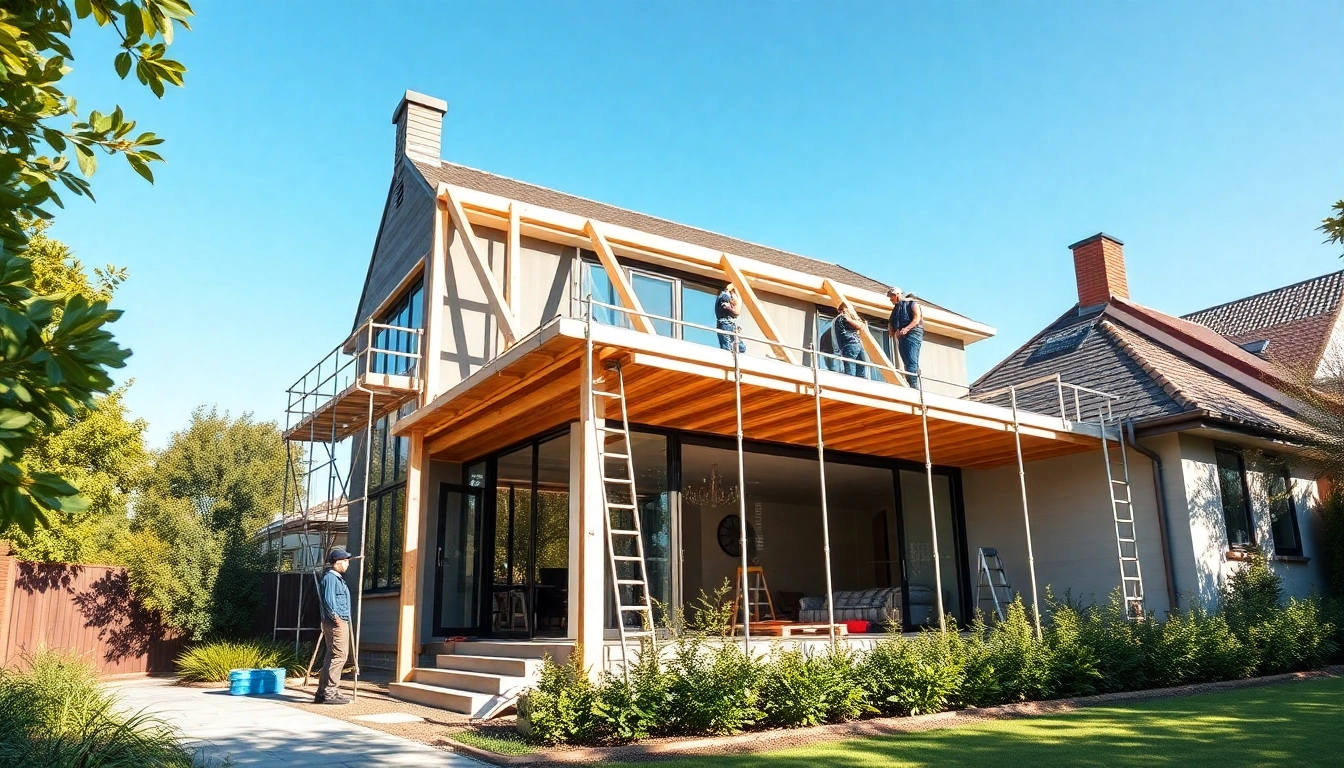

Understanding Colonial Home New Build Construction
Constructing a colonial home combines tradition with modern needs, reflecting a rich architectural heritage. These homes often embody grace and charm, alongside practical functionality tailored for contemporary lifestyles. For those interested in embarking on this journey of colonial home new build construction, understanding the key characteristics, history, and aesthetic preferences is pivotal.
Key Features of Colonial Architecture
Colonial architecture is distinguished by specific traits that ensure timeless appeal. Common attributes include:
- Symmetrical Design: Colonial homes typically feature a symmetrical layout, often with a centrally placed door and evenly spaced windows.
- Gabled Roofs: These homes often have steep, gabled roofs that add to the overall grandeur.
- Classic Facades: Brick, wood, and stone facades characterize colonial homes, giving them a solid, traditional appearance.
- Front Porches: Most colonial designs include expansive front porches, enhancing curb appeal.
- Authentic Materials: Traditional materials such as wood and brick ensure durability and aesthetic integrity.
Understanding these elements is essential not merely for aesthetic purposes but also for ensuring structural integrity and compliance with local building codes.
Historical Significance and Evolution
The significance of colonial architecture lies deeply rooted in America’s history, drawing influences from various European styles, especially English, Spanish, and Dutch designs. Evolving over centuries, colonial homes adapted to the changing needs and technologies of their time while retaining core elements. Each colonial substyle, whether Georgian, Federal, or Cape Cod, reflects a specific period and geographical location, making them a rich area of study for history enthusiasts and architects alike.
In the early days, colonial homes were functional, designed to withstand the harsh conditions and environment of the New World. As time progressed, aesthetics began to play a larger role, enhancing their historical value and appeal. The blend of practicality and elegance makes colonial homes attractive for new builds today.
Modern Interpretations of Colonial Homes
Modern interpretations of colonial home designs often embrace traditional elements while integrating modern conveniences. Features like open floor plans, high ceilings, and energy-efficient appliances are becoming commonplace. Architects and homeowners are increasingly incorporating sustainable materials and technologies, ensuring that these homes are not only beautiful but also eco-friendly.
Innovations in construction methods have also enabled builders to create colonial-style homes that can withstand climate challenges, thereby preserving their elegance and functionality for years to come. Features like recycled materials and enhanced insulation align with contemporary values, offering a bridge between the past and present.
Planning Your Colonial Home New Build Construction
Essential Pre-Construction Considerations
Planning a colonial home new build requires careful thought and preparation. Consider these essential factors:
- Budget: Assess your financial capacity, considering costs for materials, design, labor, and unexpected expenses.
- Design Approval: Depending on local regulations, ensure that your design complies with zoning laws and HOA guidelines.
- Timeline: Establish a realistic timeline for various phases of construction, understanding that delays can occur.
Proper preparation can minimize headaches and lead to a smoother building process, allowing for a beautiful final product that meets your expectations.
Choosing the Right Location and Lot
The location of your colonial home can greatly influence its value and your living experience. Consider the following when selecting your lot:
- Neighborhood: Research the area, looking for communities that fit your lifestyle and demographic preferences.
- Accessibility: Ensure easy access to schools, public transportation, and major roads, enhancing convenience.
- Natural Features: Look for lots that boast scenic views, abundant trees, or rivers, which can enhance the attractiveness of your future home.
Choosing an ideal lot not only enhances your quality of life but also adds long-term value to your property.
Working with Architects and Designers
Collaboration with experienced architects and designers is crucial for bringing your vision to life. Ensure they understand:
- Your aesthetic preferences and functional needs.
- The historical aspects of colonial design that you wish to incorporate.
- Sustainable practices if you are committed to energy efficiency.
Effective communication with your design team can lead to innovative solutions that respect colonial tradition while introducing modern convenience, ensuring that your home is beautiful, functional, and built to last.
Materials and Techniques for Construction
Best Materials for Colonial Home New Builds
Selecting the right materials is essential for achieving the look and feel of a traditional colonial home while ensuring modern-day durability. Quality choices include:
- Wood: Commonly used for framing and siding, wood provides warmth and is customizable.
- Brick: Known for its durability and timeless appearance, brick is often used in exteriors.
- Stone: Stone offers a strong aesthetic presence and can be employed as an accent in various ways.
Choosing high-quality, authentic materials not only enhances your home’s visual appeal but also contributes to its longevity.
Construction Techniques to Consider
Various construction techniques can help you better realize your colonial building goals:
- Frame vs. Masonry: The traditional framing method offers flexibility in design, while masonry provides durability and stability.
- Modern Insulation: Incorporating advanced insulation techniques keeps energy costs down and maintains comfort.
- Smart Home Technology: Integrating smart technology can increase efficiency and convenience.
By carefully considering construction techniques, you can enhance your home’s structural integrity while ensuring a modern living experience.
Eco-friendly Options for Modern Builds
Incorporating eco-friendly practices during your colonial home new build construction can significantly reduce its environmental impact:
- Sustainable Materials: Opt for reclaimed wood and low-VOC paints to minimize ecological footprints.
- Energy-efficient Windows: Install triple-pane windows to maximize insulation and natural light.
- Renewable Energy Systems: Consider solar panel installations to harness clean, renewable energy.
Implementing eco-friendly options leads to long-term savings and demonstrates a commitment to sustainability.
Interior Design for Colonial Homes
Classic Interior Features
The interiors of colonial homes often reflect historical elegance with features such as:
- Hardwood Floors: Wooden flooring remains a classic choice, with various finishes to suit personal style.
- Fireplaces: Central fireplaces create a focal point, often designed with ornate mantels.
- Traditional Moldings: Crown moldings and baseboards enhance the architectural detail and richness of the interior.
Utilizing these elements helps to preserve the historical essence of colonial homes while allowing for personal touches.
Creating Functional Spaces
The challenge in colonial home design is merging tradition with functionality. When designing spaces, consider:
- Open Floor Plans: Combining kitchen and living areas can facilitate family interaction.
- Multiple Living Zones: Creating various spaces for different activities enhances usability.
- Adaptable Spaces: Design rooms that can serve multiple purposes over time.
Functionality does not have to compromise aesthetics; careful planning can create spaces that are both usable and beautiful.
Decorating Ideas that Enhance Colonial Style
Styling your colonial home can enhance its historic charm. Some ideas include:
- Antique Furnishings: Incorporate vintage furniture pieces to add character and authenticity.
- Neutral Palettes: Use soft colors and earth tones typical of colonial interiors, invoking warmth and tranquility.
- Historical Artwork: Decorate with artwork reflective of colonial history, reinforcing the theme throughout.
By thoughtfully curating decorative elements, you can create an environment that respects the heritage of colonial architecture.
Cost, Maintenance, and Sustainability
Estimating the Cost of Colonial Home New Build Construction
The investment involved in building a colonial home can vary significantly based on size and choices made. On average, costs per square foot can range widely from the materials selected to contractors’ rates. Typical expenses include:
- Land Costs: Varying greatly by location, this could be one of the largest expenditures.
- Construction Materials: Quality materials can raise costs but will also enhance longevity.
- Labor: Hiring skilled labor ensures quality but typically raises costs.
Estimating these aspects carefully and allowing a buffer for unforeseen expenses can lead to sound financial planning.
Long-term Maintenance Considerations
Colonial homes are investments that require regular maintenance to uphold their aesthetic and structural integrity:
- Regular Inspections: Routine checks of roofs, plumbing, and electrical systems can avoid costly repairs.
- Exterior Upkeep: Ensure that the exterior is maintained—paint may need updating every few years.
- Seasonal Preparations: Winterizing your home can minimize damage during extreme weather.
While maintenance takes effort, protecting your investment ensures that your colonial home remains both beautiful and functional for generations.
Strategies for Sustainable Living
Creating a sustainable living environment in your colonial home is achievable with thoughtful strategies:
- Water Conservation: Install low-flow plumbing fixtures and practice water-saving techniques.
- Enhanced Insulation: Use modern insulation methods to decrease energy waste.
- Native Landscaping: Opt for landscaping with native plants to reduce water use and maintenance.
By embracing sustainability, you ensure your colonial home is not only beautiful but also environmentally responsible.
FAQs
What is a colonial home design?
A colonial home design features symmetrical facades, gabled roofs, and classic elements, reflecting historical styles.
How long does colonial home new build construction usually take?
The timeline can vary, but typically it takes 6 to 12 months to complete, depending on design complexity and weather conditions.
What are the common materials used in colonial home constructions?
Common materials include wood, brick, and stone, emphasizing durability and classic aesthetics in design.
How can I make my colonial home energy efficient?
Incorporate energy-efficient windows, insulation, and modern heating systems to enhance energy efficiency in a colonial home.
What are some popular landscaping ideas for colonial homes?
Landscaping ideas include manicured lawns, boxwood hedges, and flower beds to complement the classic architecture of colonial homes.