Understanding Your Needs at a Ski Shop
Whether you’re a seasoned skier or a newcomer excited to hit the slopes, visiting a ski shop can be a crucial part of your winter adventure. A well-rounded ski shop caters to diverse needs, offering not just equipment but also expert advice and services tailored to your requirements. This section will explore the various facets of what you might need when visiting a ski shop.
Types of Equipment Available
The offerings at a ski shop typically fall into several categories designed to meet the varying needs of skiing enthusiasts. These include:
- Skis: Ranging from beginner models to advanced performance skis designed for expert skiers.
- Ski Boots: The foundation of your skiing experience. Proper fitting is vital as they can significantly affect your performance and comfort.
- Bindings: These connect your skis to your boots and are critical for both safety and performance.
- Ski Poles: Essential for balance and stability.
- Safety Gear: Helmets and goggles should not be overlooked; they are crucial for safety and visibility.
- Apparel: High-quality ski jackets, pants, and thermal layers designed to keep you warm and dry.
- Accessories: Such as gloves, beanies, and socks that elevate your skiing experience.
Common Services Offered
Beyond retail, many ski shops provide valuable services. These can range from:
- Ski Rentals: Ideal for occasional skiers or those just starting, offering high-quality gear without large investments.
- Repairs and Maintenance: Ensuring that your equipment is in optimal condition, including edge sharpening and waxing.
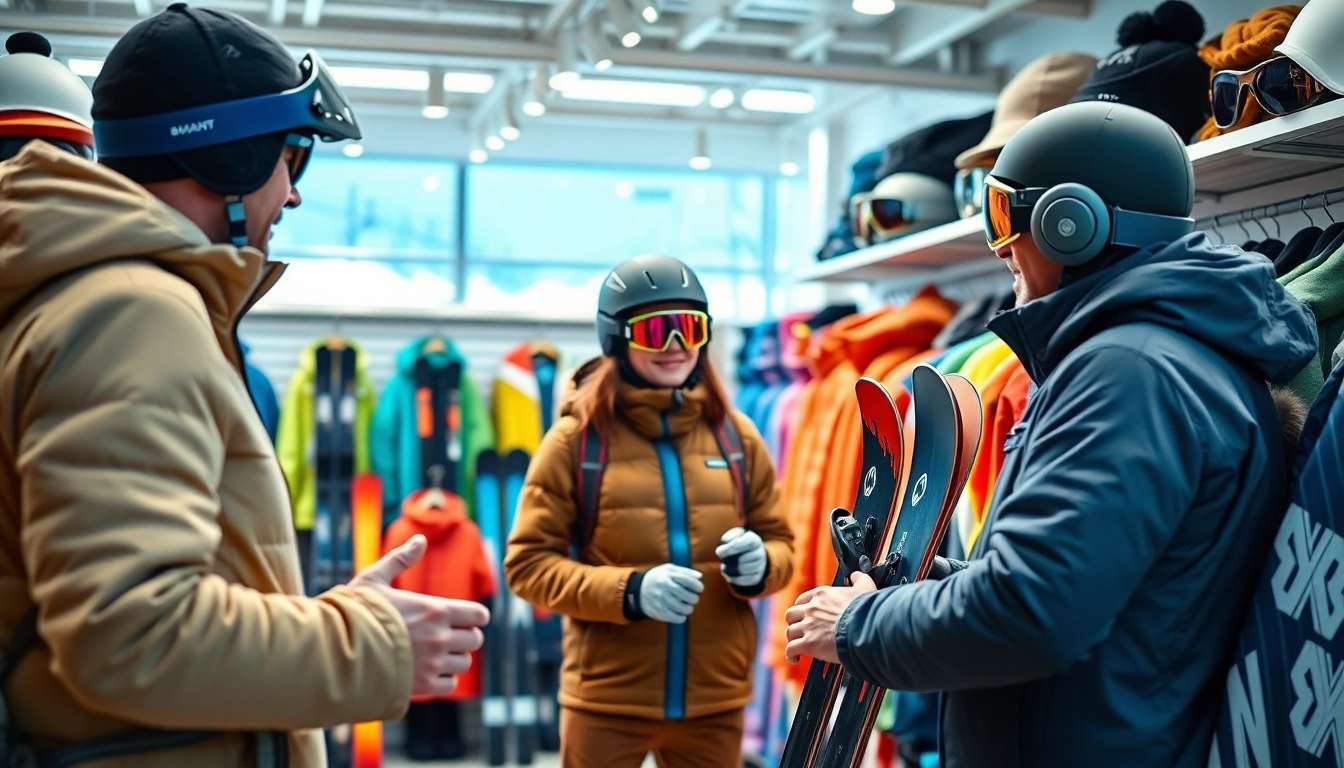
- Expert Consultations: Staff at ski shops often have extensive knowledge and can help match you with the right gear and equipment based on your skill level and skiing style.
- Classes and Clinics: Some shops even offer lessons or can refer you to instructors, providing an opportunity to learn or improve your skiing skills.
Budgeting for Ski Gear
Understanding your budget is essential before making any significant purchases. Here’s a breakdown of what to consider:
- Equipment Costs: Budget for skis, boots, and apparel as these can be significant investments.
- Rental Costs: Factor in rental costs if you’re not buying gear, resulting in savings if you ski infrequently.
- Maintenance Costs: Ongoing expenses for equipment upkeep, such as waxing and repairs.
- Clothing and Accessories: Spending on quality clothing can enhance comfort, warmth, and performance, so factor this into your budget.
Features to Look for in a Ski Shop
Finding the right ski shop isn’t just about location; several features can significantly enhance your shopping experience:
Product Variety and Quality
A reputable ski shop should have a diverse selection of products from various brands. Look for:
- Range of Products: Ensure they carry everything from beginner to advanced equipment.
- Quality Assurance: Stocking only high-quality and durable products can be a sign of a reputable shop.
- Availability of Latest Technologies: Shops should offer the newest innovations in skiing equipment and apparel.
Customer Service and Expertise
The knowledge and attitude of the staff can make or break your experience:
- Expert Guidance: Staff should be well-trained, able to provide technical support and personalized recommendations.
- Friendly Environment: An approachable staff can enhance your overall shopping experience.
- Post-Purchase Support: Quality post-sale support can help in resolving any issues or questions that may arise post-purchase.
Convenient Location and Accessibility
Makes a difference in your shopping experience and convenience. Look for:
- Proximity to Ski Resorts: If your shop is close to popular skiing destinations, it can save time during trips.
- Parking and Public Transport Access: Easy access can significantly improve the experience, especially during peak seasons.
- Store Hours: Flexible operating hours can be beneficial, especially for those who might have last-minute needs.
Comparing Local Ski Shops
To find the best deal and service, comparing local ski shops is essential. Consider these factors:
Reviews and Recommendations
Online reviews and word-of-mouth recommendations can provide invaluable insights:
- Customer Reviews: Look for overall ratings and detailed feedback that can reveal strengths and weaknesses of shops.
- Social Media Presence: Shops actively engaging with customers online can indicate their commitment to customer service.
- Community Involvement: A shop involved in local skiing events can be more knowledgeable about local slopes and conditions.
Pricing Comparisons
Pricing shouldn’t be the only consideration, but it’s certainly important:
- Price Matching: Some shops may offer price matching with competitors, which can be beneficial.
- Sales and Deals: Seasonal discounts and offseason sales can result in significant savings.
- Value for Money: Sometimes paying slightly more for expert advice or better service may be worth it.
Warranty and Return Policies
Understanding the shop’s warranty and return policies can save you trouble down the line:
- Extended Warranties: Some shops offer extended warranties on gear, providing peace of mind.
- Flexible Return Policies: Review the return system to ensure that it works with your plans.
- Inspection Policies: Some shops allow you to return items as long as they have not been used excessively—understanding these can help in making informed purchases.
Online vs. Brick-and-Mortar Ski Shops
The growing trend of online shopping comes with both advantages and disadvantages:
Benefits of Online Shopping
Shopping online can offer surprising advantages:
- Convenience: Shop at your own pace without the pressure of a salesperson.
- Wider Selection: Online stores can carry a much broader range of products than physical shops.
- Comparison Shopping: Pricing can be easily compared across multiple retailers, enhancing your ability to find the best deals.
In-Store Experiences
However, in-store shopping provides unique benefits:
- Personal Fittings: Trying gear in person can ensure proper fit, which is critical for comfort and performance.
- Immediate Access: Walk out with your gear rather than waiting for it to ship.
- Expert Advice: Face-to-face interactions often yield better recommendations specific to your needs and experience level.
Delivery and Pickup Options
Many shops now offer flexible pickup and delivery options:
- Click and Collect: Allowing online shoppers to reserve products and pick them up in-store.
- Convenient Delivery: Some shops may deliver to your home or ski destination, which can save effort and time.
- Subscription Services: A growing trend where shops can offer delivery services that include gear swaps each season.
Preparing for Your Visit to a Ski Shop
Preparing ahead of time can enhance your experience:
What to Bring for Fitting
When visiting a ski shop, having the right materials can make a difference:
- Measurements: Bring your foot size and any previous gear measurements to aid in fitting.
- Comfortable Clothing: Wear comfortable layers to mimic your skiing attire during fittings.
- Specific Questions: Prepare questions relevant to your skiing style and skills.
Questions to Ask Staff
Asking the right questions can provide valuable insights:
- Expert Recommendations: Ask what gear they suggest for your skill level and the type of terrain you’ll be skiing.
- Maintenance Tips: Inquire about the best way to maintain your equipment.
- Local Insight: Questions about nearby ski resorts and conditions can lead to better skiing experiences.
Planning Your Skiing Season
Having a seasonal plan can enhance your skiing experience:
- Tracking Conditions: Follow local weather patterns to find the best times to hit the slopes.
- Travel Plans: Make plans whether you’re skiing locally or traveling to a resort.
- Social Skiing: Organize group trips or join local ski clubs to enhance the experience.
Frequently Asked Questions
What should I consider when buying skis?
Consider your skill level, the type of skiing you plan to do, and the terrain you’ll be on. An expert at your local ski shop can help guide you.
How do I choose the right ski boots?
Ski boots should fit snugly without pain. Use toe caps and ensure your heel stays in place when walking in them for the best experience.
Is it better to rent or buy ski equipment?
If you ski infrequently, renting can be more cost-effective. If you ski regularly, investing in your own gear often results in a better experience.
What safety gear is essential?
A quality helmet and goggles are vital. Additional padding and protective gear may be warranted based on skill and terrain.
How often should I maintain my ski equipment?
Regular maintenance includes waxing skis every 5-10 days of use and having bindings adjusted yearly or as necessary.