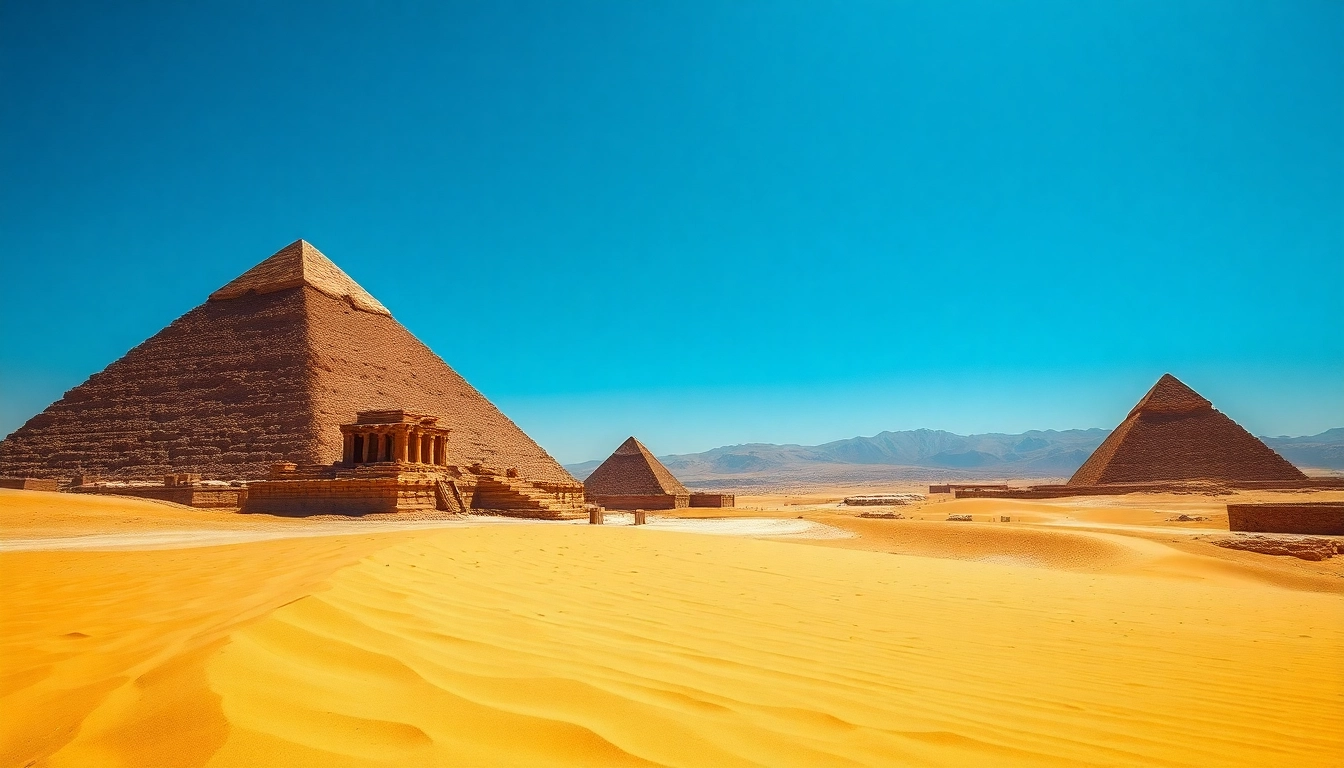
The Historical Significance of Pyraminds
Pyraminds represent some of the most iconic structures in human history, evoking a sense of mystery and awe. These monumental edifices not only serve as a testament to the architectural prowess of ancient civilizations but also embody their cultural and spiritual values. Piraminds continue to intrigue historians and tourists alike, inviting exploration into their past and significance.
Ancient Cultures and Their Connection
Pyramids were constructed by several ancient cultures worldwide, with the Egyptian pyramids being the most famous. The connection of these structures to ancient cultures transcends mere functionality; they symbolize the continuum of life and the afterlife beliefs held by these civilizations. The Egyptian pyramids, for instance, were built as tombs for pharaohs and were believed to facilitate their journey to the afterlife, showcasing the intricate beliefs surrounding death and resurrection in ancient Egyptian society.
Evolution of Pyramid Structures
The design and construction of pyramids evolved significantly over time. Initially, ancient Egyptians constructed mastabas—flat-roofed structures designed for burial. The evolution from mastabas to step pyramids and subsequently to smooth-sided pyramids marks a pivotal point in architectural history. The Step Pyramid of Djoser, built during the Third Dynasty, is often credited as the first pyramid, setting the stage for the later monumental constructions, such as the Great Pyramid of Giza, which represented the culmination of pyramid design and construction techniques.
Key Archaeological Discoveries
Numerous archaeological discoveries have furthered our understanding of pyramids and their cultural contexts. Excavations around the Pyramids of Giza have revealed complex burial practices, artifacts, and even the workers' villages, providing insights into the lives of those who built these glorious structures. Discoveries such as the hidden chambers within the Great Pyramid have fueled debates regarding their purpose, suggesting they were not merely tombs but also sites of significant ceremonial importance.
Construction Techniques of Pyraminds
Understanding the construction techniques involved in building pyramids is crucial for appreciating the achievements of ancient engineers and laborers. The precision and scale of these constructions reveal advanced knowledge of engineering and logistics.
Materials Used in Construction
The primary material used in constructing pyramids was limestone, particularly for the outer casing. Interior chambers were often composed of granite, sourced from quarries several miles away. Utilizing various materials, including mud bricks and basalt, demonstrated the adaptability of ancient builders. The combination of these materials not only contributed to the structural integrity of the pyramids but also played a role in their aesthetic appeal, particularly when the limestone casing was polished to reflect sunlight.
Workforce and Labor Organization
The construction of pyramids required a massive and organized workforce. Contrary to popular belief that slaves primarily built these structures, evidence suggests that skilled laborers were employed, often recruited from across the kingdom. Records indicate that the workforce was supported by a robust system of logistics, including food provision, housing, and medical care, reflecting the importance of these projects in society. The organization of labor underscores the complexity of pyramid construction and the respect afforded to those involved in these monumental endeavors.
Engineering Innovations
Innovations in engineering played a crucial role in the successful construction of pyramids. Techniques such as lever systems and possibly ramps allowed workers to lift heavy stones to great heights. The layout and alignment of the pyramids with celestial bodies also revealed advanced astronomical knowledge, suggesting that the builders viewed their constructions as not only earthly tombs but also gateways to the stars.
Why Pyraminds Were Built
The motivations behind constructing pyramids extend beyond mere burial sites; these structures served significant spiritual and political functions within their societies.
Religious and Spiritual Implications
Pyramids were built as grand statements of religious faith and power. In ancient Egypt, they were viewed as places where the pharaoh would ascend to the heavens after death, emphasizing the divine nature of the ruler. This belief system was intricately linked to the worship of gods like Osiris, the deity of the afterlife, reinforcing the idea that pyramids were not only tombs but also temples of resurrection and immortality.
The Afterlife Beliefs
The elaborate burial practices associated with pyramid construction highlight the significance of afterlife beliefs. The interiors of pyramids were often filled with artifacts, treasures, and food supplies, reflecting the notion that the deceased would require these items in their journey beyond. Texts such as the Pyramid Texts, inscribed on the walls, served to guide and protect the pharaoh in the afterlife, reinforcing the connection between the living and the dead.
Symbolism in Ancient Cultures
Pyramids symbolize more than just tombs; they represent the interconnectedness of nature, divinity, and the human experience in ancient cultures. Their triangular shape has been interpreted as a reflection of the sun's rays, symbolizing a direct link to the divine. Additionally, pyramids served as markers of a civilization’s achievements, uniting communities in a common purpose while elevating the status of the rulers buried within.
Modern Research on Pyraminds
Today, ongoing research continues to unveil secrets about pyramids, employing advanced technologies and interdisciplinary studies to achieve unprecedented insights.
Recent Discoveries and Technologies
Modern archaeology has employed a variety of techniques, including ground-penetrating radar and 3D imaging, to explore previously inaccessible areas around pyramids. Recent discoveries of hidden chambers within the Great Pyramid have led to renewed interest and research into how these ancient builders achieved such precision. Additionally, the application of drone technology has revolutionized our ability to survey and analyze pyramid structures from new perspectives, revealing patterns and characteristics not visible from the ground.
Preservation Efforts
The preservation of pyramids has become a crucial part of cultural heritage management. As tourism increases, so do the challenges of conserving these ancient structures. Collaborative efforts among governments, archaeologists, and international organizations aim to protect and preserve these monumental sites for future generations. Techniques include environmental monitoring and restoration projects that strive to maintain the structural integrity and authenticity of these historic sites.
Impact on Tourism and Education
Pyramids have a significant impact on tourism, drawing millions of visitors annually. This influx of tourists provides essential funding for preservation but also necessitates careful management to balance visitor experience with conservation needs. Educational initiatives aimed at informing visitors about the historical, cultural, and archaeological significance of these sites foster greater appreciation and understanding of pyramids as integral parts of human history.
FAQs About Pyraminds
What are the main types of pyramids?
Pyramids can be classified mainly into square pyramids, triangular pyramids, and step pyramids, each reflecting different architectural styles.
Who were the pyramids built for?
Most pyramids were constructed as monumental tombs for pharaohs and high-ranking officials, reflecting their beliefs in the afterlife.
How were pyramids constructed?
Pyramids were built using large limestone blocks, and techniques included ramp systems and the labor of skilled workers and slaves.
What are the most famous pyramids?
The most iconic pyramids include the Pyramids of Giza, particularly the Great Pyramid of Khufu, one of the Seven Wonders of the Ancient World.
Why do pyramids fascinate us today?
Pyramids captivate modern audiences due to their architectural grandeur, historical significance, and the mysteries surrounding their construction and purpose.