Introduction to Wildfire Events
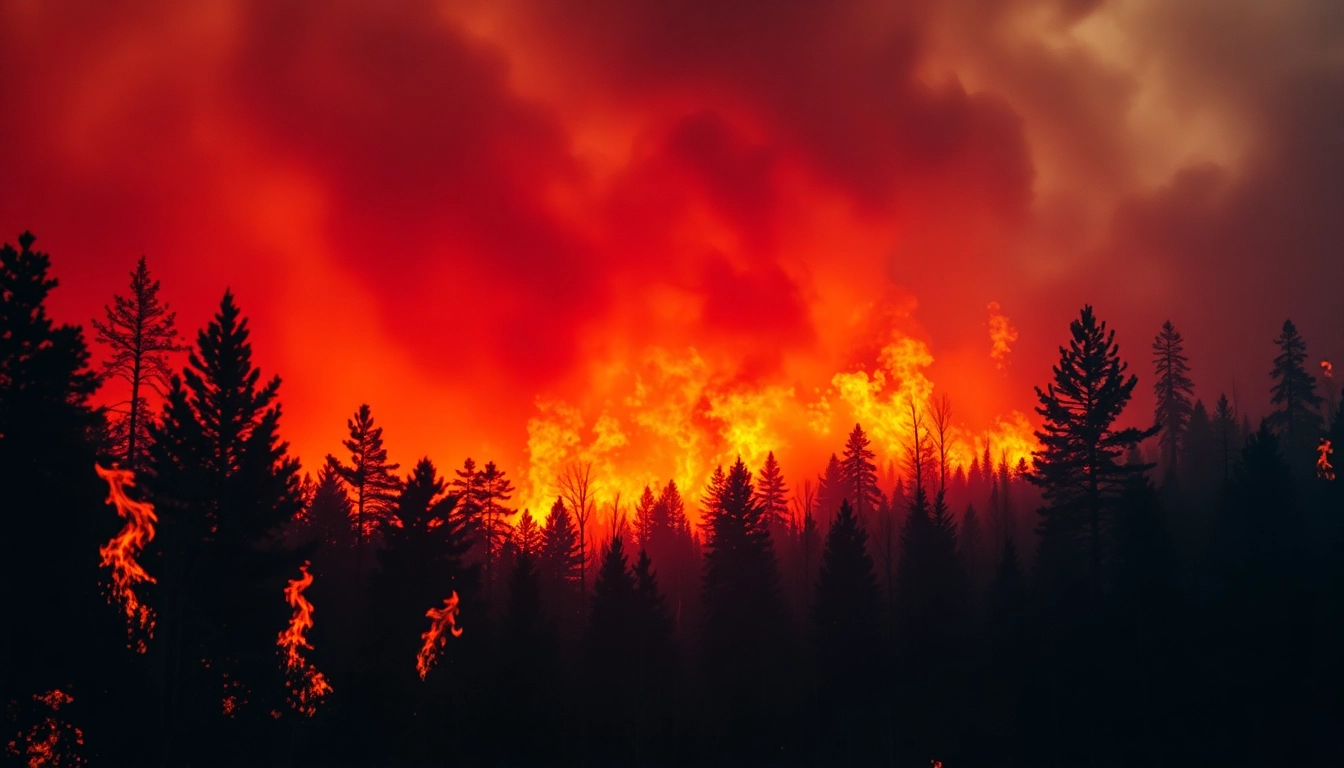
Wildfire events have shaped landscapes and communities throughout history, embodying nature's duality as both a destructive force and a necessary element of ecosystem regeneration. As the frequency and intensity of these events increase due to climate change and human activities, understanding Wildfire events has become crucial for sustainable management and community preparedness. This article dives deep into various aspects of these phenomena, exploring their causes, consequences, and strategies for prevention and response.
Defining Wildfire Events
A wildfire event is any uncontrolled fire that occurs on undeveloped land and typically requires elaborate fire suppression efforts. The term encompasses a variety of fire types, including forest fires, grass fires, and bushfires. Wildfires can ignite due to natural causes, such as lightning or human activity, including campfires left unattended or arson. Understanding the multifaceted nature of wildfires helps stakeholders implement more effective management strategies.
Historical Context and Significance
Historically, wildfires have been intrinsic to many ecosystems, serving as a natural mechanism for renewing and maintaining the health of forests. They catalyze the growth of new vegetation, clear out dead material, and provide habitats for various species. For centuries, indigenous communities have utilized controlled burns to manage landscapes sustainably. However, as communities expand and climate conditions evolve, the risk associated with wildfires has transformed dramatically. The Peshtigo Fire of 1871, which resulted in over 1,500 fatalities, remains the deadliest wildfire in U.S. history, signaling a need for comprehensive fire management strategies.
Global Trends in Wildfire Events
Recent studies suggest a marked increase in the frequency and severity of wildfire events globally, driven largely by climate change and human encroachment into natural habitats. The World Health Organization has noted an alarming rise in wildfire incidents, correlating with rising average temperatures and prolonged drought conditions in many regions. This trend is particularly concerning in areas already vulnerable to natural disasters, prompting urgent calls for improved preparedness and response strategies.
Causes of Wildfire Events
Natural Causes: Lightning and Weather Patterns
Lightning strikes are one of the most prevalent natural triggers of wildfires. When conditions are dry and winds are strong, a simple bolt of lightning can ignite entire forests in moments. Weather patterns play a crucial role in wildfire ignition and spread, with factors such as humidity, temperature, wind, and precipitation playing an integral part in determining fire behavior. For instance, warm, dry conditions often lead to increased fire susceptibility, while heavy rains can mitigate risk.
Human-Induced Wildfire Events
Human activity is responsible for a significant portion of wildfire events. Causes range from accidental fires ignited by equipment usage or discarded cigarettes, to intentional actions such as arson. Infrastructure developments can also contribute to an increased risk, particularly in areas where human habitation borders forested regions. It is essential to develop public education campaigns aimed at reducing human-induced fire risks, particularly in high-risk zones.
Climate Change and Its Effects
The relationship between climate change and wildfire events is complex and multifaceted. As global temperatures rise, areas previously immune to wildfires are experiencing unprecedented fire seasons. Climate change exacerbates drought conditions, leading to drier landscapes that ignite more easily. Furthermore, the shifting weather patterns create environments conducive to the rapid spread of fires, as seen in recent years across Australia, California, and parts of the Mediterranean.
Impact of Wildfire Events
Environmental Consequences
The environmental impacts of wildfire events are profound. While some ecosystems are adapted to withstand fire, the devastation of others can lead to habitat destruction and loss of biodiversity. Soil erosion can increase dramatically after a wildfire, exposing land to further degradation, and the release of carbon dioxide during significant burn events contributes adversely to climate change. Moreover, the regrowth phase can take decades, hampering ecosystem restoration efforts.
Economic Impact on Communities
Wildfires pose significant economic challenges to communities, especially in regions that rely heavily on natural resources. Forests provide timber, recreation, and tourism, all of which can be jeopardized by destructive fires. Local economies also bear the brunt of fire suppression costs, with the National Fire Protection Association reporting billions spent annually on firefighting. The aftermath of a wildfire can hinder local businesses, reduce property values, and create lasting economic hardship.
Public Health Concerns
Public health is severely impacted by wildfire events, as air quality deteriorates and respiratory-related illnesses rise. The smoke generated by wildfires contains a mixture of harmful pollutants that can exacerbate pre-existing health issues and challenge vulnerable populations. Mental health can also decline due to the stress and trauma associated with losing homes and livelihoods. Comprehensive health responses and community support are crucial in mitigating these impacts.
Prevention and Preparedness for Wildfire Events
Effective Strategies for Wildfire Prevention
Effective wildfire prevention strategies include creating defensible space around properties, maintaining vegetation, and implementing controlled burns under safe conditions. Encouraging responsible land usage and firebreak creation can significantly reduce fire spread. Community efforts focused on landscape management and building fire-adapted structures also help mitigate risks.
Community Engagement and Education
Empowering communities through education and engagement initiatives can significantly improve wildfire preparedness. Programs that teach residents about fire risks, emergency plans, and the importance of maintaining safe properties can foster collective responsibility. Additionally, awareness campaigns about the role of natural fire cycles can help communities appreciate necessary fire events while advocating for safety measures.
Government Policies and Resources
Governments play a crucial role in wildfire management through policy development, funding, and resource allocation. Integrating land use planning with fire management can create more resilient communities. Financial investments in firefighting resources, equipment, and technology can bolster community preparedness and response capabilities. Collaboration between local, regional, and national entities can enhance the efficiency of these efforts.
Responding to Wildfire Events
Coordinated Response Efforts
A coordinated response to wildfire events involves collaboration between various stakeholders, including emergency services, government agencies, and local communities. Utilizing advanced technologies such as satellite imagery and drones can aid in monitoring fire spread and improving tactical response. Creating clear communication channels ensures timely information dissemination, which is critical for community safety.
Post-Fire Recovery and Rehabilitation
The process of recovery and rehabilitation post-wildfire is vital for restoring affected ecosystems and communities. Strategies include reforestation initiatives, soil stabilization practices, and supports for displaced residents. Engaging local communities in recovery efforts not only aids faster restoration but can also foster a sense of ownership and resilience against future wildfire events.
Future Directions in Wildfire Management
Future directions in wildfire management will increasingly focus on integrating climate adaptation strategies into fire management plans. Developing predictive models that account for climate variability and urban expansion can enhance wildfire readiness. Moreover, fostering international collaboration on wildfire research and best practices will ensure that communities worldwide learn from one another, improving overall fire management approaches.
Frequently Asked Questions
What factors contribute to wildfire events?
Wildfire events are driven by natural factors such as lightning and weather patterns, and human-induced factors including arson and accidental fires. Climate change exacerbates risks due to rising temperatures and prolonged droughts.
How do wildfires impact the environment?
Wildfires can lead to habitat loss, increased soil erosion, and greenhouse gas emissions. However, some ecosystems depend on fire for regeneration and biodiversity. The overall impact varies by region and ecosystem.
What can communities do to prepare for wildfires?
Communities can establish defensible spaces, create emergency plans, and participate in local education programs about fire risks. Collaboration and engagement can enhance community readiness and resilience.
How are wildfire events managed by authorities?
Wildfire management involves coordinated efforts between local and national agencies, utilizing advanced monitoring technologies, and planning for effective emergency responses to safeguard communities and natural resources.
What are the health effects of wildfire smoke?
Smoke from wildfires can cause respiratory issues, exacerbate asthma, and harm cardiovascular health. Vulnerable populations are particularly at risk, making public health responses critical during fire events.