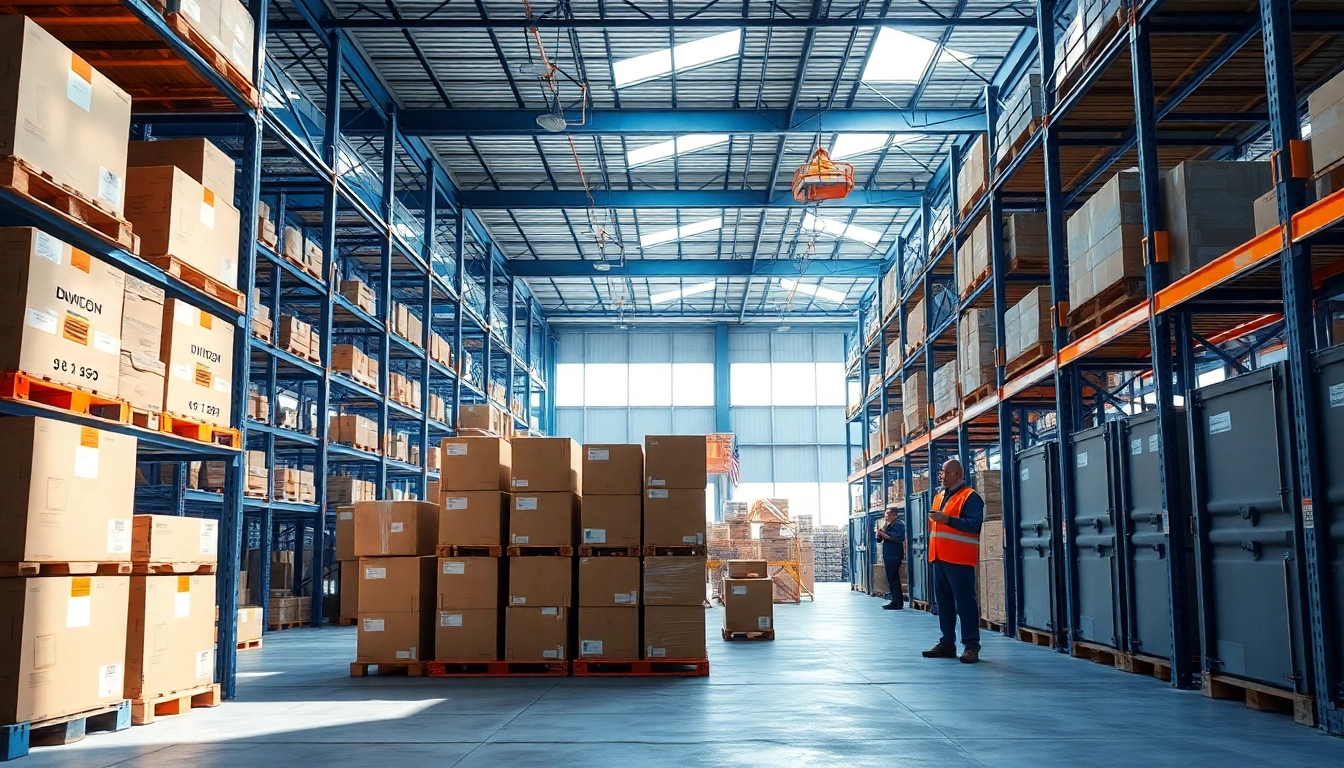
Introduction to Warehousing: What It Is and Why It Matters
In the complex world of supply chain management, warehousing plays a critical role. At its core, warehousing refers to the storage of goods in a building or storage facility until they are needed for distribution. This process is not merely about storing items; it encompasses various strategic functions that can determine the efficiency of the entire supply chain. Understanding the nuances of warehousing is essential for businesses seeking to optimize their logistics operations and improve customer satisfaction.
Defining Warehousing and Its Importance
Warehousing is fundamentally defined as the act of storing physical goods in a dedicated facility until they are ready for distribution to customers or retailers. This function serves multiple industries, including manufacturing, retail, and e-commerce, creating a need for efficient and effective warehousing operations.
The importance of warehousing extends beyond basic storage. It acts as a buffer between production and consumption, allowing businesses to manage supply and demand fluctuations. Effective warehousing practices can lead to significant improvements in order fulfillment speed, inventory management, and overall customer satisfaction. Additionally, it can reduce operational costs by optimizing the use of space and resources.
Historical Evolution of Warehousing
Historically, the concept of warehousing dates back to ancient civilizations, where merchants stored goods in simple structures for later trade. Over time, as commerce evolved, so did warehouse design and operations. The rise of industrialization in the 18th and 19th centuries introduced new technologies and larger-scale manufacturing processes, necessitating more sophisticated warehousing solutions.
In the late 20th century, warehousing underwent another transformation with the advent of automation and computerization. The integration of advanced management systems and technology paved the way for modern warehousing, characterized by high-tech solutions such as automated storage and retrieval systems, improved inventory management practices, and data analytics capabilities.
Current Trends Shaping the Warehousing Landscape
The warehousing industry continues to evolve, driven by several trends that are reshaping its landscape:
- Automation and Robotics: The incorporation of automation and robotics is revolutionizing warehousing operations, enhancing efficiency and reducing labor costs.
- Sustainability Practices: Increasing emphasis on sustainability has led warehouses to adopt eco-friendly practices, such as energy-efficient lighting and renewable energy sources.
- Data-Driven Decisions: The use of big data and analytics allows for informed decision-making regarding inventory management and operational efficiency.
- Omni-Channel Fulfillment: The rise of e-commerce has necessitated warehouses to adapt to omni-channel retailing, where products must be accessible across multiple sales channels.
Types of Warehousing and Their Applications
Warehousing comes in various forms to cater to the specific needs of different businesses. Understanding these types can help companies choose the right warehousing solution to meet their operational goals.
Distribution Warehousing Explained
Distribution warehousing serves as a key node in the supply chain, focusing on the storage and distribution of goods to retailers and consumers. These warehouses are strategically located to facilitate quick and efficient transportation. They play a crucial role in managing inventory levels and ensuring timely deliveries.
Distribution warehouses typically feature advanced inventory management systems that enable quick picking and packing processes. These systems aid in reducing lead times and enhance overall supply chain efficiency.
Public vs. Private Warehousing
There are primarily two categories of warehousing: public and private. Both types serve different purposes based on business needs.
- Public Warehousing: These facilities are operated as independent businesses and offer storage space to multiple clients on a short-term or long-term basis. Public warehouses provide flexibility, allowing businesses to scale their storage needs according to fluctuating demands.
- Private Warehousing: In contrast, private warehouses are owned and operated by a specific company to store its products. This type of warehousing is beneficial for businesses that require control over their storage and distribution processes, allowing for customized management strategies.
Specialized Warehousing Solutions
Specialized warehousing solutions cater to specific industries that require tailored storage conditions. Examples include:
- Temperature-Controlled Warehousing: Essential for storing perishable goods, this type of warehousing maintains specific temperature ranges to preserve product quality.
- Hazardous Material Warehousing: These facilities are designed to safely store hazardous substances, with built-in safety measures to comply with strict regulatory standards.
- E-commerce Warehousing: Focused on rapid fulfillment, e-commerce warehouses are designed for high-volume order processing and efficient shipping to consumers.
Key Functions and Responsibilities in Warehousing
The core functions of warehousing extend beyond mere storage; they include essential responsibilities that ensure smooth operations. A well-managed warehouse incorporates a series of systematic processes that must work harmoniously.
Receiving Goods: Processes and Best Practices
The receiving process is the first critical operation in warehousing. Upon the arrival of goods, thorough checks must be conducted to verify delivery accuracy against purchase orders. This includes:
- Inspection: Each shipment must be inspected for quality and damage, ensuring that only suitable products enter inventory.
- Documentation: Proper documentation is necessary to track received goods and maintain accurate records for inventory management.
- Data Entry: Information about received inventory should be promptly entered into the warehouse management system to update stock levels in real time.
Inventory Management Strategies for Warehousing
Effective inventory management is crucial for optimizing warehousing operations. It ensures that products are stored efficiently, minimizing excess stock while preventing stockouts. Key strategies include:
- Just-In-Time Inventory: This approach limits inventory levels, allowing companies to receive goods just as they are needed, thereby reducing holding costs.
- FIFO and LIFO: These acronyms stand for First-In-First-Out and Last-In-First-Out, which are methods used to determine the order of inventory usage.
- Cycle Counting: Regular counts of inventory items help maintain accuracy in inventory levels, enabling businesses to make informed supply chain decisions.
Order Fulfillment: Steps to Success
Order fulfillment is the final step in the warehousing process and involves preparing orders for shipment. This process consists of several critical steps:
- Order Processing: Orders are collected from the warehouse management system and assigned for picking.
- Picking: Warehouse staff or automated systems locate and retrieve the items from inventory based on order details.
- Packing: Once items are picked, they are carefully packed to prevent damage during transit.
- Shipping: Finally, orders are labeled and dispatched to their designated locations, often using logistics partners for deliveries.
Technological Innovations in Warehousing
The warehousing landscape has been profoundly influenced by technological innovations. These advancements have enabled companies to streamline operations, reduce costs, and improve overall warehouse efficiency.
Automation and Robotics in Modern Warehousing
Automation and robotics have emerged as game-changers in the warehousing industry. Automated systems can handle various tasks, including inventory management, order picking, and even packing. The integration of robotics into warehousing not only speeds up operations but also minimizes human errors, leading to enhanced accuracy in order fulfillment.
For instance, Automated Guided Vehicles (AGVs) are employed to transport goods across the warehouse, while robotic arms can assist in packing processes, significantly reducing the labor required for these operations.
Warehouse Management Systems: Choosing the Right One
A Warehouse Management System (WMS) is essential for optimizing warehousing operations. A well-chosen WMS assists in managing inventory, tracking shipments, and improving order accuracy. Factors to consider when selecting a WMS include:
- Scalability: The system should grow with the business, accommodating increased inventory and operational complexity.
- User-Friendliness: A WMS must be intuitive for staff to navigate easily, reducing training time and minimizing errors.
- Cost: Analyze both initial costs and ongoing expenses to ensure the chosen WMS aligns with the budget.
The Role of AI and Data Analytics in Warehousing
Artificial Intelligence (AI) and data analytics are increasingly being integrated into warehousing operations. These technologies facilitate predictive analytics, enabling businesses to anticipate demand patterns and optimize inventory levels accordingly.
AI algorithms can also improve order routing and delivery schedules, leading to more efficient logistics operations. By leveraging big data, warehouses can achieve greater visibility into their supply chain processes, ultimately resulting in enhanced decision-making and improved operational efficiency.
Challenges and Solutions in Warehousing Operations
While warehousing presents numerous opportunities for businesses, it also entails a series of challenges that must be overcome to achieve operational success.
Common Challenges Faced by Warehousing Professionals
Warehousing professionals encounter various obstacles, including:
- Space Constraints: As inventory levels fluctuate, warehouses may face space shortages, leading to inefficient storage practices.
- Labor Shortages: The demand for qualified workers in the warehousing sector can lead to staff shortages, impacting productivity.
- Inventory Visibility: Lack of real-time data can hinder decision-making processes, making it challenging to manage inventory effectively.
Addressing these challenges requires strategic planning, the integration of technology, and effective resource management to streamline operations.
Regulatory Compliance and Safety Measures
Warehouse operations are subject to various regulations concerning safety and environmental standards. Ensuring compliance with these regulations is critical to avoid legal repercussions and maintain a safe working environment. Implementing comprehensive safety training programs, conducting regular audits, and adhering to guidelines set forth by governing bodies are all essential safety measures that contribute to a robust warehousing operation.
Future-Proofing Your Warehousing Operations
In a rapidly changing marketplace, future-proofing your warehousing operations is essential. This includes:
- Investing in Technology: Keeping up with technological advancements can give your operations a competitive edge.
- Training and Development: Continuous training programs for staff ensure that the workforce is prepared to adapt to new methods and technologies.
- Flexibility and Scalability: Designing warehousing solutions with flexibility in mind allows businesses to adapt to changing market conditions with ease.
As the warehousing landscape evolves, staying ahead of trends and preparing for future challenges will position businesses for enduring success.