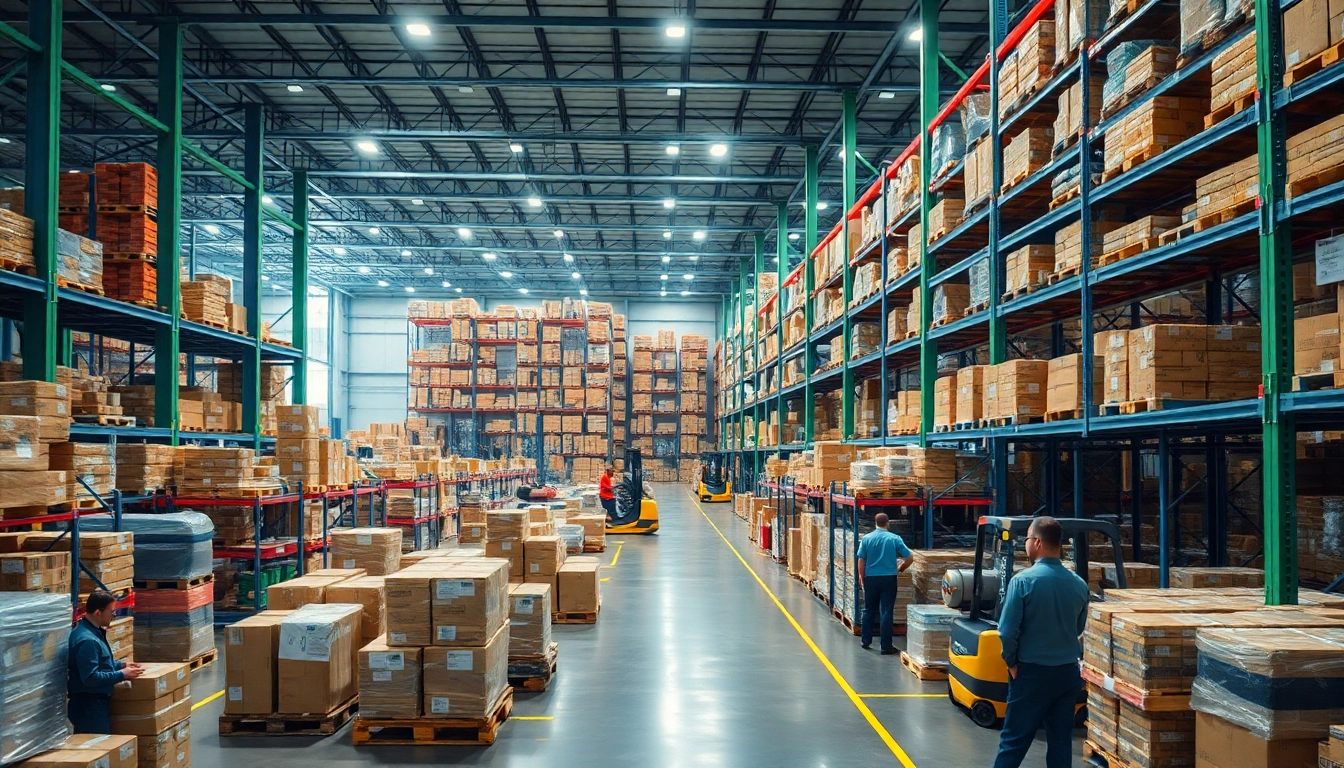
Introduction to Warehousing
Understanding the intricacies of warehousing is essential for businesses aiming to streamline their supply chain operations. A warehouse serves as the backbone of the logistics industry, enabling the efficient storage and management of goods. While many people take the concept of warehousing for granted, its role in enhancing supply chain efficacy cannot be overstated.
Defining Warehousing
Warehousing can be defined as the process of storing goods in a designated space until they are needed. This process encompasses not only the physical storage of items but also the management of the inventory and the systems that enable effective retrieval and dispatch.
Storage facilities can range from small local warehouses to expansive global distribution centers, servicing a variety of industries including e-commerce, manufacturing, and retail. Each type of warehousing plays a critical role in balancing supply and demand, optimizing inventory levels, and ensuring timely order fulfillment.
Importance of Warehousing
The significance of warehousing in the modern economy cannot be ignored. In an era where customer expectations demand faster delivery times, warehousing becomes essential for achieving operational efficiency. Here are some key reasons why warehousing is vital:
- Inventory Management: Warehousing allows businesses to manage inventory levels effectively, minimizing costs associated with overstocking or stockouts.
- Order Fulfillment: Efficient warehousing solutions hasten the process of order fulfillment, directly impacting customer satisfaction.
- Reducing Transportation Costs: By strategically locating warehouses, companies can minimize transportation costs and optimize delivery routes.
Types of Warehousing
The landscape of warehousing is diverse, with several types catering to different operational needs. Each type is designed to address specific requirements of storage and distribution. The most common types include:
- Public Warehouses: These are owned by third-party entities and rented out to businesses needing storage space.
- Private Warehouses: Owned by a company for its exclusive use, these warehouses are often found in large retail businesses or manufacturing organizations.
- Distribution Centers: Specifically designed for quick dispatch of goods, these centers serve as major points in the supply chain.
- Climate-Controlled Warehouses: These are essential for storing perishable goods or sensitive materials that require specific temperature and humidity conditions.
Core Functions of Warehousing
Storage and Inventory Management
At the heart of warehousing is the function of storage, which is crucial for maintaining an efficient supply chain. This involves not just holding products but also actively managing them through inventory systems. Effective inventory management reduces the likelihood of errors and improves visibility into stock levels.
Modern inventory systems utilize technology like RFID and barcode scanning to track inventory accurately. This allows businesses to streamline operations, reduce waste, and maintain optimal inventory levels that align with demand forecasts.
Handling and Distribution Functions
Handling goods efficiently is essential to minimizing costs and maximizing speed. This can involve various activities from unloading incoming shipments to picking, packing, and preparing products for shipping. A well-organized warehouse layout enhances these handling processes.
Utilizing modern material handling equipment, such as pallet jacks, forklifts, and automated guided vehicles, can significantly speed up these processes and reduce labor costs. Implementing such systems can lead to a more efficient workflow and minimize workplace accidents.
Order Fulfillment Processes
Order fulfillment is one of the most critical components of warehousing. This process involves the steps taken from receiving an order to delivering it to the customer. An efficient fulfillment process helps to meet customer expectations and plays a significant role in customer retention.
To streamline order fulfillment, businesses must focus on accurate order picking, effective inventory management, and accurate shipping methods. This can include the implementation of advanced warehouse management systems (WMS) that integrate with e-commerce platforms, enabling real-time updates and improved accuracy.
Advantages of Effective Warehousing
Cost Efficiency in Operations
One of the most compelling reasons to invest in effective warehousing is the potential for cost savings. By optimizing storage and inventory processes, companies can reduce their operational costs. Efficient warehousing can minimize the need for extensive supply chains by positioning products closer to the end customer, leading to reduced shipping costs.
Moreover, consolidating shipments and leveraging economies of scale through warehousing can significantly impact overall transportation expenses.
Improved Customer Satisfaction
In today’s fast-paced market, customer satisfaction is paramount. Efficient warehousing leads to faster order processing and delivery, directly impacting customer experience. Businesses that can fulfill orders quickly and accurately are more likely to retain customers and earn repeat business.
Additionally, with the use of data analytics, businesses can better understand consumer behavior, allowing them to predict demand and manage stock levels accordingly, ensuring that popular products are always available.
Streamlining Supply Chain Logistics
Effective warehousing plays a pivotal role in streamlining supply chain logistics. By serving as central points for product storage and distribution, warehouses help eliminate inefficiencies within the supply chain. This streamlining results in reduced lead times and improved inventory turnover rates.
Moreover, adopting a just-in-time (JIT) inventory approach can further enhance supply chain performance by allowing businesses to order inventory only when needed, reducing storage costs and minimizing waste.
Best Practices in Warehousing
Implementing Technology Solutions
Leveraging technology is a cornerstone of successful warehousing. Technologies such as warehouse management systems (WMS), automated picking systems, and real-time inventory tracking can transform warehouse operations. These solutions not only increase efficiency but also enhance accuracy in order fulfillment.
Investment in automation and robotics is also on the rise, allowing for faster processing of orders and reduced dependency on manual labor, which can lead to significant cost savings in the long run.
Designing Efficient Layouts
The design of a warehouse layout significantly impacts operational efficiency. An optimal layout minimizes wasted space and facilitates easy movement of goods. Common layout designs include the ABC analysis, which categorizes inventory based on demand, and the flow-through method that aids in quicker shipping processes.
Employing best practices in warehouse design—such as strategic placement of frequently accessed items and clear pathways for material handling equipment—can enhance overall productivity and safety.
Ensuring Safety and Compliance
Safety in warehousing is non-negotiable. Ensuring compliance with safety regulations protects workers and reduces liability for the business. This includes regular training, proper signage, and maintenance checks on equipment used in the warehouse.
Furthermore, adopting a safety-first culture and encouraging employees to report potential hazards can foster a safer work environment.
Future Trends in Warehousing
Automation and Robotics
The future of warehousing is closely tied to advancements in automation and robotics. Automated systems are becoming increasingly common, with solutions including mobile robots for transporting goods and automated picking systems. This trend is expected to continue, driven by the demand for faster and more reliable service.
Additionally, machine learning and artificial intelligence (AI) play crucial roles in predicting inventory requirements, enhancing operational efficiency and decision-making processes within the warehouse.
Sustainable Practices in Warehousing
Sustainability has become a focal point for many industries, and warehousing is no exception. Companies are implementing eco-friendly practices such as energy-efficient equipment, sustainable building materials, and waste reduction strategies.
By prioritizing sustainability, businesses not only reduce their environmental footprint but also attract increasingly eco-conscious consumers.
Impact of E-commerce on Warehousing Strategies
The surge in e-commerce has dramatically altered warehousing strategies. The need for rapid fulfillment and direct-to-consumer shipping has necessitated the development of more agile and responsive warehousing solutions. Businesses now require warehouses to be positioned closer to urban areas, enabling faster shipping times.
Furthermore, with rising consumer expectations for quick delivery, warehouses are increasingly integrating technology to automate processes and respond to online orders swiftly.