Introduction to Mining
Mining is a fundamental industry focused on extracting valuable geological materials and minerals from the Earth, playing a pivotal role in modern society. It encompasses various processes used to obtain different types of resources, which are vital not just for construction and industry but also for technological development and energy production. Mining operations can be complex, requiring careful planning, significant investment, and advanced technology. Understanding mining offers insights into its impact on economies, environments, and communities.
What is Mining?
Mining is the process of extracting minerals and other geological materials from the Earth's crust. This can include metals like gold, silver, and copper, as well as non-metal minerals like limestone and clay. The extraction techniques depend on the depth, location, and type of resource. Broadly, it can be categorized into two main types: surface mining and underground mining, each suited to specific conditions and resources.
History of Mining Practices
The history of mining dates back to the Neolithic era, where primitive mining techniques allowed early humans to extract flint for tools. As civilizations advanced, so too did mining methods, leading to the development of more complex processes. The discovery of metals during the Bronze Age marked a significant leap, as societies utilized bronze tools for agriculture and construction. Over centuries, mining has evolved from manual extraction to the use of machinery, enabling the extraction of harder-to-reach resources.
The Economic Importance of Mining
Mining plays a vital role in the global economy by providing essential materials for various industries, generating employment, and contributing significantly to national revenues. The sector supports not only direct jobs in extraction but also indirect employment through supply chains and services. Countries rich in mineral resources often rely heavily on mining for economic stability, making it crucial for development and prosperity.
Types of Mining Methods
Surface Mining Techniques
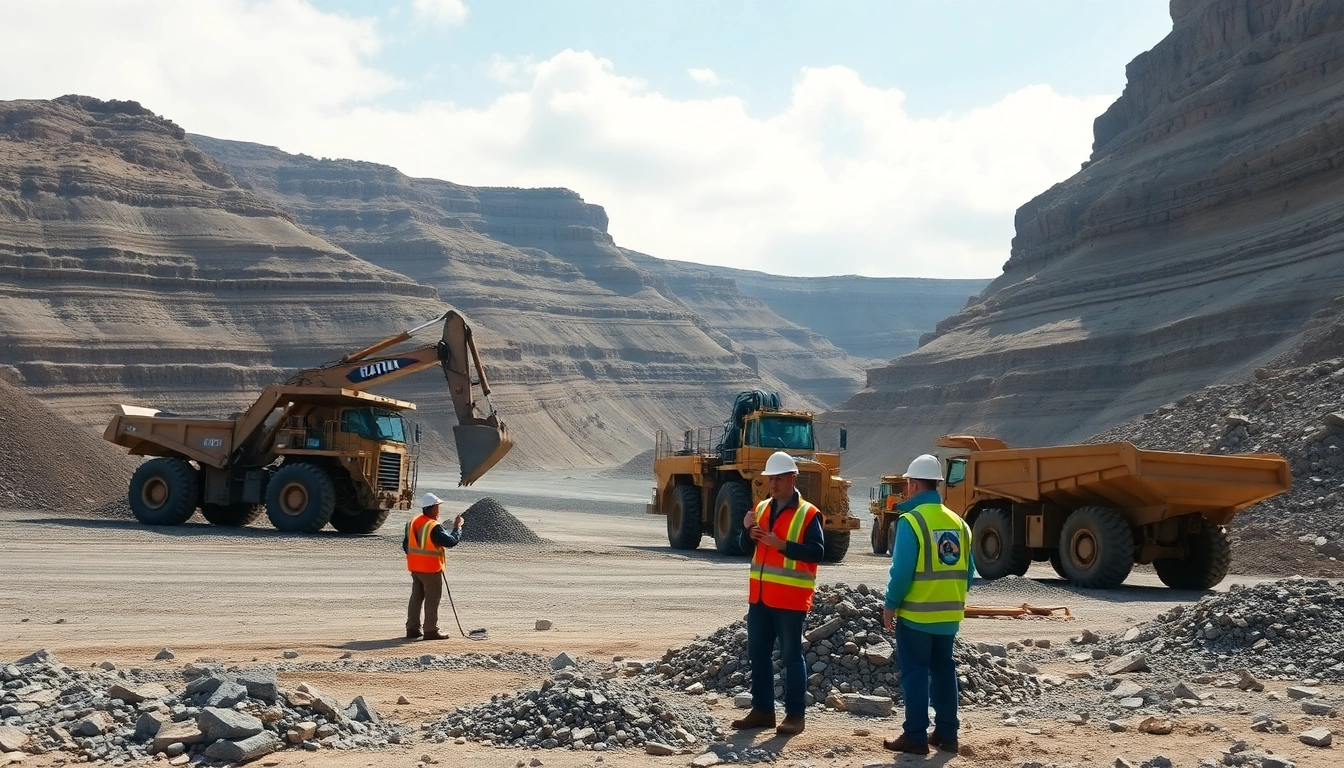
Surface mining involves removing soil and rock that cover mineral deposits, making it suitable for minerals that are located close to the earth's surface. Techniques include:
- Open-pit mining: This requires removing a large volume of surface soils to extract minerals like gold and copper.
- Strip mining: Common for coal, it involves stripping away the surface layers to access buried coal seams.
- Mountaintop removal: Predominantly done in coal mining, this technique involves blasting the tops of mountains to access coal reserves.
Underground Mining Processes
Underground mining is applied when minerals are too deep within the earth’s crust. Key methods include:
- Shaft mining: Involves deep vertical shafts to reach deposits buried far beneath the surface.
- Room and pillar mining: This method creates pillars of material to support the earth overhead while extracting minerals.
- Longwall mining: A highly mechanized method that involves cutting along a coal seam and allowing the mine to collapse behind the face.
Innovations in Mining Technology
The mining industry has embraced innovation to enhance efficiency and safety. Advances such as automation, remote sensing, and data analytics have revolutionized mining operations. Autonomous vehicles are now regularly used for transporting materials, while drone technology aids in surveying and monitoring operations, improving safety and efficiency. Mining software can predict equipment failures, reducing downtime and maintenance costs.
Environmental Impact of Mining
Effects on Landscape and Ecosystems
Mining significantly alters landscapes, often leading to deforestation, habitat destruction, and soil erosion. The removal of large amounts of earth alters the natural topography and can lead to long-lasting ecological changes. Furthermore, mining activities can fragment habitats, putting additional stress on biodiversity and local ecosystems. Mitigating these effects is becoming increasingly critical to preserve the environmental balance.
Pollution and Resource Management
Mining operations can lead to various forms of pollution, including air, water, and soil contamination. Dust from mining operations can affect air quality, while improper disposal of mining waste can pollute local water sources. Sustainable mining practices are essential to minimize waste and ensure that resources are managed responsibly, from extraction to processing and beyond.
Regulatory Frameworks
Governments and international organizations have established regulatory frameworks to govern mining operations and ensure sustainable practices. These regulations often include environmental assessments, permitting, and strict guidelines for waste management and community impact. Compliance with these regulations is necessary not only for legal operation but also for maintaining community support and environmental accountability.
Challenges Facing the Mining Industry
Labor Issues and Safety Concerns
Labor safety remains a paramount concern in the mining industry due to the high-risk nature of the work. Mining operations face challenges such as hazardous working conditions, potential accidents, and health-related issues affecting workers. Investing in training, safety equipment, and emergency response protocols is vital for protecting workers and ensuring operational integrity.
Market Fluctuations and Economic Pressures
The mining industry is highly susceptible to market fluctuations, which can impact profit margins significantly. Prices for minerals and metals can rise and fall dramatically based on global demand, technological changes, and geopolitical factors. Mining companies must develop robust strategies for navigating these fluctuations to ensure economic viability and sustainability.
Technological Advancements and Adaptation
While technological advancements offer numerous benefits, they also challenge traditional mining practices. Adapting to new technologies requires substantial investment and may necessitate retraining the workforce. Companies must continuously evaluate and invest in innovations to remain competitive and efficient while also considering the environmental impacts of new technologies.
Future Trends in Mining
Sustainable Mining Practices
The future of mining lies in sustainable practices that balance economic, environmental, and social concerns. This includes adopting cleaner technologies, reducing waste, and enhancing recycling efforts. Companies are increasingly focusing on corporate social responsibility and community engagement to build supportive relationships with local populations impacted by mining operations.
Digital Transformation in Mining
The mining sector is undergoing a digital transformation characterized by the increasing reliance on data and technology. Smart mining technologies involving IoT sensors and AI-driven analytics optimize production efficiency and resource utilization. Companies that leverage data effectively can enhance decision-making, predict market changes, and improve operational performance.
Global Trends and Predictions
As global demand for minerals continues to rise, mining operations are expected to expand, particularly in developing regions. However, this growth must be tempered by commitments to sustainable practices and responsible resource management. The pressures from climate change and environmental regulations will shape the future of mining, pushing the industry towards cleaner and more efficient methods of operation.
Frequently Asked Questions
1. What is the definition of mining?
Mining is the extractive process of valuable geological materials, including minerals and metals, from the Earth. It involves various methods based on the type of material being mined.
2. What are the main types of mining?
The four main methods of mining are underground, surface, placer, and in-situ mining, with each suited for different resources and soil conditions.
3. How does mining impact the environment?
Mining disrupts landscapes, affects ecosystems, and causes pollution. The impact varies based on mining methods and the effectiveness of management practices.
4. What innovations are shaping the future of mining?
Technological innovations such as automation, digital monitoring, and data analytics are optimizing processes, enhancing safety, and improving efficiency in mining operations.
5. Why is mining economically important?
Mining is integral to the global economy, providing essential materials across industries, creating jobs, and contributing significantly to local and national income.