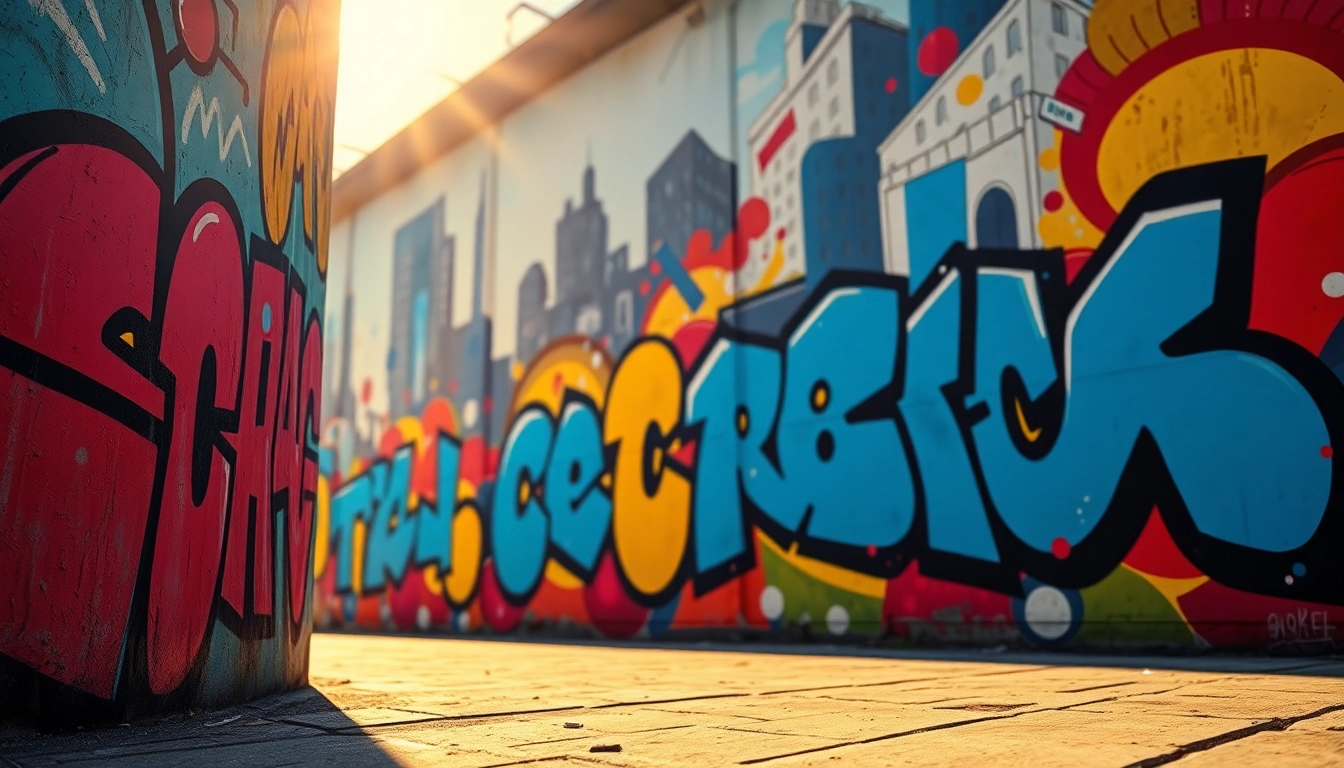
The Allure of Graffiti Wall Art
In the vibrant and ever-evolving world of art, graffiti wall art stands out as a bold expression of creativity and cultural identity. Graffiti, often viewed through the lens of urban environments, transforms blank walls into canvases that narrate stories, provoke thought, and challenge societal norms. As this art form has gained mainstream acceptance, it has also carved a unique niche for itself in home décor and public spaces, inspiring countless individuals to embrace its energy and ethos. Understanding the essence of graffiti art involves delving into its historical context, cultural significance, and the myriad forms it takes.
Understanding Graffiti Art
Graffiti art is an expressive and dynamic form of visual communication, often associated with cityscapes and urban culture. Its origins can be traced back to ancient civilizations, where inscriptions and markings conveyed messages, ownership, or artistic intent. In modern times, graffiti has evolved into a sophisticated art form, characterized by its variety of styles, techniques, and themes.
One of the compelling aspects of graffiti is its accessibility. Unlike traditional gallery art, graffiti is often created in public spaces, allowing artists to reach broader audiences. This democratization of art empowers individuals from all walks of life to share their perspectives and stories. Graffiti can serve as a form of protest, an expression of identity, or simply an aesthetic endeavor, making it a multifaceted medium worth exploring.
Historical Evolution
The history of graffiti art is rich and complex. Emerging in the 1960s and 1970s alongside the rise of hip-hop culture in New York City, graffiti began as a means of self-expression among youth, often conveying social and political messages. Artists like Keith Haring and Jean-Michel Basquiat paved the way for recognition of graffiti art as a legitimate form of artistic expression.
As the movement grew, so did the diversity of styles—from tagging and throw-ups to elaborate murals and stenciling. Each style carries its own significance and context, with some artists using it as a platform to address issues like racism, poverty, and social injustice. Over the decades, graffiti has transitioned from being viewed as vandalism to being celebrated in galleries and exhibitions worldwide, marking its evolution into an accepted art form.
Cultural Significance
Graffiti wall art serves as a reflection of cultural identity, often capturing the essence of the communities in which it resides. It can highlight local history, celebrate culture, or even challenge the status quo. Many artists draw inspiration from their backgrounds, imbuing their work with personal narratives that resonate with viewers.
Moreover, graffiti art plays a critical role in urban revitalization. Neighborhoods that embrace public art projects often see increased tourism, community engagement, and economic development. As cities look to reinvent themselves, graffiti wall art provides a canvas for residents to express pride in their heritage while inviting dialogue and collaboration.
Types of Graffiti Wall Art
Street Art vs. Fine Art
While both street art and fine art may employ similar techniques and mediums, there are distinct differences that set them apart. Street art generally refers to works created in public spaces, emphasizing accessibility and often carrying sociopolitical messages. It is characterized by its spontaneous and ephemeral nature, with many pieces intended to be temporary.
In contrast, fine art typically exists within formal settings, such as galleries and museums, and tends to adhere to more traditional artistic standards and practices. As graffiti wall art gains acceptance in the art world, many street artists have transitioned into fine art, blurring the lines between the two categories. This shift has led to a growing appreciation for graffiti as a legitimate art form worthy of collection and curation.
Murals as Statement Pieces
Murals are perhaps the most iconic form of graffiti wall art, often commanding entire building facades and offering a large canvas for artistic expression. These large-scale artworks can transform the appearance of a space, turning ordinary walls into vibrant narratives. Murals can range from intricate designs to bold, simplistic forms, each aiming to evoke emotion and provoke thought.
Communities frequently commission murals to carry messages of unity, diversity, or history, making them vital articulators of cultural narratives. Additionally, public art initiatives have gained traction, whereby local governments and organizations collaborate with artists to create works that reflect the spirit and identity of the neighborhood. This not only beautifies the environment but fosters a greater sense of community and belonging.
DIY Graffiti Projects
For those looking to bring the spirit of graffiti into their homes, DIY projects offer an exciting avenue for personal creativity. Creating your own graffiti-style artwork can be a fulfilling way to express individuality while adding a contemporary touch to interior spaces. Basic supplies like spray paint, stencils, and wall-safe markers can be used to craft stunning pieces.
Before starting your project, it's essential to consider the space you’re working with. Choose a wall that can serve as a focal point, and think about how your design will complement existing décor. There are countless online resources and tutorials that can guide beginners through the techniques of graffiti art, from basic lettering to advanced stenciling. With practice, anyone can create their own unique expressions of graffiti art that reflect personal style.
Choosing the Right Graffiti Wall Art for Your Space
Assessing Your Interior Aesthetic
When selecting graffiti wall art for your home, the first step is to evaluate your existing interior aesthetic. Contemporary, industrial, or bohemian home styles can benefit from the striking, often unconventional look of graffiti art. Consider the color palette and overall vibe of your space, as graffiti can either complement or starkly contrast with these elements.
For instance, bold, colorful graffiti may invigorate a neutral palette, while more monochromatic or subtle pieces can blend seamlessly into already vibrant environments. It's important to select pieces that resonate with your personal style while contributing to the overall harmony of the space.
Understanding Color Dynamics
The impact of color on mood and perception cannot be understated. When choosing graffiti wall art, pay attention to the colors used in the piece and how they interact with the rest of your décor. Bright colors can energize a room, while softer shades may create a tranquil atmosphere. Grafitti art often features vivid colors that can act as visual focal points, excitement, and conversation starters.
To achieve balance, consider the psychological effects of colors you choose. For example, blues and greens are calming, while reds and yellows are invigorating. By understanding color dynamics, you can curate a space that resonates with your desired ambiance.
Size and Scale Considerations
Size is an essential factor in selecting graffiti wall art. A large mural can dominate a small space, while a collection of smaller pieces may get lost in a vast room. To make the best choice, assess the dimensions of the wall and the surrounding furniture. Consider whether you want a statement piece that commands attention or a more subtle addition that complements existing elements.
In open-concept spaces, large-scale graffiti can create visual continuity, while smaller works can be grouped together to form a cohesive gallery wall. Regardless of size, the art should enhance the environment, drawing the eye without overwhelming the sensory experience of the space.
Installation and Care of Graffiti Wall Art
Best Practices for Installation
Proper installation is crucial to ensure that your graffiti wall art remains a highlight in your space. Begin by selecting the appropriate wall and preparing the surface, ensuring it is clean and smooth. For murals, it may be beneficial to use high-quality wall primer to enhance paint adhesion.
If you are using adhesive or mounting techniques for canvas or other types of graffiti art, ensure that they are designed for the weight and material to prevent damage. Additionally, consider the height at which the art will be hung; mid-range heights generally create optimal viewing angles. Lastly, don't hesitate to enlist professional help for larger or more intricate installations, as their expertise can lead to remarkable results.
Maintenance Tips for Longevity
Maintaining your graffiti wall art is essential for preserving its appearance over time. Dust and dirt can accumulate, dulling the vibrancy of colors and obscuring details. Regularly clean the surface with a soft, dry cloth or a slightly damp microfiber cloth, avoiding heavy cleaning agents that could damage the artwork.
In the case of murals painted directly on walls, ensure that protective coatings are applied to resist fading due to sunlight and to shield against moisture. Stenciled or spray paint designs may benefit from clear sealants that protect against the elements, ensuring that the artwork retains its visual integrity.
Framing Options
Framing can significantly enhance the presentation of graffiti wall art, making it feel more polished and intentional. There are various framing options available, depending on the art's medium and the style of your space. For canvas prints, gallery-style frames can add depth while remaining unobtrusive.
Floating frames are another popular choice, allowing the artwork to ‘float’ within the frame for a modern aesthetic. For smaller pieces, consider creating a cohesive gallery wall by mixing different frame styles and sizes, which can draw the eye and create a dynamic display. Pay attention to how the frame color and texture work with the graffiti's colors to form a harmonious blend.
The Impact of Graffiti Wall Art on Community
Enhancing Public Spaces
Beyond personal spaces, graffiti wall art wields the power to transform public areas. Cities worldwide have recognized the potential of graffiti to enliven urban landscapes, using art installations to breathe life into dull neighborhoods. Mural projects often serve as initiatives to encourage community involvement and beautification, fostering a sense of belonging and pride.
Well-executed graffiti can enhance local identity, attract tourists, and promote neighborhood development. By collaborating with artists, local governments can convert formerly neglected areas into vibrant artistic hubs, transforming perceptions of place and community dynamics.
Encouraging Local Artists
The rise of graffiti wall art has opened new avenues for local artists, providing platforms to showcase talent and garner recognition. When cities and organizations support local street artists through commissions or public art projects, they not only validate their expertise but also inspire future generations to engage in creative endeavors.
Artists designated to create community murals often work closely with residents to incorporate local themes and concepts into their designs. This collaborative approach ensures that the artworks genuinely reflect the spirit and stories of the community, fostering a deeper connection between art and its audience.
Creating a Sense of Identity
Graffiti wall art often celebrates cultural heritage, blending historical and contemporary narratives. By highlighting local stories and figures, artists imbue their work with significance that resonates with the community, strengthening communal ties. These artworks can become emblems of pride and identity, creating a visual language that speaks to residents and visitors alike.
As neighborhoods embrace graffiti art, the results are often profound. These colorful representations foster dialogue, inspire unity, and build a sense of belonging among residents, helping to unite diverse perspectives into a shared vision of place and identity.