Understanding Football Kits
What Are Football Kits?
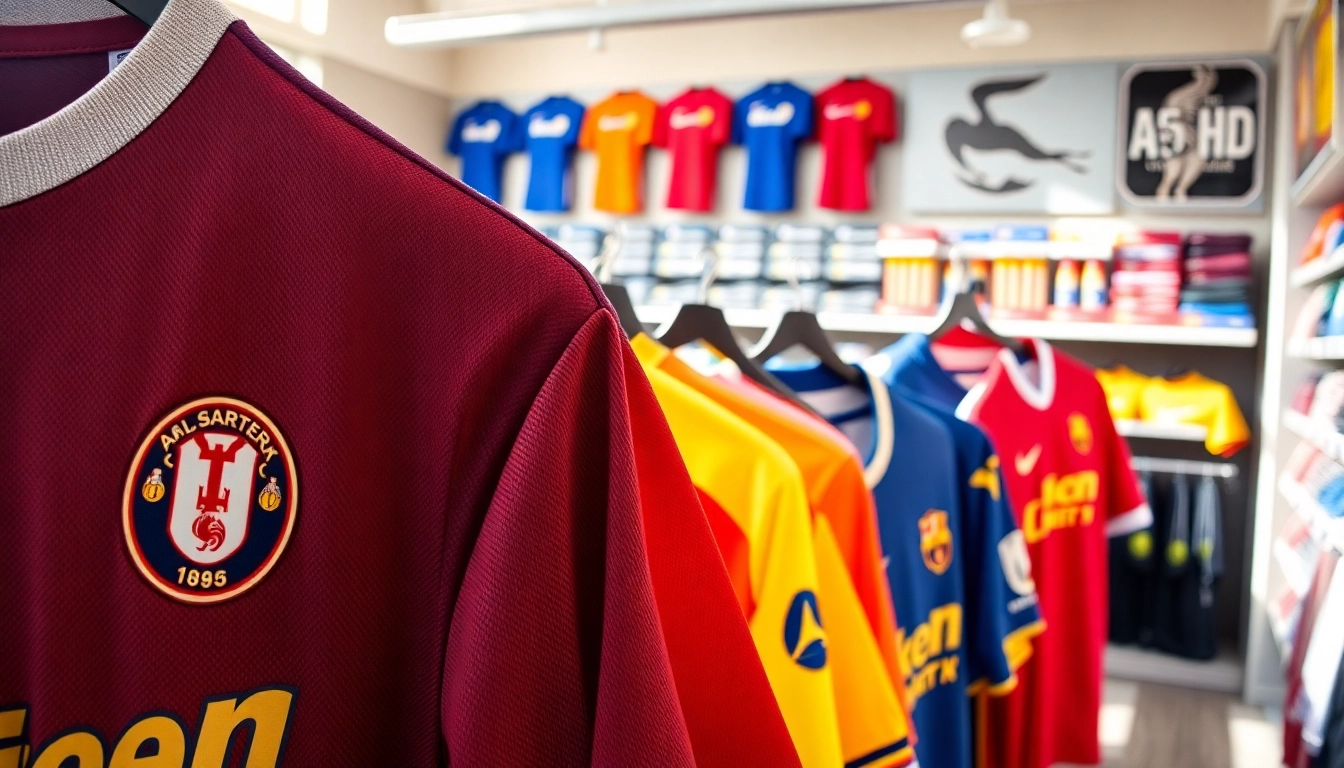
Football kits are more than just clothing; they represent the identity and spirit of teams and players. A typical football kit usually comprises a shirt, shorts, socks, and sometimes additional accessories such as tracksuits and training gear. The design and colors are often closely aligned with team branding, serving not only as functional sportswear but also as a symbol of fan allegiance.
Fans often wear these kits to show their support during matches, making authentic football kits a popular item for purchase. They can be found in various categories, including official, replica, and vintage jerseys, catering to diverse tastes and budgets.
Importance of Quality Football Kits
Quality in football kits is paramount for both performance and aesthetics. First and foremost, high-quality kits are designed with advanced materials that wick away sweat and provide flexibility during gameplay. This allows players to perform at their best without being hindered by heavy or uncomfortable attire.
Moreover, durable materials ensure that kits withstand the rigors of intense physical activity, maintaining their form and visual appeal over time. Fans also value quality when purchasing replicas, as it enhances their experience and connection to the team.
Components of a Complete Football Kit
A complete football kit typically consists of:
- Shirt: The most recognizable part of the kit, often adorned with the team's logo, player number, and sometimes sponsors’ logos.
- Shorts: Comfortable and lightweight, designed to allow for maximum movement.
- Socks: These can be knee-high or crew-length, often featuring cushioning and support for players’ feet.
- Goalkeeper Gear: Includes specialized shirts that may feature padded areas for extra protection and unique color schemes to differentiate from field players.
- Training Wear: Additional pieces such as tracksuits, training tops, and base layers complete a player’s wardrobe.
The Evolution of Football Kits
Historical Overview of Football Kits
The history of football kits dates back to the late 19th century when clubs began formalizing their identities with specific colors and patterns. Early kits were often made of heavy wool, which provided warmth but was cumbersome during games. Over the years, the introduction of lighter, synthetic fabrics has revolutionized kit design, allowing for greater comfort and functionality.
Noteworthy is how kit designs reflect cultural shifts, with famous incidents—such as the change in England's kits due to criticism by fans—highlighting the evolving relationship between teams and supporters. Vintage football kits are now highly collectible, showcasing nostalgic designs that connect fans with their club's history.
Influence of Technology on Kit Design
Technological advancements have significantly influenced football kit design, from fabric innovation to production techniques. Modern kits utilize breathable, moisture-wicking materials designed to enhance player performance. Moreover, implementing laser cutting and seamless construction techniques allows for more ergonomic fits and reduces chafing.
Beyond functionality, technology plays a role in aesthetic aspects, such as 3D printing and sublimation, allowing for intricate designs and patterns that were once impossible to achieve. Sustainability is also becoming a key focus, with brands exploring eco-friendly materials and production methods in response to environmental concerns.
Current Trends in Football Kit Styles
Today's football kits are a blend of tradition and innovation, reflecting both the club's heritage and the latest fashion trends. Bold colors and striking patterns are popular choices, while some teams opt for minimalist designs that emphasize elegance. Retro kits have made a strong comeback, allowing fans to celebrate their clubs’ history through nostalgic designs.
Moreover, customization options have expanded, enabling fans to add their names or unique designs to kits, making them more personal. Social media trends play a role in shaping what is popular, with kit unveilings teased through creative marketing campaigns that entice fans and generate buzz.
Choosing the Right Football Kits
Factors to Consider When Buying Football Kits
When selecting a football kit, several factors should come into play:
- Fit: Personal comfort is essential; therefore, selecting the correct size—whether fitted or relaxed—is vital.
- Material: Look for breathable, moisture-wicking materials that engage technology to enhance performance.
- Design: Consider personal aesthetics, club traditions, and current styles. Make sure the kit resonates with you.
- Price: Determine your budget. While high-quality kits often come at a premium, there are plenty of options across various price ranges.
- Authenticity: Decide on whether you want an authentic or replica kit, as each offers different qualities and price points.
Popular Brands in the Football Kits Market
The football kits market boasts several prominent brands that cater to various footballing needs. Recognizable labels have laid claim to the market through innovation, quality, and collaboration with top-tier teams. Each brand tends to have signature styles and materials, which can influence purchasing decisions.
Moreover, brand loyalty can also be tied closely to personal experiences or team affiliations, further guiding consumer choices. Understanding the strengths of each brand can empower buyers to select the kit that best fits their requirements.
Customizing Your Football Kits
Customizing football kits has become increasingly popular, allowing fans to personalize their support for a team. Many retailers offer custom printing options, enabling fans to add their names, favorite player’s number, or even unique designs.
Another growing trend is the customization of kit colors and styles to reflect personal tastes while still retaining the essential elements of the team’s identity. Customizing a kit can enhance the emotional connection between fans and their clubs, making every wear a significant experience.
Where to Buy Football Kits
Top Online Retailers for Football Kits
The expansion of e-commerce has transformed how football kits are bought and sold. Numerous online retailers specialize in sportswear, offering large selections of both authentic and replica kits. About 84% of consumers prefer to explore selections online before making a purchase, as this allows them to compare styles, prices, and designs from the comfort of their own homes.
Most reputable sites allow for easy filtering to locate specific teams or kit styles, with many offering customer reviews to aid decision-making. These conveniences make online shopping a preferred method for many fans looking for football kits.
Purchasing Football Kits: Benefits of Shopping Online
Shopping for football kits online comes with many advantages:
- Convenience: The ability to shop from anywhere, at any time, makes online shopping appealing to consumers.
- Variety: Online retailers typically offer a broader selection than physical stores, including limited-edition releases and exclusive designs.
- Comparative Shopping: Consumers can easily compare prices and options across different retailers.
- Customer Reviews: Online platforms usually have review sections, offering insights from fellow consumers to aid purchasing decisions.
In-Store vs. Online: Which Is Better for Football Kits?
Choosing between in-store and online purchases depends on several factors, including personal preferences and circumstances. In-store shopping allows for tactile experiences, giving consumers the chance to try on the kit before buying, ensuring the correct fit and feel. Additionally, instant gratification is a significant factor; customers can leave with their products immediately.
Conversely, online shopping offers greater selection and often more competitive prices. For fans who may live far from stores, online shopping is often the most accessible route. Balancing these aspects is critical for consumers to determine which purchasing method best suits their needs.
Caring for Your Football Kits
Washing and Maintenance Tips for Football Kits
Preserving the integrity of football kits requires careful washing and maintenance. Always adhere to the manufacturer’s washing instructions; typically, cold washes are recommended to prevent fading and shrinking. Avoid fabric softeners as they can interfere with moisture-wicking properties.
For kits featuring prints or embellishments, consider washing them inside out to protect the design. Air drying is preferable to using a dryer, as excessive heat can damage the fabric blends. Ensuring kits are cared for properly helps maintain their aesthetic appeal while prolonging their life.
How to Store Football Kits Properly
Proper storage of football kits is critical to maintaining their condition. Always fold or hang kits rather than stuffing them into drawers, as this helps avoid wrinkles and creases. Ensure that kits are stored in a cool, dry place to prevent damage from moisture or extreme temperatures, which can lead to mold or fabric degradation.
Utilizing garment bags and tissue paper can provide additional protection, particularly for vintage or treasured kits. By treating kits with care during storage, they can retain their original quality for years.
When to Replace Your Football Kits
Identifying when to replace football kits can depend on several factors, including signs of wear, outdated designs, or changes in team identity. Kits that exhibit visible damage, fading, or deterioration should be considered for replacement, particularly if they can no longer maintain performance or aesthetic standards.
Moreover, as football culture evolves, fans may choose to refresh their kits to align with contemporary styles or support newly signed players. Staying attuned to both personal condition assessments and broader cultural shifts can guide fans in determining the appropriate time for a new purchase.
In the dynamic world of football, kits play a crucial role in self-expression for players and fans alike. By understanding their importance, keeping up with trends, and knowing how to care for them, enthusiasts can enhance their experience within the beautiful game.