
Smart homes are no longer a futuristic luxury, they’re quickly becoming a modern standard. From intelligent lighting and security to whole-home automation, homeowners want convenience, efficiency, and control. But one critical question always comes first: what is the smart home setup cost in 2025?
If you’re researching smart home technology, this guide will give you a clear, experience-backed breakdown of costs, options, and value, without the sales fluff. Drawing on real-world installations and industry best practices, we’ll explore how pricing works, what impacts your investment, and how to avoid overpaying while future-proofing your home.
What Does “Smart Home Setup Cost” Really Mean?
The smart home setup cost refers to the total investment required to design, install, configure, and optimize a connected home system. This includes hardware, software, labor, system design, and ongoing support.
Unlike buying individual smart gadgets online, a professional smart home setup focuses on:
- Seamless system integration
- Long-term reliability
- Scalability as your needs grow
- A user-friendly experience
The cost varies widely because no two homes, or homeowners, are the same.
Average Smart Home Setup Cost in 2025
In 2025, smart home pricing typically falls into three broad tiers:
Entry-Level Smart Home Setup
Estimated Cost: $2,000 – $5,000
Ideal for condos, apartments, or first-time users, this level includes:
- Smart lighting in key rooms
- Smart thermostat
- Video doorbell or basic security
- App-based control
This tier focuses on convenience rather than full automation.
Mid-Range Smart Home Setup
Estimated Cost: $8,000 – $20,000
This is the most popular category for homeowners. It often includes:
- Whole-home lighting control
- Integrated security and surveillance
- Smart shades and climate control
- Multi-room audio
- Centralized automation system
At this level, professional design and installation make a significant difference in performance and reliability.
Luxury / Whole-Home Automation
Estimated Cost: $30,000 – $100,000+
Designed for high-end residences, this tier delivers:
- Fully automated lighting, climate, and shading
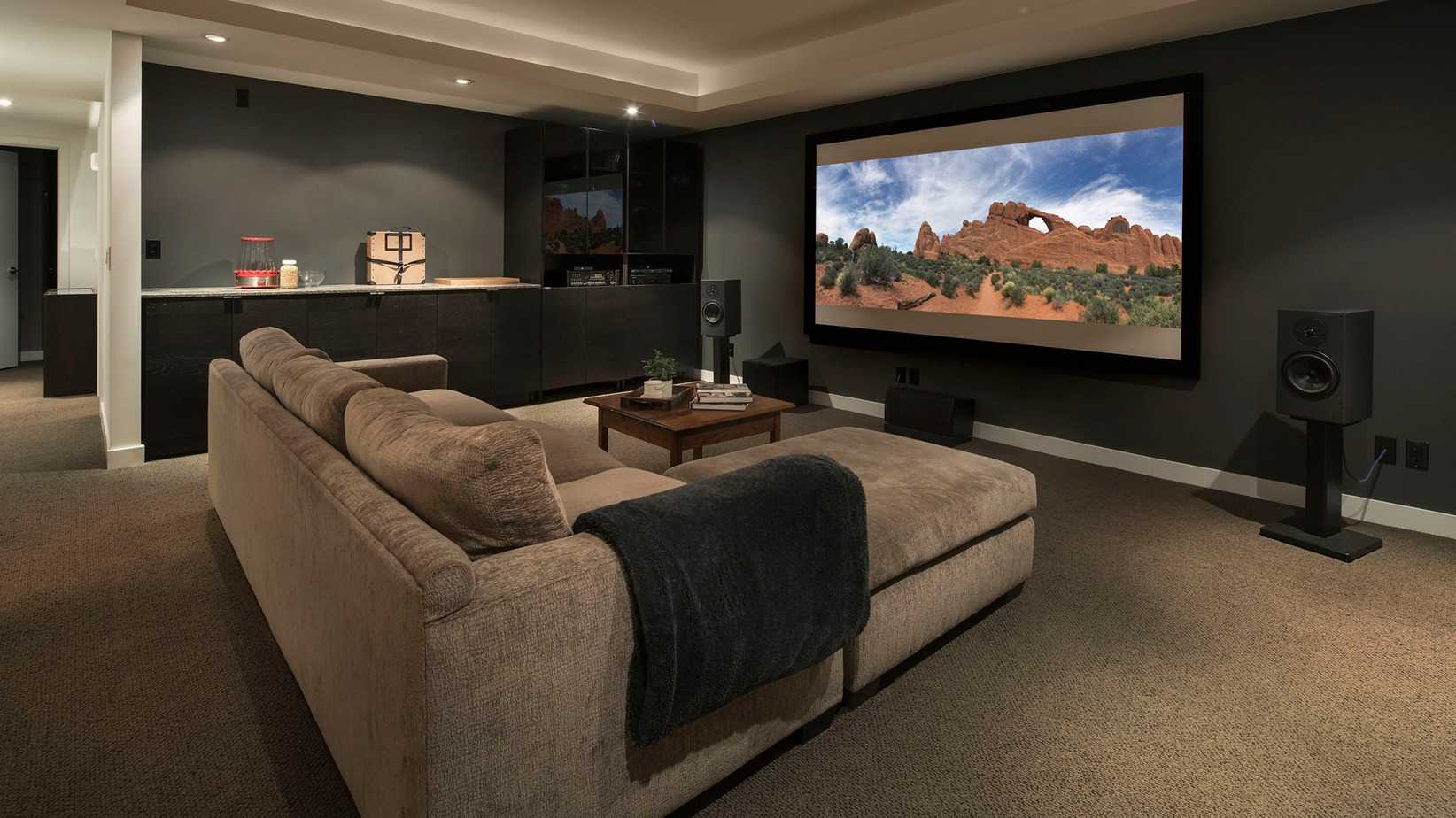
- Advanced home theater and audio
- Enterprise-gradesecurity systems
- Voice, touch, and scene-based control
- Customized user interfaces
This is where smart living becomes a seamless lifestyle experience.
Key Factors That Influence Smart Home Setup Cost
Understanding what drives pricing helps you make smarter decisions and avoid surprises.
1. Home Size and Layout
Larger homes require:
- More devices
- Additional wiring or networking
- More complex programming
Multi-story homes and outdoor areas also increase system complexity.
2. Wired vs. Wireless Infrastructure
Wireless systems are generally cheaper upfront, but:
- Wired systems offer greater reliability
- Hybrid systems balance cost and performance
Professional installers evaluate your home’s structure to recommend the best approach.
3. Type of Smart Systems Installed
Each category adds to the overall smart home setup cost:
- Lighting and dimming systems
- Security cameras and access control
- Audio and video distribution
- Smart thermostats and HVAC integration
- Motorized shades and window treatments
The more systems you integrate, the greater the value, but also the investment.
4. Level of Customization
Pre-configured systems cost less, while custom solutions:
- Offer better user experience
- Are tailored to your lifestyle
- Scale more easily in the future
Customization is often what separates a “cool gadget home” from a truly intelligent one.
5. Professional Design and Installation
Expert planning ensures:
- Proper device placement
- Clean wiring and aesthetics
- Optimized performance
- Fewer issues long-term
While DIY may look cheaper initially, professional installation often saves money over time.
Hidden Costs Homeowners Often Miss
When budgeting for smart home automation, many people overlook these factors:
- Network upgrades (routers, access points)
- Electrical work or rewiring
- Software licensing or updates
- Ongoing maintenance and support
A transparent provider will outline these upfront, not after installation.
Smart Home Setup Cost vs. Long-Term Value
It’s important to view smart home automation as an investment, not just an expense.
Energy Savings
Smart thermostats, lighting automation, and shading systems reduce energy waste, lowering monthly utility bills.
Property Value
Homes with integrated smart systems:
- Sell faster
- Appeal to modern buyers
- Command higher resale prices
Lifestyle ROI
Convenience, security, and peace of mind often outweigh the upfront cost for homeowners.
DIY Smart Home vs. Professional Installation
This is one of the most common decision points.
DIY Smart Home Setup
Pros:
- Lower upfront cost
- Easy entry point
Cons:
- Compatibility issues
- Multiple apps and controls
- Limited scalability
- Inconsistent reliability
Professional Smart Home Setup
Pros:
- Unified control system
- Expert design and integration
- Long-term support
- Future-ready infrastructure
Cons:
- Higher initial smart home setup cost
For most homeowners planning to stay long-term, professional installation offers better overall value.
How to Control Smart Home Setup Cost Without Sacrificing Quality
You don’t need to automate everything at once. Smart planning makes a big difference.
Practical Cost-Control Tips:
- Start with core systems (lighting, security, climate)
- Choose scalable platforms that allow future expansion
- Pre-wire during renovations or new builds
- Work with a local expert who understands your home and lifestyle
A phased approach lets you spread costs while building a cohesive system.
Why Local Expertise Matters
Working with a local smart home company ensures:
- Faster support
- Knowledge of regional building standards
- Personalized service
For homeowners in Arizona, Oasis Smart Homes brings hands-on experience designing systems that perform reliably in desert climates while delivering luxury-level automation.
Smart Home Setup Cost for New Builds vs. Existing Homes
New Construction
- Lower installation costs
- Cleaner wiring
- Better system integration
Existing Homes
- Slightly higher costs due to retrofitting
- Still highly achievable with the right planning
Both options benefit significantly from early consultation with automation professionals.
The Future of Smart Home Pricing
In 2025 and beyond, smart home technology is becoming:
- More modular
- More energy-efficient
- More AI-driven
While entry-level systems are becoming more affordable, premium experiences still rely on expert design and integration.
Final Thoughts: Is Smart Home Automation Worth the Cost?
So, is the smart home setup cost worth it? For homeowners who value comfort, security, efficiency, and long-term property value, the answer is yes.
The key is not spending less, but spending wisely. A well-designed smart home adapts to your lifestyle, grows with your needs, and delivers daily benefits you can feel.
Ready to Plan Your Smart Home the Right Way?
If you’re considering smart home automation and want clear guidance, expert design, and transparent pricing, explore what’s possible with a trusted local specialist.
Visit Oasis Smart Homes:https://www.oasissmarthomes.com/7255 E Adobe Dr Ste 115, Scottsdale, AZ 85255
Share this guide with fellow homeowners, subscribe for more smart living insights, or inquire today to receive a personalized smart home consultation designed around your budget and goals.