
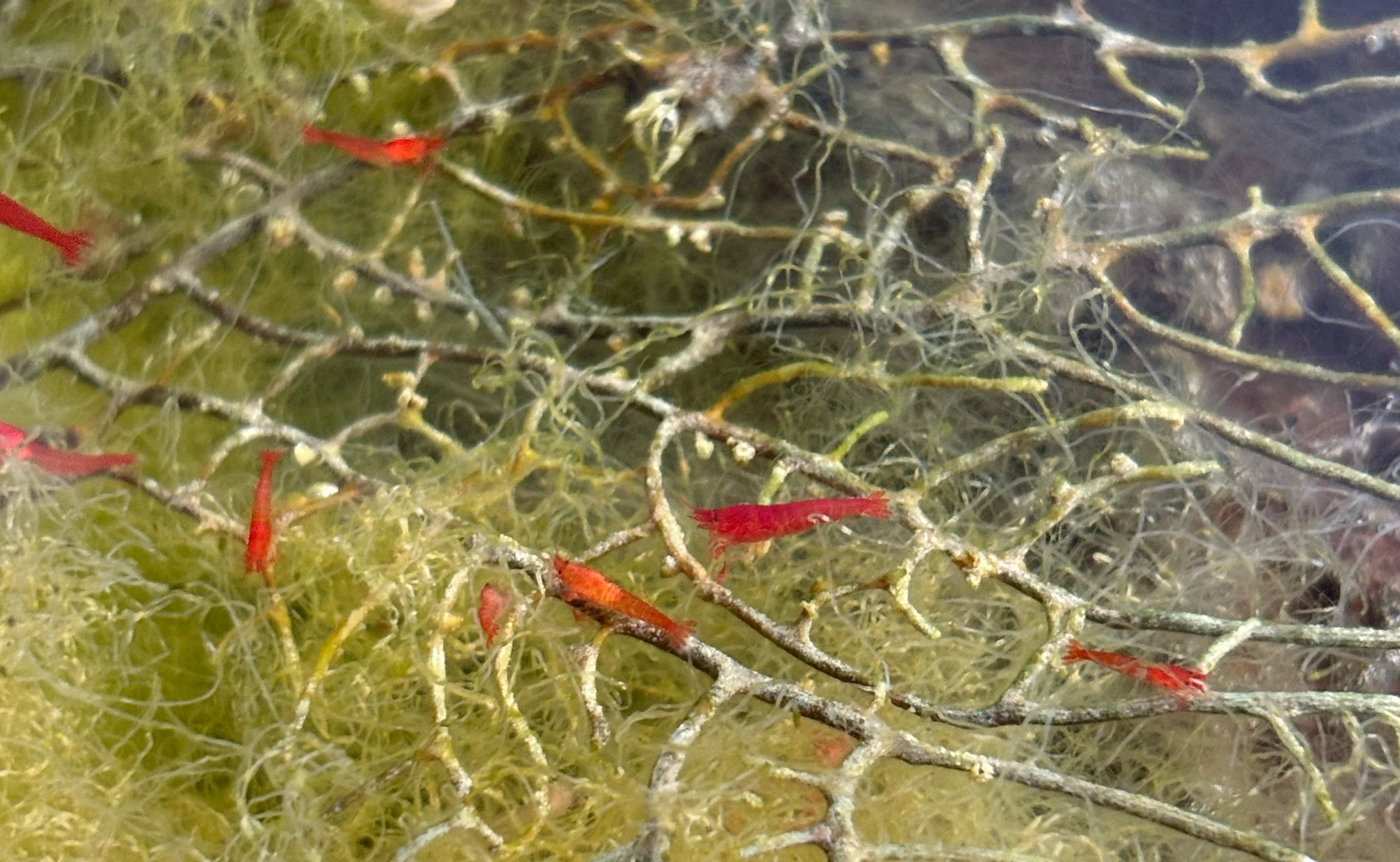
Caring for Opae ula requires a combination of proper knowledge, dedication, and the right supplies. These tiny Hawaiian shrimp, also known as red shrimp, are cherished for their vibrant color and unique behavior. Successfully keeping Opae ula in a home aquarium or natural ecosystem involves understanding their natural habitat, dietary needs, and water requirements. With the proper care routine, Opae ula can thrive, bringing both beauty and balance to your aquatic environment.
Understanding Opae Ula
Opae ula are native to Hawaiian freshwater pools and brackish water streams. These shrimp are not only resilient but also fascinating to observe due to their social interactions and bright red coloration. Maintaining a healthy population of Opae ula starts with replicating their natural ecosystem as closely as possible. This includes providing clean water, suitable substrate, and plants for shelter and breeding. By understanding the biology and behavior of Opae ula, enthusiasts can ensure long-term success in keeping them.
Setting Up the Right Habitat for Opae Ula
Creating the perfect habitat for Opae ula involves careful planning. First, select a tank or pond with proper filtration to maintain clean water. A mixture of sand and fine gravel mimics their natural substrate, while live aquatic plants provide hiding places and breeding grounds. Temperature and pH levels are critical: Opae ula thrive in slightly alkaline water with temperatures ranging from 72°F to 82°F. Monitoring water parameters regularly ensures your Opae ula remain healthy and active.
Essential Supplies for Opae Ula Care
Having the right supplies is key for thriving Opae ula. High-quality shrimp food, water testing kits, and a reliable filtration system are essential. Providing minerals and calcium supports healthy shell growth, while natural algae or biofilm serves as a supplemental food source. Additionally, accessories such as moss, driftwood, and small caves offer enrichment and encourage natural behaviors. By investing in the right supplies, Opae ula owners can maintain a balanced and visually appealing ecosystem.
Feeding Opae Ula
Feeding Opae ula is a simple but crucial aspect of care. These shrimp are omnivores, enjoying a mix of algae, shrimp pellets, and occasional protein supplements. Overfeeding can lead to water quality issues, so it’s important to provide small amounts several times a week. Observation is key—healthy Opae ula are active and have vibrant coloration, while lethargy or discoloration may indicate a need for dietary adjustments.
Breeding Opae Ula
Breeding Opae ula can be highly rewarding for hobbyists. These shrimp reproduce quickly when provided with optimal conditions. Females carry eggs under their tails until hatching, and the young require very fine food and stable water conditions. Providing a variety of hiding spots in the tank ensures the juveniles survive to adulthood. Maintaining a well-established ecosystem encourages natural breeding cycles for Opae ula, increasing their population over time.
Maintaining Water Quality for Opae Ula
Water quality is the cornerstone of Opae ula care. Regular testing for pH, ammonia, nitrites, and nitrates is essential. Conducting partial water changes and using a reliable filtration system helps maintain a clean environment. Live plants not only provide shelter but also improve water quality by absorbing nitrates. By monitoring and maintaining these conditions, Opae ula remain healthy, active, and vibrant.
Ecosystem Solutions for Opae Ula
Creating an ecosystem for Opae ula involves more than just a tank setup—it requires a sustainable environment. Incorporating natural substrates, plants, and complementary species enhances biodiversity and stability. Small snails or aquatic plants can help maintain water quality while providing additional food sources. By designing a balanced ecosystem, enthusiasts ensure that Opae ula thrive without constant intervention.
Common Challenges in Opae Ula Care
While Opae ula are relatively hardy, some challenges can arise. Poor water quality, overcrowding, and inadequate diet are common issues. Monitoring the shrimp regularly allows early detection of stress or disease. Addressing these problems promptly ensures the continued health and longevity of your Opae ula. Preventative care, proper supplies, and attention to detail are essential for overcoming these challenges.
Conclusion
Caring for Opae ula is both a hobby and a responsibility. With the right knowledge, habitat setup, and supplies, these vibrant shrimp can thrive in home aquariums or small ecosystem projects. Consistent feeding, water maintenance, and ecosystem management support their health and longevity. By focusing on quality care and sustainable practices, enthusiasts can enjoy the beauty, activity, and ecological benefits that Opae ula bring to any aquatic environment.