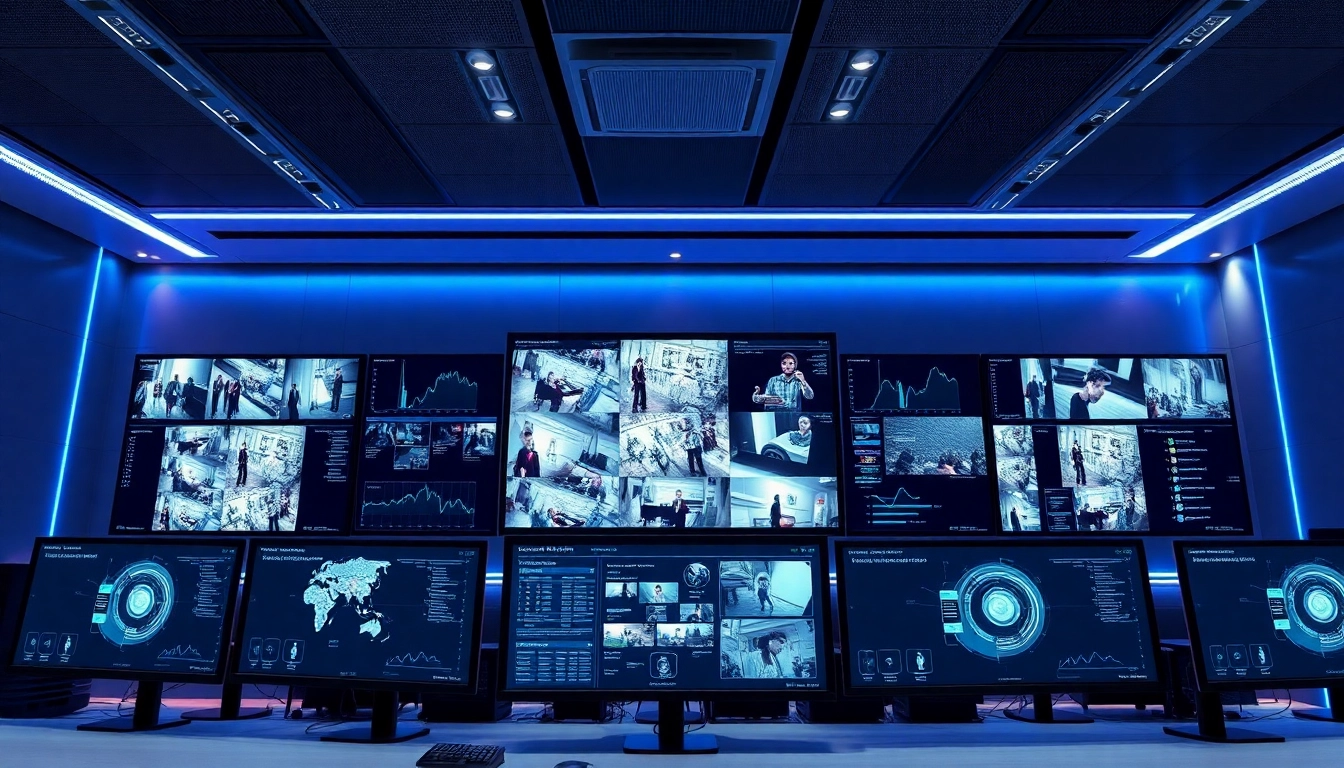
Understanding Video Analytics for CCTV
Video analytics has emerged as a revolutionary technology that enhances the efficacy of CCTV systems, transforming traditional surveillance into a dynamic asset for security management. By utilizing video analytics for cctv, organizations can gain actionable insights, improve situational awareness, and drive operational efficiency.
What is Video Analytics for CCTV?
Video analytics encompasses algorithms and software that analyze video footage in real-time to detect and classify objects, actions, and events. When applied to CCTV systems, video analytics augment traditional video monitoring capabilities, enabling surveillance systems to automatically flag incidents, track movements, and generate data-driven insights without human intervention. This technology leverages advanced machine learning and artificial intelligence to enhance surveillance capabilities, ensuring a proactive approach to security management.
Key Benefits of Implementing Video Analytics
The adoption of video analytics can lead to significant enhancements in security operations. Here are some key benefits:
- Proactive Security: Instead of passive recording, video analytics enables real-time monitoring and alerts for potential incidents.
- Time Efficiency: It drastically reduces the time spent reviewing footage by automating incident detection and classification.
- Data-Driven Insights: Organizations can leverage data collected from analytics for strategic decision-making, improving resource allocation and risk management.
- Cost Savings: By optimizing resources and reducing false alarms, companies can achieve substantial cost savings in security operations.
- Improved Accountability: Enhanced tracking and recording capabilities facilitate better accountability and transparency within organizations.
Common Applications in Security
Video analytics has various applications in the security domain, including:
- Intrusion Detection: Identifies unauthorized access to restricted areas.
- People Counting: Tracks the number of individuals entering or exiting a facility.
- Facial Recognition: Matches faces against databases for identity verification.
- Crowd Management: Analyzes crowd density and movement patterns to manage large gatherings effectively.
Types of Video Analytics Technologies
Understanding the different technologies within the video analytics realm is essential for selecting the best-fit solutions for security needs.
Object Detection and Tracking Methods
Object detection and tracking involve identifying and monitoring specific objects, such as people or vehicles, within video footage. Techniques include:
- Motion Detection: Identifies movement within camera views and alerts operators.
- Deep Learning: Utilizes neural networks to improve detection accuracy through continuous learning.
- Geofencing: Establishes virtual boundaries to track object movements across predefined areas.
Automated Alerts and Notifications
Automated alerts trigger notifications based on predefined criteria. This technology ensures that security personnel receive timely updates regarding potential threats or anomalies. Features include:
- Real-Time Alerts: Immediate notifications allow for swift responses to security breaches.
- Customizable Rules: Users can set specific parameters, such as objects entering restricted zones, for tailored alerts.
- Integration with Other Systems: Alerts can be linked with alarm systems or mobile applications for ease of access.
Facial Recognition Capabilities
Facial recognition technology utilizes unique facial features to identify or verify individuals. It is valuable in secure environments where identification is critical. Key aspects include:
- Database Matching: Compares live images with stored records to identify individuals.
- Privacy Controls: Ensures compliance with data protection regulations by enabling users to manage data effectively.
- Real-Time Processing: Processes images in real-time for immediate identity verification.
Implementing Video Analytics in Your Security System
Successful implementation of video analytics requires careful planning and execution. Below are critical steps to consider.
Choosing the Right Equipment
Selecting appropriate cameras and processing infrastructure is vital. Consider the following when choosing equipment:
- Resolution: Higher resolution cameras provide more detailed footage for accurate analytics.
- Compatibility: Ensure that equipment is compatible with chosen analytics software.
- Environmental Adaptability: Cameras must perform effectively under varying environmental conditions.
Integration with Existing Infrastructure
Integrating video analytics technology with existing security infrastructure maximizes the capabilities of your surveillance system. Key considerations include:
- Software Compatibility: Ensure that the analytics software can seamlessly integrate with existing hardware.
- Network Infrastructure: Evaluate the bandwidth requirements to support video transmission and analytics processing.
- Scalability: Consider future expansion capabilities when planning the integration.
Staff Training and Best Practices
Proper training for security personnel is essential to fully leverage video analytics capabilities. Implement the following best practices:
- Regular Training Sessions: Conduct training to keep staff updated on new features and functionalities.
- Utilize Simulation Tools: Use simulations for practical training scenarios to enhance decision-making skills.
- Feedback Mechanism: Encourage staff to provide feedback on the technology to improve usage and processes.
Challenges and Solutions in Video Analytics for CCTV
While video analytics offers numerous advantages, several challenges can arise during implementation. Addressing these challenges is crucial to achieving optimal outcomes.
Data Privacy and Ethics Concerns
As surveillance technologies evolve, so do concerns about privacy. Addressing these concerns is vital:
- Compliance: Ensure adherence to data protection regulations, such as GDPR.
- Transparency: Inform stakeholders about surveillance practices and data usage.
- Data Minimization: Collect only the data necessary for security purposes to mitigate privacy risks.
Common Technical Issues
Technical challenges may halt the progress of effective video analytics deployment. Solutions include:
- System Downtime: Establish robust monitoring systems to promptly address hardware failures.
- Data Overload: Implement analytics to filter irrelevant footage and reduce system overload.
- False Positives: Ensure that analytics algorithms are continually refined to enhance accuracy.
Cost-Benefit Considerations
Analyze the financial implications of implementing video analytics technology. Some strategies include:
- Initial Investment vs. Long-Term Savings: Evaluate how the upfront costs of implementation are outweighed by the efficiency and resources saved over time.
- Operational Cost Assessment: Conduct regular assessments to understand the ongoing costs related to technology upkeep and maintenance.
- Utilization Metrics: Measure the impact of video analytics on security threats and operational efficiency to substantiate the investment.
Future Trends in Video Analytics for CCTV
The landscape of video analytics for CCTV is continuously evolving. Understanding future trends can help organizations stay ahead.
AI and Machine Learning Enhancements
Artificial intelligence and machine learning technologies are driving transformative changes in video analytics systems. Key trends include:
- Smart Algorithms: Machines continuously learn from data, improving the accuracy of detection and classification.
- Predictive Analytics: Leveraging historical data to predict potential threats based on patterns.
- Automated Decision-Making: Systems that can independently choose responses to detected anomalies.
Integrating IoT with Video Surveillance
The integration of Internet of Things (IoT) technologies with video surveillance is enhancing connectivity and analytics capabilities:
- Connected Devices: Sensors and cameras can communicate, providing a more comprehensive view of security threats.
- Data Sharing: Enhanced data sharing between various systems leads to improved situational awareness.
- Remote Access: IoT advancements enable greater access to surveillance feeds and alerts from anywhere in real-time.
The Evolution of Real-Time Analytics
Real-time analytics showcases the ability to make instantaneous decisions based on live footage data. Trends to consider include:
- Edge Computing: Processing data closer to the source reduces latency and improves response times.
- Enhanced User Interfaces: More intuitive interfaces facilitate quicker data interpretation and decision-making.
- Holistic Security Solutions: Real-time analytics combined with other security measures fosters an integrated approach to safety.
Frequently Asked Questions
What is video analytics in CCTV?
Video analytics for security involves the identification and interpretation of motion patterns, objects, and behaviors in CCTV footage, facilitating effective monitoring and incident reporting.
How does video analytics enhance security?
Video analytics enhances security by automating detection processes, thus enabling immediate alerts for suspicious activities and enabling proactive incident management.
Can I integrate video analytics with existing CCTV systems?
Yes, video analytics can often be integrated with existing CCTV systems, provided the hardware and software are compatible for seamless operation.
What are common challenges in video analytics implementation?
Common challenges include data privacy concerns, system integration issues, technical malfunctions, and managing costs related to technology deployment and maintenance.
What trends are shaping the future of video analytics?
Future trends include the rise of AI and machine learning, increased integration with IoT, and advancements in real-time data analytics, enhancing capabilities of security systems.