Understanding Yoga AI: What It Is and How It Works
As the world becomes increasingly digitized, many practices are being influenced by technology. One of the most exciting intersections of wellness and technology is in the realm of yoga. Enter the concept of Yoga AI, a revolutionary approach that leverages artificial intelligence to enhance the yoga experience. This article investigates what Yoga AI is, how it operates, and the profound effects it can have on your practice.
The Fundamentals of Yoga AI
Yoga AI encompasses various technologies that utilize artificial intelligence to assist practitioners in their yoga routines. This includes everything from custom app algorithms that curate personalized sessions to machine learning tools designed to analyze and improve posture. By learning from user interactions and data, Yoga AI creates tailored solutions that cater to individual needs.
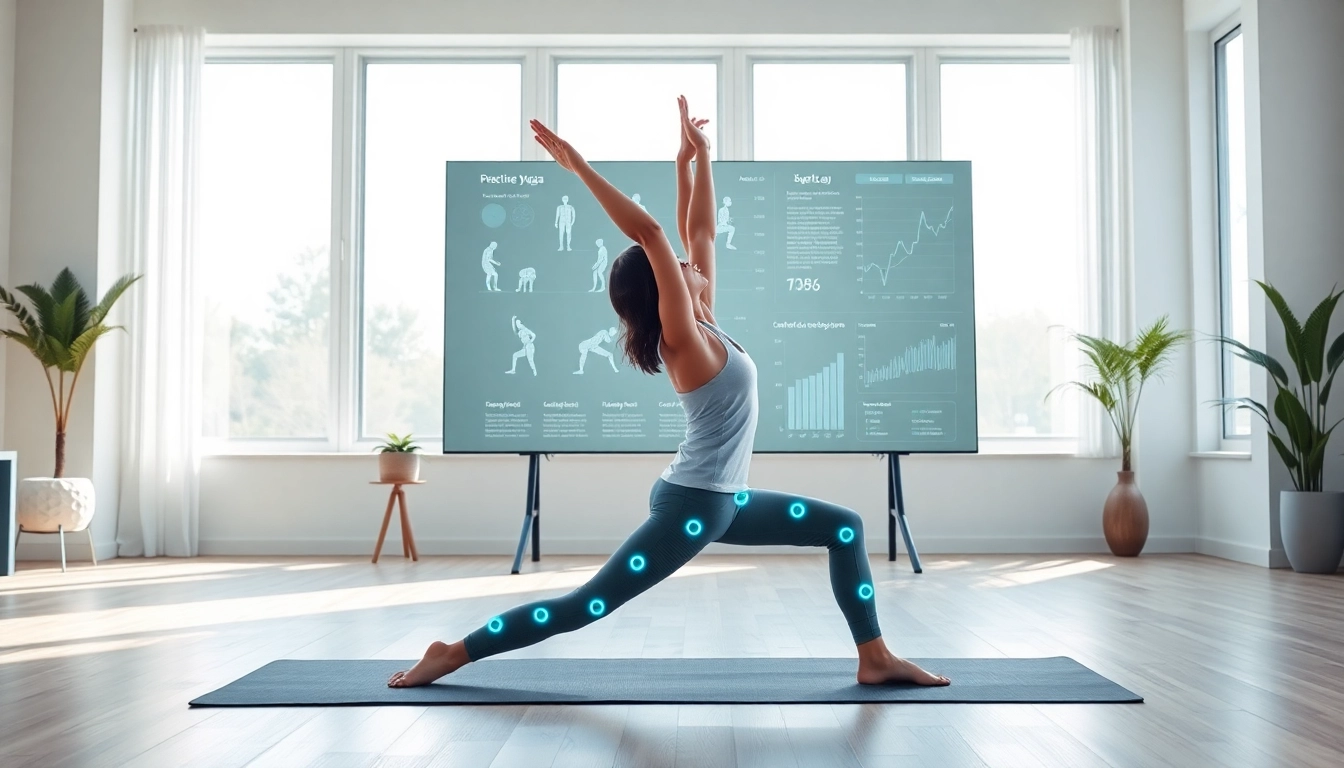
Central to the function of Yoga AI is the use of sensors and real-time feedback mechanisms. For instance, wearables and smartphone apps can monitor users’ movements during practice and provide corrective feedback on alignment and pose execution. By integrating these features, Yoga AI can transform a traditional yoga session into a dynamically interactive experience.
Benefits of Incorporating Yoga AI Into Your Routine
The benefits of integrating Yoga AI into your practice are manifold. Here are some key advantages:
- Personalization: Yoga AI tools can tailor sessions based on your fitness level, goals, and preferred styles. This customized approach helps keep routines fresh and engaging.
- Instant Feedback: With real-time feedback on your form and execution, you can make immediate adjustments to enhance your practice.
- Accessibility: Yoga AI applications break down barriers for practitioners of all levels. Whether you're a beginner or seasoned yogi, these tools help you progress at your own pace.
- Comprehensive Tracking: Many Yoga AI tools allow users to monitor their performance over time, helping to identify trends and improvements in practice.
- Enhanced Motivation: Interactive elements, such as gamification features in certain applications, can bolster motivation and foster a consistent practice routine.
Technical Setup for Effective Yoga AI Usage
To fully leverage the benefits of Yoga AI, users should follow a technical setup that ensures seamless integration of the tools into their practice. Here’s how to effectively set up:
- Select the Right Tools: Research and identify which Yoga AI applications or devices best suit your needs, considering user reviews and functionality.
- Ensure Tech Compatibility: Make sure your devices (smartphone, tablet, wearables) are compatible with the Yoga AI tools you choose.
- Understanding App Features: Familiarize yourself with the application's functionalities. This includes navigation, customization options, and how to input your data effectively.
- Regular Updates: Keep your tools and applications updated to take advantage of the newest features and improvements in Yoga AI technology.
Popular Yoga AI Applications and Tools
As Yoga AI continues to evolve, a variety of applications have emerged, each offering unique features and benefits for users. Here we explore some popular Yoga AI tools currently available.
Evaluating Key Features of Yoga AI Tools
When choosing a Yoga AI application, several key features should be evaluated to determine which tool aligns with your practice:
- User-friendliness: A straightforward interface is essential for a smooth user experience. Look for applications that are intuitive and easy to navigate.
- Interactivity: The best Yoga AI tools offer interactive sessions that adjust based on your performance.
- Data analysis: Tools that provide comprehensive insights into your sessions, such as posture accuracy and progress tracking, enhance the effectiveness of your practice.
- Community features: Many applications include social elements like sharing progress with friends or participating in challenges, helping to foster a sense of community.
Comparing Yoga AI Apps for Different Skill Levels
Not all Yoga AI applications are created equal, especially when it comes to catering to various skill levels. For beginners, applications that provide foundational tutorials and beginner-specific routines are essential. Advanced users might benefit more from apps that challenge them with complex sequences and offer deeper analytical insights into their practice.
By comparing applications, practitioners can select tools that meet their specific requirements, fostering growth and performance in their yoga journey.
User Experiences: Real-World Benefits of Yoga AI Applications
User testimonials and reviews serve as powerful indicators of the value offered by Yoga AI applications. Many users report enhanced motivation and accountability, as the interactive elements encourage them to maintain a regular practice.
Moreover, practitioners often express appreciation for the instant feedback provided by Yoga AI tools. The ability to receive corrections in real-time fosters improvement and decreases the risk of injury, making Yoga AI an invaluable asset in their routines.
Personalizing Your Yoga Practice with AI
One of the core strengths of Yoga AI lies in its capability to customize practices for individuals. Tailoring routines to meet personal needs can significantly improve engagement and results.
Creating Custom Routines with Yoga AI
Many Yoga AI applications allow users to create personalized workout sessions based on their preferences, needs, and goals. Users can input details such as their current fitness level, physical limitations, and desired outcomes. The application then generates a unique routine that grows and adapts as the user progresses.
This feature not only makes practice more enjoyable but also contributes to a more connected and sustainable yoga experience.
Adjusting Your Practice Based on Data Insights
Data-driven insights are key to evolving one’s yoga practice. Yoga AI applications often include metrics that show users their progress, such as the consistency of practice and improvements in pose accuracy.
By examining these insights, users can make informed decisions about their practice—focusing on areas needing improvement or varying their routines to prevent plateauing in progress.
Tracking Progress with Yoga AI Metrics
Progress tracking is a hallmark feature of Yoga AI applications. These metrics can range from tracking adherence to goals, engagement levels, and specific progress in yoga postures.
Effective tracking helps enthusiasts understand their growth journey, identify trends, and set new benchmarks to strive for in their practice. Many users find that visual representations of their progress motivate them to continue engaging with their yoga routines.
Challenges and Considerations When Using Yoga AI
While Yoga AI offers numerous benefits, it is also essential to address potential challenges and considerations associated with its use.
Navigating Technical Glitches in Yoga AI Tools
Technical glitches can occur in any application, including Yoga AI tools. Users may experience connectivity issues, difficulty logging in, or problems with software updates. It’s important for users to remain patient and consult customer support if they encounter significant issues. Maintaining familiarity with the platform can ease frustration and enhance user experience.
Understanding the Limitations of Yoga AI
Yoga AI tools, no matter how advanced, have limitations. While they can provide valuable feedback, they cannot replicate the nuanced understanding and emotional support offered by human instructors. It’s crucial to supplement Yoga AI use with in-person classes or one-on-one instruction when possible, especially for practitioners seeking deeper insights into their practice.
Maintaining the Human Element in Yoga Practice
Ultimately, while Yoga AI can elevate practice, it’s essential to remember the connection between mind and body fostered in traditional yoga settings. Balance the use of technology with yoga's intrinsic values: mindfulness, community, and personal growth. Cultivating this balance ensures that practitioners fully benefit from both AI advancements and the rich tradition of yoga.
The Future of Yoga and AI: Trends to Watch
The fusion of Yoga and AI is still evolving, and its future is promising. As technology continues to advance, it will offer even more sophisticated solutions and experiences for practitioners around the globe.
Innovations in Yoga AI Technology
Next-generation Yoga AI technologies may involve augmented reality (AR) or virtual reality (VR) to create immersive practice experiences. Such technologies could allow users to engage in yoga classes set in virtual environments, enhancing the sense of presence and engagement in their practice.
Moreover, advancements in machine learning will refine the adaptability of Yoga AI applications, further personalizing practices and making them more responsive to individual user needs.
Potential Impacts of Yoga AI on Traditional Practices
The rise of Yoga AI may also challenge traditional yoga methodologies. While some may view this shift as a dilution of practice, others argue it can enhance awareness and accessibility, drawing more individuals to yoga who might not engage otherwise. As such, it is important for the yoga community to remain open to innovations while simultaneously anchoring in tradition.
Staying Updated: Resources for Yoga AI Enthusiasts
For those keen to remain informed about developments in Yoga AI, various resources are available. Online forums focusing on technological advancements in yoga can offer insights, while dedicated Yoga AI blogs and publications can provide regular updates and expert opinions. Subscribing to newsletters and joining online communities can foster connections and discussions that keep practitioners engaged with the ever-evolving landscape of Yoga AI.
As Yoga AI continues to transform the way we approach yoga, embracing these technologies can provide significant benefits while also honoring the foundational principles of yoga practice. By understanding how to effectively incorporate Yoga AI into routines, practitioners can cultivate a deeper, enriched experience that balances both technical insights and traditional wisdom.