Introduction to Breakfast in Mason Jars
Mason jar breakfasts are revolutionizing the way we think about morning meals. Gone are the days of hurriedly slopping together a bowl of cereal or grabbing a coffee and muffin from the café. With the advent of Mason jar breakfasts, meal prep has reached a new level of organization and convenience. Not only do these jars offer a portable solution for busy mornings, but they also allow for creativity and customization, making breakfast an exciting part of the day. Visit https://masonjarbreakfast.com for an extensive collection of recipes and ideas!
What are Mason Jar Breakfasts?
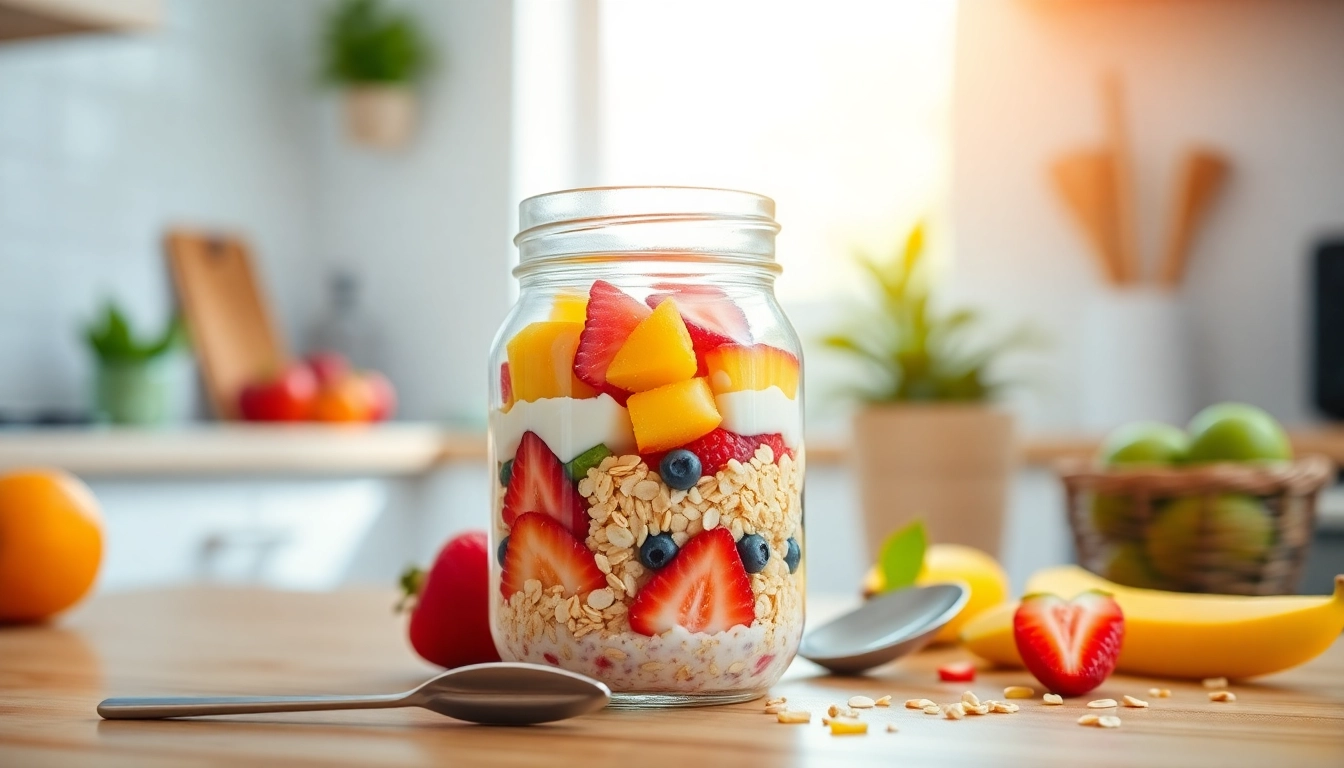
Mason jar breakfasts are meals prepared in Mason jars, which are typically glass containers designed for canning and preserving food. These jars have gained popularity due to their versatility, durability, and aesthetic appeal. Breakfasts made in Mason jars can range from overnight oats to layered smoothies, healthy egg muffins, and more, appealing to a wide variety of tastes and dietary preferences.
Benefits of Using Mason Jars for Breakfast
Using Mason jars for breakfast not only adds a touch of flair but also comes with numerous benefits. First, they are portable; you can easily screw on a lid and take your meal on the go. Second, they are airtight, ensuring your food stays fresh longer. Lastly, preparing meals in jars encourages portion control, allowing you to manage your intake effectively. Additionally, they inspire creativity with their layered presentation and can serve as an aesthetic centerpiece on any breakfast table.
How to Get Started with Mason Jar Meals
Getting started with Mason jar meals is easy and requires minimal preparation. Begin by selecting the type of meal you wish to prepare, gather your ingredients, and choose the right size jar (usually either pint or quart). Familiarize yourself with layering techniques; for example, wet ingredients should be placed at the bottom to avoid sogginess, while dry, denser ingredients should be on top. Finally, don’t forget to personalize your meals. Use seasonal fruits, vegetables, and proteins to make each jar unique and enjoyable!
Types of Mason Jar Breakfasts
Overnight Oats Recipes
Overnight oats have become a staple in the realm of Mason jar breakfasts, and for good reason. They are incredibly simple to prepare, nutritious, and endlessly customizable. The basic formula for overnight oats is combining equal parts rolled oats and liquid (like milk or yogurt) and letting them soak overnight. From there, you can add a variety of toppings such as fruits, nuts, seeds, and sweeteners. Some popular variations include:
- Berry Bliss: Combine oats with almond milk, fresh berries, and a drizzle of honey.
- Peanut Butter Banana: Use milk, peanut butter, and sliced bananas for a protein-packed start.
- Apple Cinnamon: Add diced apples, cinnamon, and a dash of maple syrup for a cozy flavor profile.
Layered Smoothie Jars
Layered smoothie jars are not only nutritious but are also visually stunning, making them a perfect choice for breakfast or a mid-morning snack. To create a layered smoothie jar, blend your base smoothie ingredients and layer them with complementary ingredients. Start by pouring some smoothie at the bottom, then add layers of fruits, vegetables, and even toppings like granola or chia seeds. Some delicious variations include:
- Tropical Paradise: A smoothie with banana, pineapple, and coconut milk layered with kiwi and chia seeds.
- Green Goodness: Spinach, banana, and almond milk layered with sliced strawberries and sunflower seeds.
- Chocolate Delight: Blend almond milk with cocoa powder and banana, layering with granola and raspberries.
Healthy Egg Muffins in Mason Jars
Using Mason jars to prepare breakfast egg muffins allows for an easy, protein-packed meal that can be enjoyed warm or cold. Simply whisk eggs with your choice of vegetables, herbs, and seasonings. Pour the mixture into Mason jars, filling them about halfway to allow room for the egg to rise as it cooks. Bake in the oven until set. Here are some favorite combinations:
- Spinach and Feta: Spinach, diced tomatoes, feta cheese, and seasonings.
- Sausage and Bell Pepper: Crumbled sausage, diced bell peppers, and shredded cheese.
- Mushroom and Swiss: Sautéed mushrooms, shredded Swiss cheese, and fresh parsley.
Ingredients for Delicious Mason Jar Breakfasts
Choosing Fresh Fruits and Vegetables
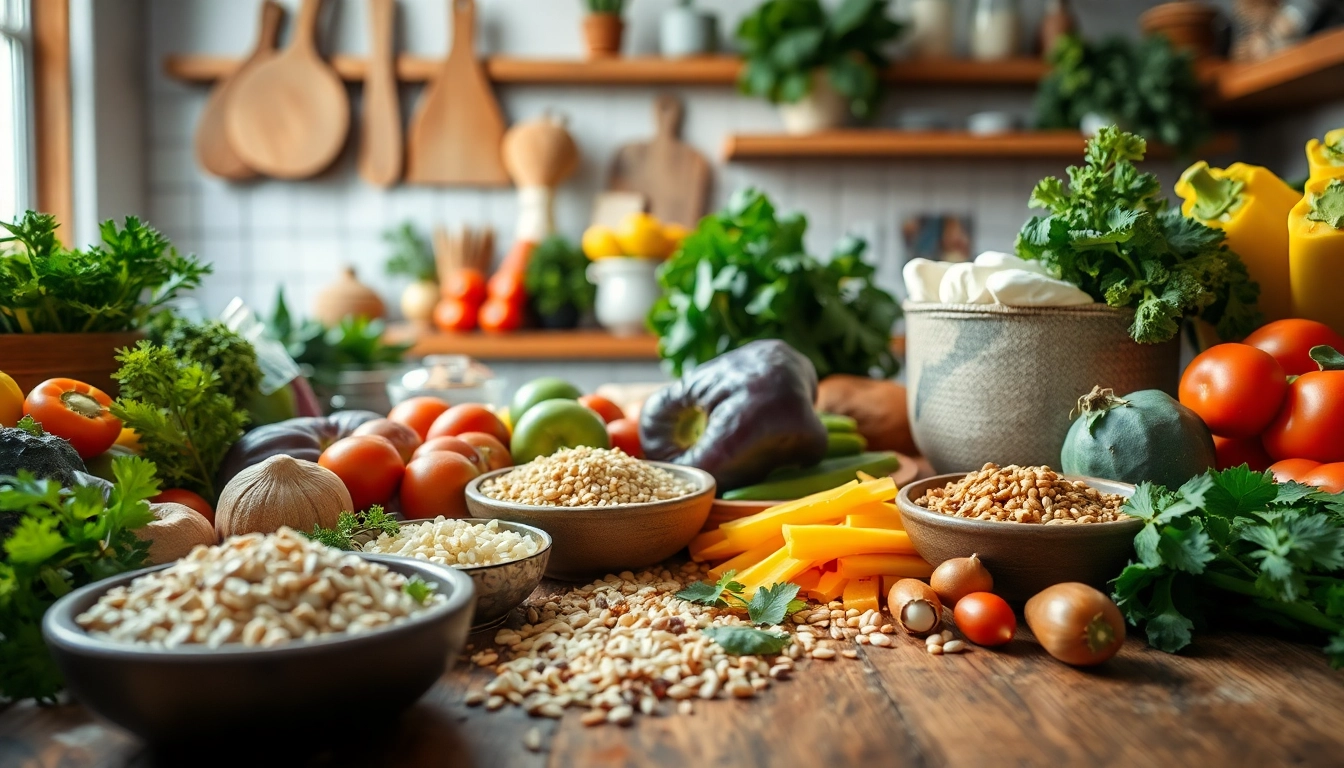
When preparing Mason jar breakfasts, selecting fresh produce is crucial. Opt for seasonal fruits and vegetables to benefit from peak flavors and nutritional value. For fruits, berries, bananas, and apples are excellent choices due to their ability to hold up well in the fridge. For vegetables, consider using sturdy options like spinach, bell peppers, and cucumbers. To enhance the nutritional profile of your breakfast jars, try to include a variety of colors, as each color represents different vitamins and minerals.
Best Grains and Proteins to Use
Whole grains and proteins are vital components of satisfying Mason jar breakfasts. Overnight oats, quinoa, and bulgur are fantastic options for grains, providing the necessary energy to kickstart the day. For proteins, consider eggs, Greek yogurt, or even nut butters. Combine different sources to create a balanced meal – for instance, pair yogurt with granola or overnight oats with nut butter for a decadent treat.
Healthy Sweeteners and Flavorings
To elevate the taste of your Mason jar breakfasts, use healthy sweeteners and flavorings mindfully. Instead of sugar, consider natural alternatives such as honey, maple syrup, or agave nectar. Spices like cinnamon, vanilla extract, and nutmeg can also enhance flavors without adding calories. Experiment with different combinations to find the perfect match for your taste buds!
Tips for Preparing Mason Jar Breakfasts
Batch Preparation for the Week
Batch preparation is one of the most effective ways to maximize the convenience of Mason jar breakfasts. Dedicate some time each week, perhaps on the weekend, to prepare several jars at once. This can involve pre-chopping fruits and vegetables, mixing dry ingredients for overnight oats, or cooking a batch of egg muffins to distribute into jars. By doing this, you streamline your breakfast routine, making it easy to grab a healthy meal on busy mornings.
Storing and Preserving Ingredients
Proper storage is essential to ensure your Mason jar breakfasts maintain freshness throughout the week. Store jars in the refrigerator for up to five days, but be cautious with fresh fruits that may spoil quicker. Keep items like nuts, granola, and delicate greens separate until it's time to eat to prevent sogginess. Mason jars also work well for freezing meals, extending their life for weeks while still preserving flavor.
Making Breakfast On-the-Go
One of the greatest advantages of Mason jar breakfasts is their portability. To make breakfast truly on-the-go, consider investing in reusable silicone sleeves or insulated bags. These can help protect your jars during commutes and keep contents at the right temperature. For added convenience, opt for recipes that can be enjoyed cold, such as overnight oats or layered smoothie jars, ensuring a nutritious meal anytime, anywhere.
Frequently Asked Questions about Mason Jar Breakfasts
Can I Use Any Jar for Breakfast Recipes?
While you can use any jar, Mason jars are recommended for their airtight seal, which keeps food fresh longer and is designed for food storage.
How Long Do Mason Jar Breakfasts Last?
Mason jar breakfasts can last about 3-5 days in the refrigerator, depending on the ingredients used. Always check freshness before consumption.
Are Mason Jar Meals Cost-Effective?
Yes, preparing meals in Mason jars can save money by encouraging meal prep, reducing food waste, and allowing you to buy ingredients in bulk.
What is the Best Way to Clean Mason Jars?
The best way to clean Mason jars is to hand wash them with warm, soapy water. They can also be placed on the top rack of the dishwasher for easy cleaning.
Can I Make Mason Jar Breakfasts in Advance?
Absolutely! Mason jar breakfasts are ideal for meal prep, allowing you to prepare several jars at once and store them in the fridge for convenient access.