Understanding Hydraulic System Maintenance
Hydraulic systems are vital in various industries, from manufacturing to automotive, providing efficient power transmission and control. However, maintaining these systems is crucial for uninterrupted operation and longevity. Effective hydraulic system maintenance ensures that equipment operates at optimal performance while preventing costly breakdowns. In this comprehensive guide, we will explore the key facets of hydraulic system maintenance in detail.
The Importance of Regular Maintenance
Regular maintenance is essential for hydraulic systems due to the high-pressure environment in which they operate. This fluid power system comprises numerous components that can wear down over time, which can lead to diminished performance and safety hazards. By performing routine maintenance, operators can:
- Extend the lifespan of hydraulic equipment.
- Enhance safety by preventing system failures.
- Reduce operational costs associated with unscheduled repairs.
- Ensure compliance with industry standards and regulations.
When maintenance is neglected, the consequences can include severe system failures, leading to expensive repairs, operational downtime, and health risks to personnel. Regular check-ups can catch minor issues before they escalate into major problems.
Common Hydraulic System Components
Understanding the primary components of hydraulic systems is crucial for effective maintenance:
- Hydraulic Fluid: The medium through which power is transmitted. Contamination can significantly affect performance.
- Pumps: Responsible for converting mechanical energy into hydraulic energy. They must be regularly checked for leaks and proper function.
- Actuators: Include hydraulic cylinders and motors, which convert hydraulic energy back into mechanical energy.
- Valves: Control the flow and pressure within the system; must be free from blockages and responsive to inputs.
- Filters: Essential for removing contaminants from hydraulic fluid, ensuring its longevity and efficiency.
Signs of Wear and Damage
Identifying wear and damage in hydraulic systems is crucial for timely intervention. Some common signs of wear include:
- Increased Operating Noise: High-pitched sounds may indicate issues with pumps or motors.
- Fluid Leaks: A visible leak can signal seal deterioration or cracked fittings.
- Abnormal Pressure Readings: Fluctuations can indicate clogs or failing components.
- Overheating: Excessive heat can be a sign of fluid degradation or pump failure.
- Reduced Efficiency: If machines are operating slower than normal, it may point to hydraulic fluid issues or component wear.
Key Maintenance Procedures
Fluid Replacement Procedures
Fluid replacement is one of the most critical maintenance tasks to maintain optimum hydraulic performance. Here’s a step-by-step guide:
- Identify the Correct Fluid: Use the manufacturer-specified hydraulic fluid type.
- Drain the Old Fluid: Use a pump or ample container to ensure a full fluid removal.
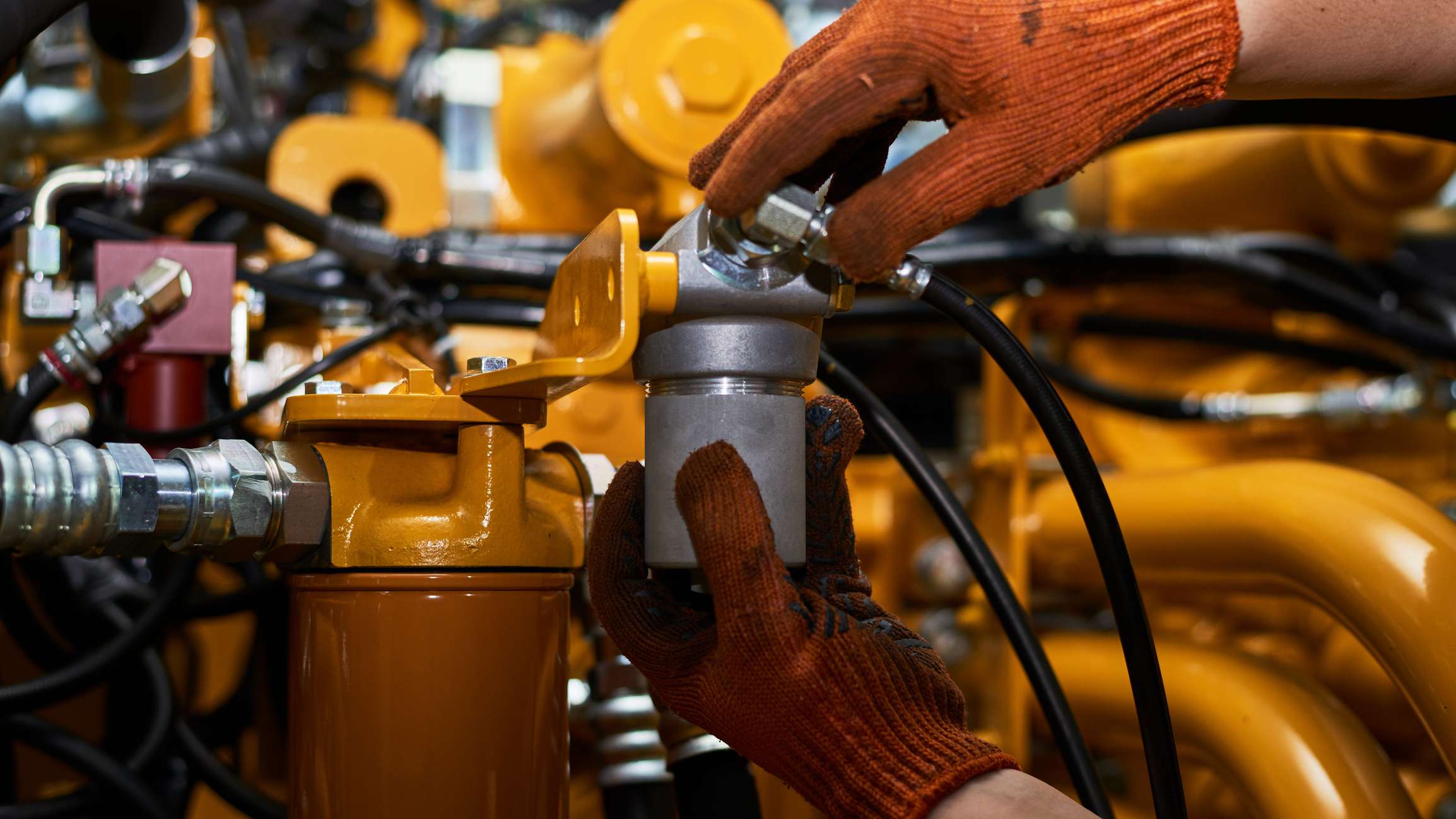
- Replace Filters: Always replace the fluid filter to prevent contamination.
- Fill with Clean Fluid: Fill the reservoir slowly, avoiding air inclusion.
- Check for Leaks: After filling, inspect all connections for leaks before closing the system.
- Test the System: Run the system to ensure all components are functioning correctly; check pressure levels.
Inspection Techniques for Components
Regular inspection is crucial in hydraulic maintenance. Here are effective techniques:
- Visual Inspection: Look for signs of physical wear, corrosion, or fluid leaks.
- Pressure Testing: Confirm that all components operate within their specified pressure range.
- Flow Testing: Ensure that fluid flows freely through all pipes and valves without obstruction.
- Dismantling Components: For thorough inspection, disassemble critical parts when needed, focusing on seals and bearings.
Sealing and Connections Maintenance
Seals and connections are critical to maintaining system integrity. Consider these steps:
- Regular Inspection of Seals: Look for signs of deterioration like cracks or excessive wear.
- Test Connection Tightness: Use a torque wrench to verify that all connections exceed recommended torque levels.
- Use Compatible Sealants: Ensure that any used sealants are compatible with hydraulic fluid to prevent degradation.
- Replace Damaged Seals Promptly: Do not wait for a leak; replace any failing seals immediately.
Tools and Equipment for Maintenance
Essential Tools for Hydraulic Maintenance
Tool selection is vital for hydraulic maintenance. The following tools are recommended:
- Torque Wrench: Ensures that connections are secured correctly.
- Fluid Transfer Pump: Facilitates proper old fluid removal and new fluid application.
- Pressure Gauges: Essential for monitoring and testing system pressure.
- Fluids Analyzer: Tests for contaminants in hydraulic fluids.
- Wrenches and Socket Sets: Necessary for disassembly and assembly of components.
Using Diagnostic Tools Effectively
Diagnostic tools can provide invaluable insights into system performance. Here’s how to utilize them:
- Analyze Pressure Readings: Use gauges to track fluctuations over time and identify potential issues.
- Fluid Quality Testing: Employ fluid analysis kits to monitor viscosity and contaminant levels.
- Thermographic Cameras: Identify overheating components without direct contact, revealing hot spots.
- Ultrasonic Leak Detectors: Find leaks early before they become problematic.
Choosing Quality Components
The effectiveness of hydraulic systems hinges on the quality of components. Tips for choosing the right components include:
- Manufacturer Reputation: Only source from reputable manufacturers known for quality.
- Compatibility: Ensure components are compatible with existing systems and fluids.
- Warranties and Support: Opt for products that come with strong warranties and customer support.
- Regular Reviews: Reassess supplier quality periodically to ensure continued performance.
Preventive Measures and Best Practices
Routine Checklists for Maintenance
Establishing a routine maintenance checklist can simplify the process:
- Check hydraulic fluid levels and quality.
- Inspect components for leaks and wear.
- Test operational pressure and performance.
- Ensure filters are clean and functional.
- Verify the integrity of hoses and fittings.
Training for Personnel
Investing in personnel training is crucial for effective maintenance. A well-trained team can:
- Identify issues before they escalate into system failures.
- Perform maintenance tasks correctly to avoid misunderstandings.
- Ensure adherence to safety protocols when servicing hydraulic systems.
- Stay informed about the latest maintenance techniques and technologies.
Common Mistakes to Avoid
Avoiding common maintenance mistakes can significantly enhance system reliability:
- Neglecting Fluid Contamination: Failing to monitor fluid cleanliness can damage components.
- Ignoring Manufacturer Guidelines: Always follow the maintenance guidelines stipulated by equipment manufacturers.
- Overlooking Pressure Checks: Not routinely checking pressure can lead to unnoticed issues.
- Delaying Repairs: Immediate attention is required for any signs of wear or damage.
- Inadequate Documentation: Maintain detailed records of maintenance activities for better tracking.
Measuring Maintenance Effectiveness
Performance Metrics to Track
Monitoring key performance metrics helps assess maintenance effectiveness:
- Downtime: Measure the duration of system unavailability due to maintenance issues.
- Repair Costs: Track expenses related to repairs and maintenance services.
- Fluid Quality Indicators: Monitor viscosity changes and contamination levels over time.
- System Efficiency: Analyze the output and efficiency rates of hydraulic systems regularly.
Adjusting Maintenance Plans
Adapting maintenance strategies is critical as systems evolve. Consider these tactics:
- Regularly review performance metrics to pinpoint areas for improvement.
- Adapt maintenance schedules based on actual component wear rates rather than assumptions.
- Solicit feedback from personnel performing maintenance to identify gaps in practices.
- Incorporate new technologies and techniques as they become available.
Continuous Improvement Strategies
Implementing continuous improvement in hydraulic maintenance optimizes performance:
- Benchmarking Best Practices: Compare your practices with industry standards to enhance efficiency.
- Seek External Audits: Bringing in external experts can identify overlooked areas for improvement.
- Engaging Employees: Encourage feedback from maintenance staff to foster a culture of continuous improvement.
- Training Updates: Regularly update training sessions to incorporate new findings and technologies.
Frequently Asked Questions
1. How often should hydraulic systems be maintained?
Hydraulic systems should undergo maintenance on a regular basis, ideally every three to six months, depending on usage and operational conditions.
2. What are the signs of hydraulic fluid contamination?
Signs of contamination include discoloration, a burning smell, or the presence of particulates or foam in the fluid.
3. Can I use universal hydraulic fluid for my equipment?
Using universal hydraulic fluid can be safe, but always check manufacturer specifications to ensure compatibility.
4. How do I identify leaks in a hydraulic system?
Leaks can be identified through visual inspections and by monitoring fluid levels and pressure readings for anomalies.
5. What should I do if my hydraulic system overheats?
Shut down the system immediately, allow it to cool, inspect for issues, and check fluid levels before restarting.