Understanding the Smog Check Process
What is a Smog Check?
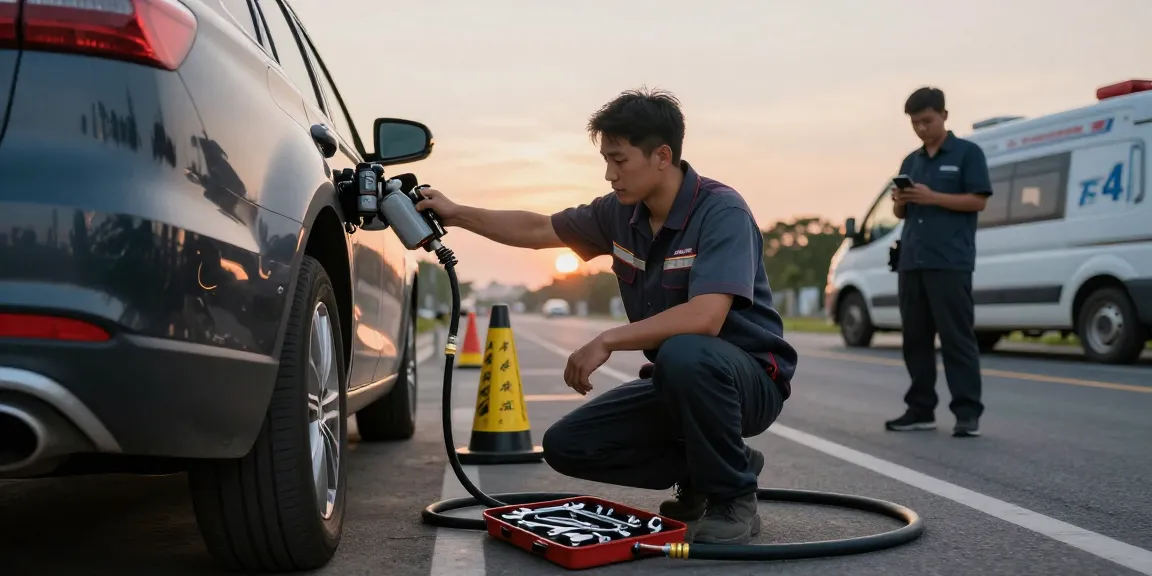
A smog check, also known as an emissions inspection or smog inspection, is a test conducted on vehicles to measure the amount and type of pollutants emitted from the engine. This vital process helps to ensure that vehicles comply with state and federal environmental regulations. The smog check evaluates how well a vehicle’s exhaust system is performing. The ultimate goal is to minimize the negative impact of vehicle emissions on air quality, making it an essential part of vehicle maintenance, particularly in urban areas where air pollution can affect public health.
Why Smog Checks are Important
The importance of smog checks cannot be overstated. They play a crucial role in maintaining air quality standards established to protect public health and the environment. By ensuring that vehicles are not emitting excessive pollutants, smog checks help reduce smog formation, improve overall air quality, and promote healthier living conditions. Furthermore, failure to comply with smog check regulations can result in penalties, making regular inspections not only essential for environmental reasons but also for vehicle owners' compliance with the law.
How Often Should You Get a Smog Check?
The frequency of smog checks varies by state and vehicle type. Generally, most states require a smog check every two years for vehicles older than a certain model year. It's essential to check your local regulations, as specific conditions, such as changes in ownership or if the vehicle has been modified, might necessitate more frequent inspections. Staying informed about your state’s regulations and being proactive about scheduling your smog checks can prevent potential fines and ensure your vehicle is environmentally friendly.
Preparing for Your Smog Check
Required Documentation for a Smog Check
Before heading to a smog check station, ensure you have all necessary documentation. Typically, drivers will need to present the vehicle registration, proof of insurance, and any applicable permits. In some instances, especially for new residents, you may also require a previous smog check certificate, particularly if you are transferring ownership of the vehicle or registering an out-of-state vehicle. Being prepared with these documents can streamline the process and minimize delays.
How to Choose a Smog Check Station
Choosing the right smog check station is essential for a hassle-free experience. Look for licensed and certified stations to ensure the technicians are qualified to carry out checks accurately. Reading online reviews can provide insight into the reliability and efficiency of various stations. Additionally, considering the location and wait times might also influence your choice. Some stations even offer online booking, allowing you to schedule your appointment conveniently.
Common Tips to Ensure a Successful Inspection
To enhance the chances of passing your smog check, follow these practical tips:
- Ensure proper maintenance of your vehicle, including regular oil changes and air filter replacements.
- Check tire pressure and ensure your tires are adequately inflated.
- Take your vehicle for a short drive prior to the inspection to ensure the engine is warmed up, as this can lead to more accurate results.
- Clear any engine warning lights that may be illuminated, as these can result in an automatic failure.
Smog Check Costs and Fees
Typical Costs for a Smog Check
The cost of a smog check can vary significantly based on location and type of vehicle being inspected. On average, prices may range from $20 to over $70 depending on state regulations and additional services offered by the inspection station. In certain areas, emissions tests for diesel vehicles may come with higher fees compared to gasoline vehicles due to more stringent testing requirements.
Factors Influencing Smog Check Prices
Several factors can influence the price of smog checks, including:
- Geographical location: Urban areas with stricter regulations may charge higher fees.
- Type of vehicle: Larger vehicles or those with higher emissions may incur additional charges.
- Type of inspection: Comprehensive inspections that require more time and technology can result in higher costs.
Understanding Re-inspection Fees
If your vehicle fails the initial smog check, you may face re-inspection fees. These fees vary from station to station and may be waived if the re-check is conducted within a certain period after repairs have been made. Always inquire about the re-inspection policy at the smog check station you choose to avoid unexpected expenses. Understanding the potential costs involved can better prepare you for navigating the entire smog check process.
Common Issues Detected During Smog Checks
Understanding Emission Failures
Emission failures can arise from various issues related to the vehicle’s exhaust and engine systems. Common failure points include:
- Faulty oxygen sensors: These critical components regulate fuel and air ratios and can affect vehicle emissions when malfunctioning.
- Exhaust leaks: Leaks in the exhaust system may lead to excess emissions, causing a vehicle to fail the smog check.
- Check engine light: If this light is on, it indicates a fault that could lead to emissions issues; often, diagnostics won't pass under this condition.
How to Fix Common Problems
Addressing common problems found during a smog check often involves both diagnosing and repairing the underlying issues. For instance, replacing faulty oxygen sensors or repairing exhaust leaks can often resolve failures. Consulting a certified mechanic for a pre-inspection check can help identify potential problems before undergoing a formal inspection. Additionally, routine vehicle maintenance can proactively prevent issues that may lead to emission failures.
When to Recheck After Repairs
After addressing issues that led to an initial smog check failure, it’s crucial to schedule a recheck promptly. Most states allow a grace period of 30 days for the recheck without incurring additional fees. However, during busy periods, waiting too long may result in additional costs or penalties. Keeping track of repairs and maintaining communication with your chosen smog check station can ensure a smooth re-inspection process.
FAQs about Smog Check
What Does a Smog Check Entail?
A smog check involves an inspection of your vehicle's emissions system to evaluate the amount and types of pollutants emitted. It typically includes exhaust gas analysis and a visual inspection of the emissions components.
When is a Smog Check Required?
Smog checks are typically required every two years for vehicles older than a specific model year, as mandated by state regulations. Some states may have additional requirements for specific vehicle types.
What Vehicles Are Exempt from Smog Checks?
Exemptions may apply to certain vehicles, including hybrids, electric vehicles, and newer models under a specified age. Additionally, classic cars often have different regulations regarding emissions testing.
Can I Drive Without a Smog Check Certificate?
Driving without a valid smog check certificate may result in fines or penalties, depending on your local regulations. It’s essential to ensure compliance to avoid legal issues.
Where Can I Find My Local Smog Check Station?
Finding a local smog check station can be done through state or local government websites, which often provide an online directory or searchable database of certified locations. Smog Check services can also be located through mobile applications designed for vehicle services.