Getting Started with Gardening
Gardening is not just a hobby; it’s an enriching practice that connects you to nature, enhances your living environment, and can even promote mental well-being. Whether you have a sprawling backyard or a modest balcony, starting your gardening journey requires some foundational knowledge. From understanding your space to selecting the right tools, this guide aims to elevate your experience and help your plants flourish. If you’re ready to embark on your Gardening journey, let's dig in.
Understanding Your Space for Gardening
Before you plant your first seed, assessing your available space is essential. Consider the following factors:
- Sunlight: Most plants require full or partial sunlight. Observe how sunlight moves across your space throughout the day. Record the hours of light and shade to align the types of plants with their sunshine needs.
- Soil Quality: Testing your soil's pH and nutrient levels is vital. A simple soil test kit can reveal whether your soil is sandy, clay, or loamy, helping you determine how well it will support plant growth.
- Water Access: The proximity to water sources will dictate how easily you can maintain your garden. Ensure you're set up to provide consistent watering, be it through a hose, watering can, or irrigation system.
Choosing the Right Tools for Gardening Success
No gardener can thrive without the right tools at hand. Here’s a list of essential tools for every gardener:
- Hand Trowel: Perfect for planting, digging, and moving small amounts of soil.
- Pruning Shears: Essential for shaping plants and removing dead or overgrown branches.
- Gardening Gloves: Protect your hands from soil, thorns, and potential irritants.
- Watering Can or Hose: Choose based on the size of your garden and your personal preference for watering.
- Rake and Hoe: Necessary for soil preparation and removal of debris.
Investing in quality tools will save time and effort, making your gardening experience much more enjoyable and efficient.
Soil Preparation and Fertilization Techniques
Soil is the cornerstone of a successful garden, and preparing it properly can make or break your gardening efforts. Here’s how:
- Clearing the Area: Remove weeds, rocks, and debris. A clean slate will ensure that your plants aren't competing for resources.
- Tilling: Aerate the soil by tilling or turning it over to mix organic matter into the existing soil. This can improve drainage and nutrient availability.
- Fertilization: Based on your soil test results, incorporate organic fertilizers like compost, manure, or specialized garden fertilizers. Nutrient-rich soil is key for growth.
Don't forget to also consider mulch. Adding a layer of mulch can help retain moisture and suppress weeds, creating a better environment for your plants.
Choosing Plants for Your Garden
Selecting the right plants is a crucial step in gardening success. Not every plant will thrive in every environment, so understanding seasonal changes and regional characteristics plays an essential role.
Seasonal Plants and Their Growth Cycles
Understanding the growth cycles of seasonal plants will enhance your gardening efforts significantly. Here are some examples:
- Spring Plants: Cool-weather crops like lettuce, peas, and radishes thrive in early spring before the heat of summer.
- Summer Plants: Tomatoes, peppers, and cucumbers require warm temperatures and benefit from planting after the last frost.
- Fall Plants: Root vegetables like carrots and beets can be planted in late summer for a fall harvest.
- Winter Plants: Consider growing evergreens or cold-resistant plants that can add beauty even in the colder months.
Native Plants vs. Non-Native Plants in Gardening
Deciding whether to plant native or non-native species can have significant ecological implications:
- Native Plants: These plants are adapted to local conditions and require less maintenance. They help sustain local wildlife, particularly pollinators.
- Non-Native Plants: While they may offer unique aesthetics or fruit, they often require more water, fertilizers, and can become invasive.
Opting for native plants can create a sustainable gardening environment that benefits both you and the local ecosystem.
Companion Planting for Better Yields
Companion planting is a traditional gardening practice that involves placing different plants in close proximity to enhance growth. Here’s how it works:
- Maximizing Space: By planting certain species together, you can utilize space optimally while ensuring that plants benefit from each other's growth.
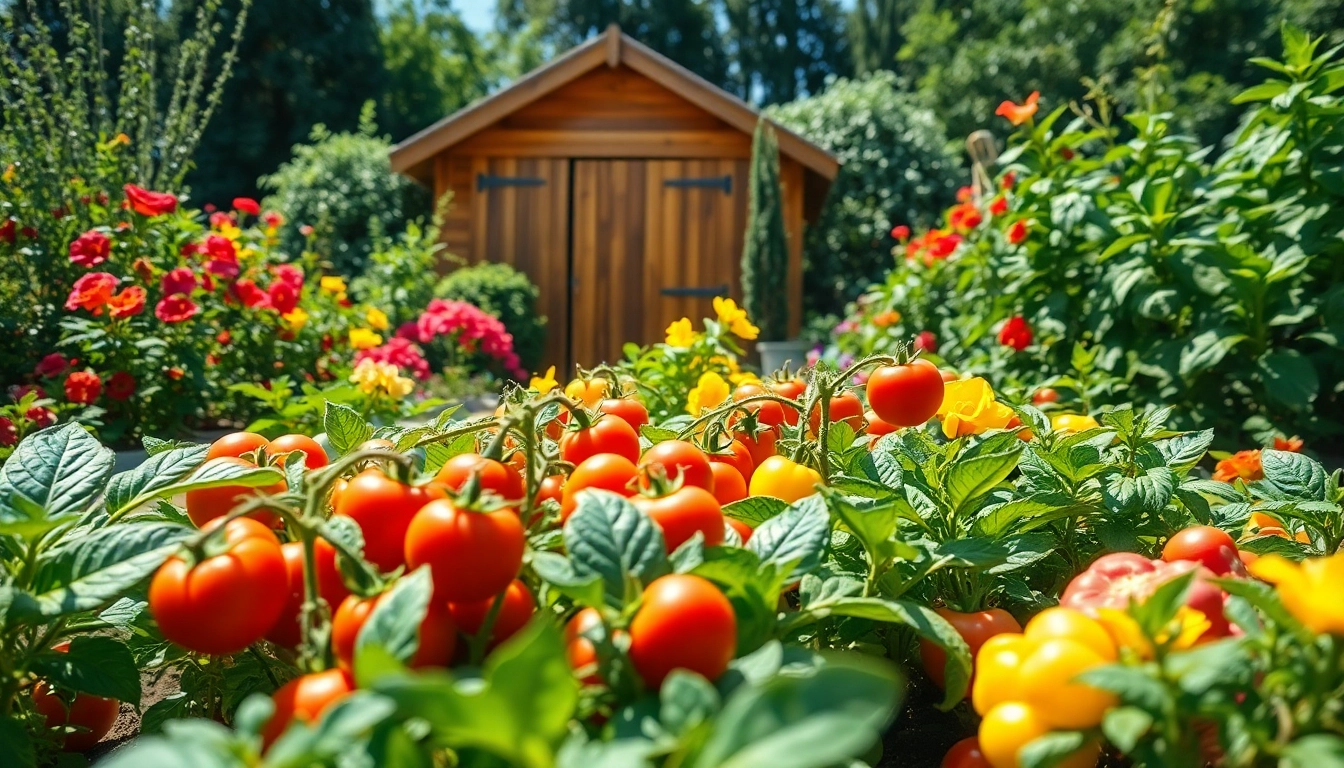
- Pest Control: Some plants deter pests naturally. For example, marigolds are known to repel various insects, while basil can enhance the flavor of tomatoes when planted together.
- Soil Enhancement: Certain plants help improve soil quality and nutrient availability through their root systems, such as legumes fixing nitrogen in the soil.
Sustainable Gardening Practices
Adopting sustainable gardening practices is essential for minimizing your environmental impact while promoting healthier ecosystems. Here’s how you can implement these strategies:
Implementing Organic Gardening Methods
Organic gardening emphasizes natural processes and avoids synthetic fertilizers and pesticides. Adopting organic practices can enhance the quality of your garden:
- Natural Pest Control: Utilize beneficial insects like ladybugs or introduce traps to manage pest populations rather than relying on synthetic pesticides.
- Organic Fertilizers: Use compost, worm castings, or organic meal to enrich your soil without the chemical additives that synthetic fertilizers might contain.
- Diversifying Crops: Plant a variety of species to create a balanced ecosystem, thereby reducing susceptibility to pests and diseases.
Water Conservation Techniques for Gardening
Water is an essential resource for gardening, making conservation techniques vital. Here are some effective methods:
- Drip Irrigation: This method delivers water directly to plant roots, minimizing waste and ensuring efficient usage.
- Rain Barrels: Collect rainwater to use in your gardening efforts. It’s an eco-friendly approach that reduces dependency on municipal water.
- Mulching: Adding mulch not only controls weeds but also retains moisture in the soil—reducing the need for frequent watering.
Attracting Pollinators to Your Garden
Pollination is crucial for fruit and vegetable production, and you can increase pollinator activity in your garden by:
- Planting a Variety of Flowers: Diverse flowering plants provide food and habitat for various pollinators, including bees, butterflies, and hummingbirds.
- Creating Shelter: Providing habitats like bee hotels or native plant patches encourages more pollinators to visit.
- Avoiding Pesticides: Reducing or eliminating chemical pesticide usage helps maintain healthy populations of pollinators.
Maintenance for a Vibrant Garden
Maintenance is an ongoing aspect of gardening that can spell the difference between a thriving garden and a struggling one. Address these maintenance tips effectively:
Effective Weed Control Strategies
Weeds compete with your plants for nutrients and water, making weed management essential:
- Mulching: As mentioned earlier, a proper layer of mulch can suppress weed growth significantly.
- Hand Weeding: Regularly check your garden and manually pull out any invasive plants before they spread their seeds.
- Cover Crops: During the off-season, planting cover crops can prevent weed growth and enhance soil health.
Fertilization and Soil Health Maintenance
Maintaining soil health is an ongoing task. Here are some ways to ensure your soil remains fertile:
- Regular Testing: Test the soil at least once a year to monitor pH levels and nutrient content, adjusting your fertilization plans accordingly.
- Crop Rotation: Changing the location of plants every season can prevent nutrient depletion and minimize pest and disease buildup.
- Adding Organic Matter: Regularly incorporate organic matter such as compost to improve soil structure and fertility.
Pest Management in Gardening
Effective pest management is crucial for a healthy garden. Consider the following strategies:
- Regular Monitoring: Inspect plants routinely for any signs of pests or diseases, enabling early intervention when necessary.
- Natural Predators: Encourage beneficial insects that prey on common garden pests. For example, ladybugs target aphids.
- Physical Barriers: Utilize row covers or netting to protect vulnerable crops from pests without chemicals.
Advanced Gardening Techniques
As you grow more comfortable with basic gardening, consider exploring advanced techniques to optimize your gardening skills.
Vertical Gardening Ideas for Small Spaces
Vertical gardening is perfect for small areas and can maximize your garden's productivity. Here are some ideas:
- Living Walls: Create a wall of plants using pots and trellises, or use wall-mounted planters to grow flowers, herbs, or small vegetables.
- Hanging Planters: Use hanging baskets for trailing plants like strawberries or herbs to conserve space while beautifying your environment.
- Pallet Gardens: Repurpose wooden pallets as vertical planting structures for herbs, flowers, or even small root vegetables.
Hydroponics and Aquaponics Explained
Hydroponics utilizes nutrient-rich water instead of soil, while aquaponics combines this method with fish farming. Both can yield rapid growth in controlled environments:
- Hydroponic Systems: Systems like nutrient film technique (NFT) or deep water culture (DWC) are excellent for vegetables and herbs.
- Aquaponics Systems: Combining fish farming with hydroponics creates a symbiotic environment where plants clean the water for fish, and fish waste fertilizes the plants.
- Initial Setup Costs: While the setup can be more expensive, the gains in plant production can far outweigh initial investments.
Using Technology to Enhance Your Gardening Results
Modern technology offers various solutions to improve the efficiency of your gardening. Here are a few:
- Smart Watering Systems: Devices can monitor soil moisture and automate watering based on real-time conditions.
- Garden Planning Apps: Many apps can assist you in planning garden layouts, tracking growth cycles, and providing reminders for maintenance tasks.
- Soil Sensors: These devices measure pH, moisture, and nutrient levels in your soil, enabling more precise gardening.
Embarking on your gardening journey is exciting and fulfilling. With the insights outlined in this guide, you are well-equipped to build a thriving garden that can provide beauty, sustenance, and an enriching experience. Remember that gardening is also a continuous learning process, so don't hesitate to experiment and adapt your strategies as you grow!