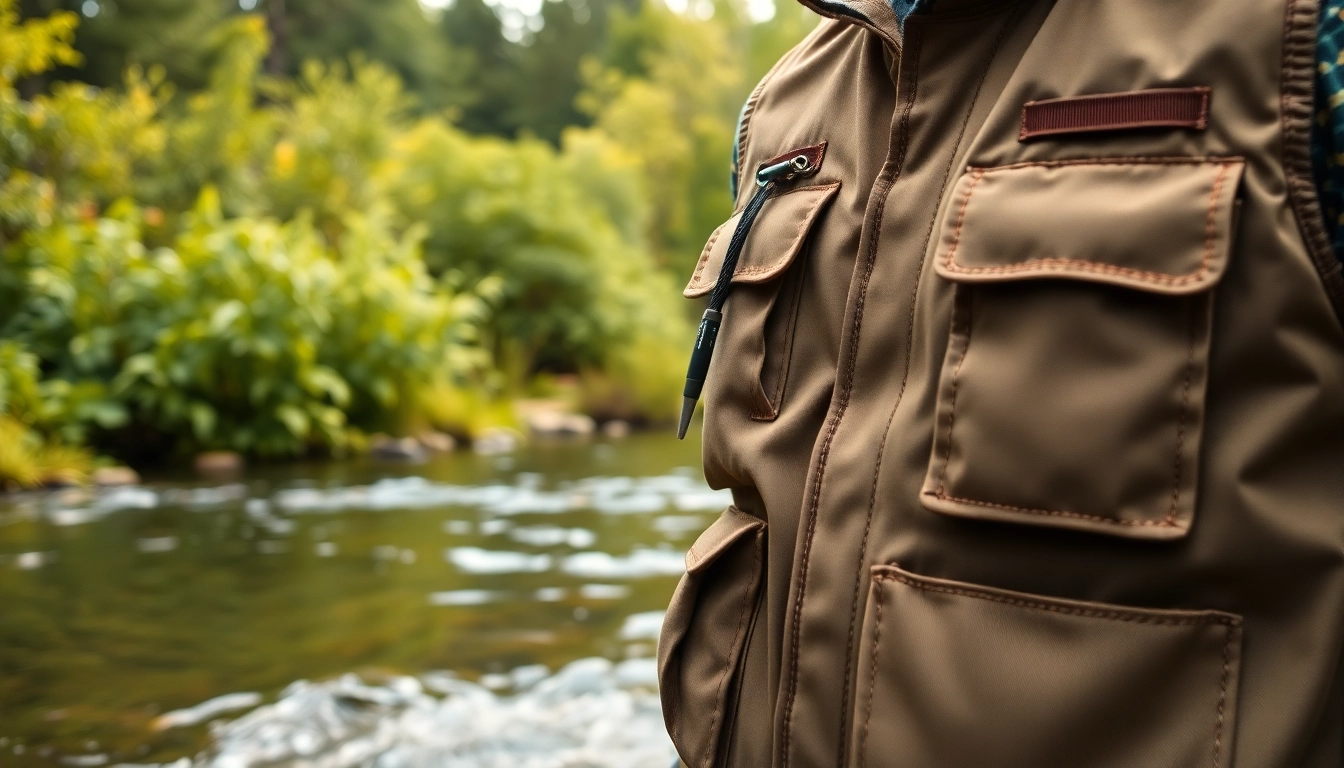
Understanding the Fly Fishing Vest
Definition and Purpose
A fly fishing vest is an essential piece of fishing gear designed to enhance the fly-fishing experience. Unlike traditional fishing tackle boxes, vests are wearable, providing convenience and easy access to your gear while keeping your hands free for more important tasks, like casting. The purpose of a fly fishing vest is to offer anglers a versatile storage solution that caters specifically to their needs on the water.
Key Features of Fly Fishing Vest
Modern fly fishing vests come loaded with features tailored for avid anglers. Here are some of the most important:
- Pockets: Vests typically feature multiple pockets, each designed for specific items like flies, tools, or a water bottle. Sizes and placements can vary, so choosing a vest with a pocket configuration that fits your needs is crucial.
- Weight Distribution: Good fly fishing vests are designed to distribute weight evenly across the front and back, preventing discomfort during long fishing sessions.
- Adjustable Straps: Many vests come with adjustable straps allowing for a customized fit, enhancing comfort and ease of movement.
- Attachment Points: Gear attachment points, often with the use of D-rings or loops, help secure tools and accessories for quick access.
- Breathability: Vests should offer mesh panels or other breathable materials to prevent overheating on warmer days.
Choosing the Right Fit
Choosing the right fit for your fly fishing vest is essential. A properly fitting vest allows for freedom of movement while ensuring you can access all your gear comfortably. To find the right fit, consider the following:
- Size: Vests typically come in various sizes, from small to extra-large. It's essential to consult sizing charts and, if possible, try on different sizes.
- Layering Potential: Think about how many layers you plan to wear underneath the vest—if winter fishing, for example, you may want a roomier size.
- Ventilation: Ensure that not only does the vest fit but ventilation allows for airflow, particularly in warmer climates or summer sessions.
Benefits of Using a Fly Fishing Vest
Convenience and Accessibility
One of the most significant advantages of using a fly fishing vest is convenience. With a good layout of pockets and compartments, everything critical can be right at your fingertips. No more fumbling through bags or tackle boxes; you can concentrate on your casting and fishing tactics without unnecessary distractions.
Enhanced Organization for Gear
Organization is another substantial benefit of utilizing a fly fishing vest. The structured design allows you to categorize your gear systematically. For instance, you can allocate specific pockets for flies, fishing tools, and personal items. This organization minimizes time spent looking for gear, enabling a more focused and enjoyable fishing experience.
Comfort and Mobility While Fishing
Durable and well-designed fly fishing vests are built with the angler's comfort in mind. Features like adjustable straps, lightweight materials, and ergonomic designs all contribute to a natural range of motion. This mobility means that you can cast, land fish, and navigate tricky terrains more easily—all while knowing that your essentials are secure and accessible.
Popular Materials for Fly Fishing Vests
Cotton vs. Synthetic Fabrics
Fly fishing vests are made from a variety of materials, primarily cotton and synthetic fabrics. Cotton offers comfort but may not dry quickly. Synthetic fabrics, including nylon and polyester, often provide superior moisture-wicking properties, a critical benefit when fishing in damp conditions.
Water-resistant Options
Water-resistance is a pivotal factor in choosing your vest material, especially for anglers frequently wading or fishing in rainy environments. Many modern vests are designed with waterproof coatings or water-resistant fabrics that allow for prolonged use in wet conditions without compromising comfort.
Durability Considerations
Durability is another aspect that cannot be overlooked. A quality fly fishing vest should withstand rigorous use, from rough aquatic terrains to the elements. It’s essential to select a vest designed with robust stitching and materials to ensure it lasts through season after season of adventure and exploration.
Maintenance Tips for Longevity
Cleaning Your Fly Fishing Vest
To prolong the life of your fly fishing vest, regular cleaning is crucial. Depending on usage, aim to clean your vest a few times a season. Use a mild detergent and avoid harsh chemicals that can degrade fabric quality. Hand washing or using a gentle cycle with cold water is often recommended to preserve the integrity of waterproofed areas.
Storage Recommendations
Proper storage of your vest is key to maintaining its condition. When not in use, hang your vest in a cool, dry place away from direct sunlight. Avoid folding it for long periods, as this can cause creases and damage the fabric over time.
Repairing Damage
Should your vest sustain damage, quick repairs can save your investment. Small tears can often be stitched up, while punctures in waterproof materials may require specialized repair patches. Familiarize yourself with basic sewing techniques or consult a professional if significant repairs are necessary.
Frequently Asked Questions about Fly Fishing Vests
What should I look for in a fly fishing vest?
When selecting a fly fishing vest, prioritize comfort, pocket organization, breathability, adjustable straps, and durability to suit your fishing needs.
Are fly fishing vests suitable for all fishing types?
Fly fishing vests are primarily designed for fly fishing. However, they can also be used for other types of fishing if you prefer the convenience of easy-access storage.
Can I customize my fly fishing vest?
Many anglers choose to customize their fly fishing vests with patches, or by modifying pocket configurations, enhancing both function and personal style.
What is the best way to organize my fly fishing vest?
Organize your vest by grouping similar items together, such as flies in one pocket and tools in another. This keeps everything accessible and easy to find.
How do I measure for the right size of fly fishing vest?
To measure for the right size of fly fishing vest, take measurements of your chest and waist. Consult size charts provided by manufacturers to determine the best fit.