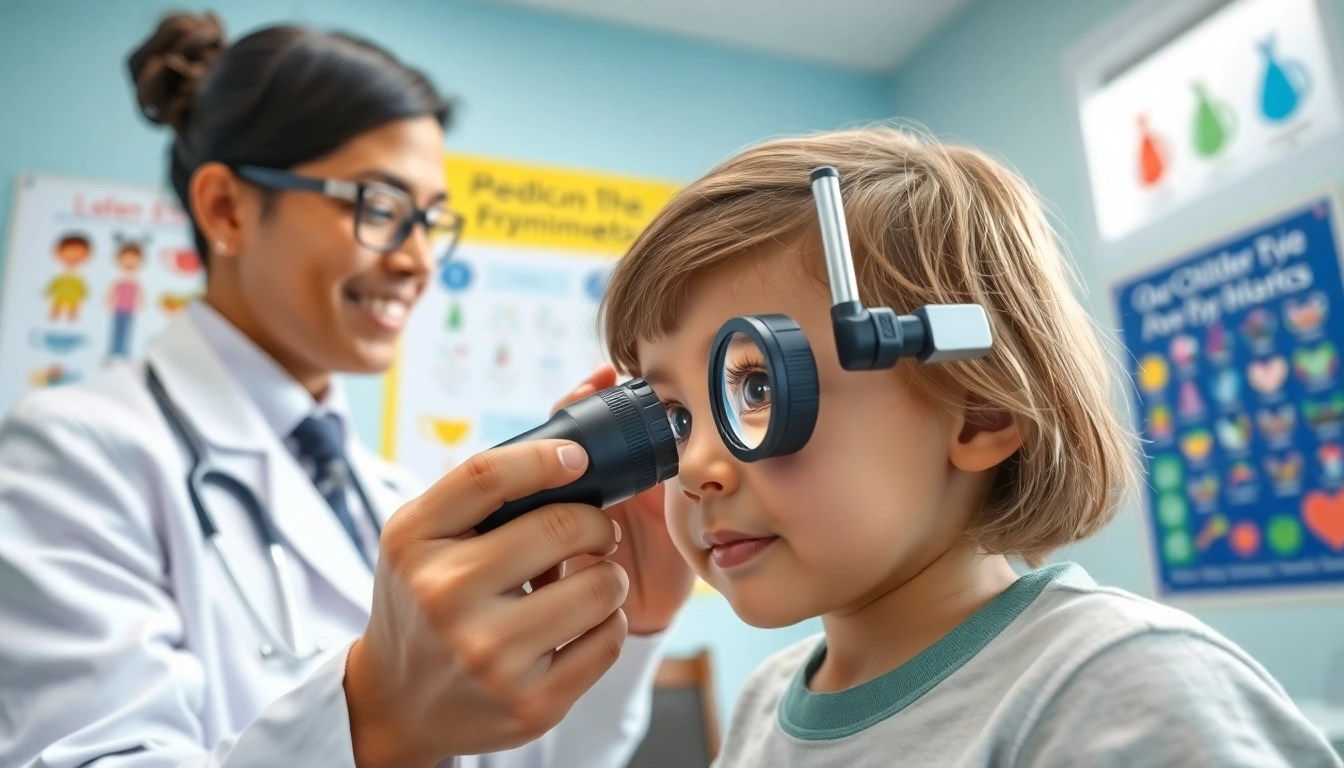
Understanding the Importance of Our Children's Vision
The significance of vision in a child's development cannot be overstated. Vision impacts a child's ability to learn, interact with the world, and engage in everyday activities. Proper vision care ensures that children have access to optimal eye health, laying a foundation for their futures. Unfortunately, many children face barriers to receiving essential eye care. Programs like Our Children's Vision are actively working to bridge these gaps, ensuring that more children receive the eye care they need.
The Impact of Vision on Child Development
Vision plays a critical role in a child's overall development. It influences not only educational outcomes but also social interactions and emotional development. For instance, children who struggle with uncorrected vision problems may face challenges in reading comprehension, attention, and behavior in school settings. Early detection and correction of eye issues can significantly enhance developmental milestones, allowing children to thrive academically and socially.
Common Vision Problems Affecting Children
A range of vision problems can affect children, some of which include:
- Myopia (Nearsightedness): A condition where distant objects appear blurry, often leading to challenges in a classroom setting.
- Hyperopia (Farsightedness): This condition makes nearby objects hard to see, which can hinder a child's ability to read or do close work.
- Astigmatism: An irregular curvature of the cornea causing blurred vision at any distance.
- Strabismus (Crossed Eyes): A misalignment of the eyes that can lead to depth perception issues.
- Amblyopia (Lazy Eye): A condition where one eye doesn’t develop vision properly and is often associated with strabismus.
Addressing these conditions promptly with proper eye care is essential. Left untreated, these issues can lead to more severe problems, including a higher likelihood of learning difficulties and social challenges.
The Role of Eye Exams in Ensuring Healthy Vision
Comprehensive eye exams are crucial for detecting vision problems early. These exams typically include tests for visual acuity, depth perception, color vision, and the health of the eyes themselves. Regular check-ups can identify issues before they become more severe, allowing for timely interventions such as corrective lenses or other treatments. Experts recommend that children have their first comprehensive eye exam at around six months of age, followed by another at age three and again just before entering school. This pattern ensures that any potential problems are caught and managed early on.
Recognizing Signs That Your Child Needs Vision Care
It is essential for parents and caregivers to be vigilant about their child's vision health. Knowing the signs that indicate a need for vision care can lead to timely interventions and healthier outcomes.
Behavioral Indications of Vision Issues
Children may exhibit various behavioral signs that can suggest vision problems. For example, if a child frequently squints, tilts their head while reading, or shows reluctance to participate in activities that require clear sight, it may indicate an underlying issue. Additionally, if a child appears to be losing interest in activities that require visual attention, such as reading or playing typical games, it can signal vision difficulties.
Physical Symptoms to Watch For
In addition to behavioral signs, certain physical symptoms may indicate that a child needs professional eye care. These include:
- Frequent headaches, especially after reading or using a computer.
- Eye rubbing or excessive blinking.
- Red or watery eyes.
- Difficulty in determining distances or depth perception.
Parents should be proactive in addressing these symptoms by scheduling an appointment with an eye care professional.
When to Schedule an Eye Examination
Deciding when to schedule an eye examination can be crucial for mitigating potential vision problems. The American Academy of Pediatrics emphasizes the need for regular check-ups at specified ages. Beyond these routine checks, parents should seek immediate eye examinations if their child exhibits any concerning signs or changes in vision clarity, behavior, or eye health. Catching these problems early can lead to better treatment outcomes and less impact on their daily life.
Best Practices for Maintaining Healthy Vision in Children
Maintaining optimal vision health requires a proactive approach. Here are strategies that parents can adopt to support their children's eye health.
Daily Habits to Support Eye Health
Encouraging healthy daily habits contributes to children's overall eye health. For instance, promoting regular outdoor playtime can reduce the risk of developing myopia, as natural light is beneficial. Additionally, limiting close-up activities such as reading or using screens can alleviate stress on the eyes. Furthermore, instilling habits like washing hands before touching the face and avoiding rubbing the eyes can prevent infections.
Nutrition and Its Role in Vision Development
A well-balanced diet rich in vitamins and minerals supports eye health. Nutrients vital for maintaining vision include:
- Vitamin A: Found in carrots, sweet potatoes, and spinach, this vitamin is crucial for maintaining good vision and eye health.
- Omega-3 Fatty Acids: Present in fish, walnuts, and flaxseeds, these fatty acids are vital for retinal health.
- Lutein and Zeaxanthin: These antioxidants are found in green leafy vegetables and are effective in filtering harmful blue light.
Integrating these nutrients into children’s diets can bolster their eye health. Multivitamins may also be considered after consulting with a healthcare provider.
Screen Time Management for Eye Wellness
In today’s digital age, managing screen time is critical for children's eye health. Adopting the 20-20-20 rule is effective: every 20 minutes, children should look at something 20 feet away for 20 seconds. This practice helps reduce eye strain associated with prolonged screen use. Setting limits on screen time, encouraging regular breaks, and promoting activities that do not involve screens can help mitigate potential negative effects on vision.
Accessing Eye Care Services for Your Child
Identifying and utilizing proper eye care services is vital for ensuring children receive the necessary vision care. Here are ways to ensure access to quality eye care.
Finding Local Pediatric Eye Specialists
Identifying a qualified pediatric eye specialist can be vital for timely and effective eye care. Parents should seek recommendations from primary care physicians or pediatricians. Additionally, online repositories or professional associations can provide lists of certified eye care practitioners specializing in children's eye health. Ensuring that the provider specializes in treating children can provide a more tailored approach to care.
Understanding Eye Care Coverage and Costs
Understanding the financial aspects of eye care can help families access necessary services without undue stress. Many health insurance plans cover routine eye exams for children, but coverage can vary widely. Parents should familiarize themselves with their policy details, including co-pays and provider networks. Researching community programs that offer free or reduced-cost eye exams may also be an option for families without insurance coverage.
Community Resources for Children's Eye Health
Several community resources exist to support children's eye health. Non-profit organizations and local health departments often host vision screening events. Schools may also provide resources, including access to screenings and information about local eye care providers. Engaging with community programs designed to raise awareness about eye health can assist in promoting the importance of eye care.
Raising Awareness for Our Children's Vision
Awareness is an essential factor in improving children’s access to necessary eye care services. Here are strategies for raising awareness and advocating for children's vision health.
The Importance of Community Engagement
Community engagement can significantly impact children's vision health. Organizing events focused on vision screenings and educational seminars on eye health can spread awareness. Collaborating with local schools and health services can further amplify these efforts, ensuring that vital information reaches families who may not be otherwise informed about the importance of eye care.
Partnering with Organizations for Eye Health Initiatives
Developing partnerships with organizations dedicated to child health can enhance the reach and effectiveness of awareness campaigns. Collaborating with eye care professionals, non-profits, and even local businesses can create a strong network to disseminate information and facilitate access to eye care services. These partnerships can also provide valuable resources for community events, making initiatives more impactful.
How to Advocate for Better Vision Care Policies
Advocacy plays a vital role in improving policies related to children's vision health. Parents and community members can advocate for better vision care services by engaging with local legislation, attending town hall meetings, and supporting initiatives that aim to extend coverage for eye care. Raising awareness about existing gaps in services can prompt discussions around enhanced policies, ensuring that children's vision needs are prioritized and met effectively.