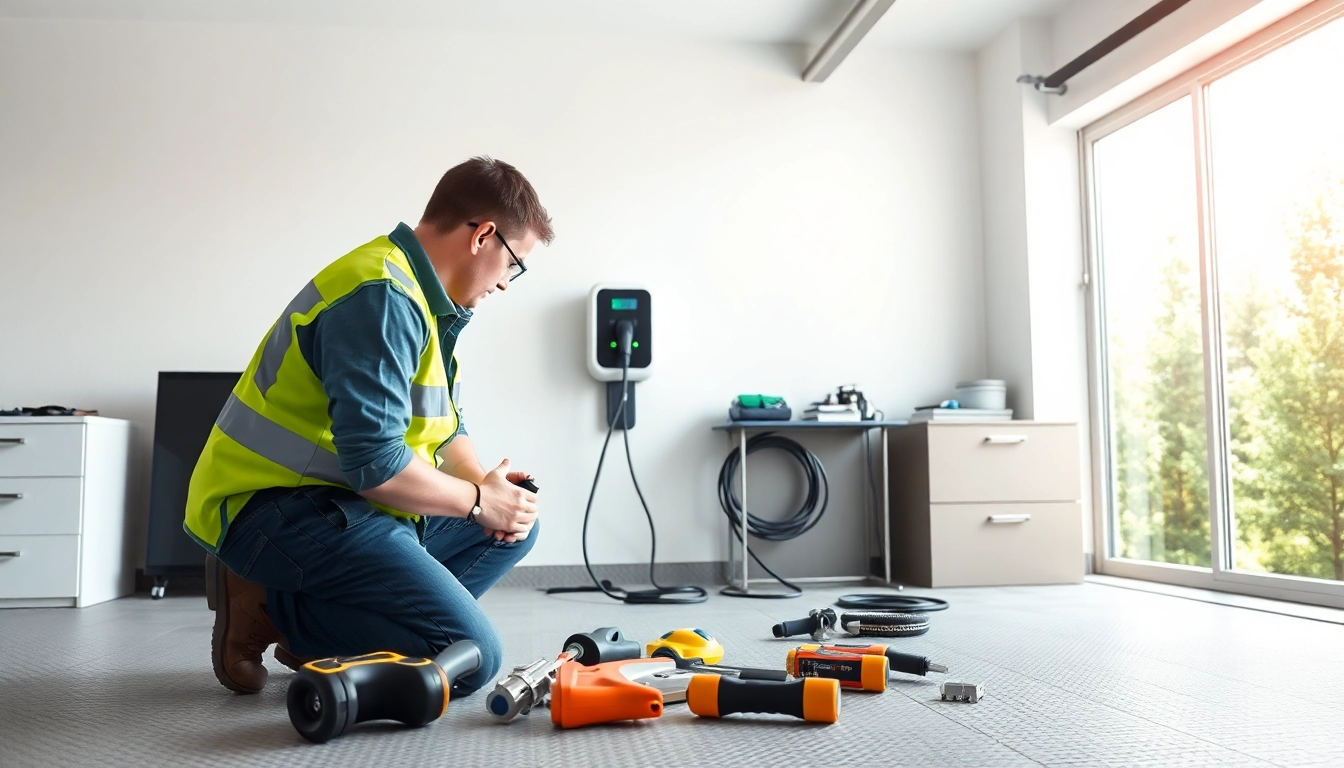
Understanding EV Charging Installation
As electric vehicles (EVs) become increasingly popular, understanding the significance and intricacies of EV Charging Installation is essential. This guide will explore the types of EV chargers, the importance of professional installation, and the various factors that affect costs.
What is EV Charging Installation?
EV charging installation refers to the process of setting up a charging station for electric vehicles at a residential or commercial location. This involves not only installing the charger but also integrating it with the electrical system of the building. Proper installation ensures that your EV can be charged safely and efficiently, providing a crucial support mechanism for daily transportation needs.
Types of EV Chargers
EV chargers come in multiple types, primarily distinguished by their charging speed and power output:
- Level 1 Chargers: These chargers use a standard household outlet (120 volts) and provide about 4-5 miles of range per hour of charging. They're ideal for overnight charging in residential settings.
- Level 2 Chargers: Operating at 240 volts, Level 2 chargers can deliver 10 to 60 miles of range per hour. These are commonly used in residential and commercial settings due to their quicker charging times.
- DC Fast Chargers: Found mainly in commercial and public charging stations, these chargers can charge an EV to about 80% in 30 minutes. They operate on a 480 volts power supply and are ideal for quick charging during long journeys.
Importance of Professional Installation
Engaging a professional for your EV charging installation is highly recommended. A qualified electrician understands local regulations, safety codes, and installation requirements, ensuring compliance and reducing the risk of electrical hazards. Professional installation can also streamline the connection process between the charger and existing electrical systems, optimizing overall performance.
Cost Factors for EV Charging Installation
Average Installation Costs
The cost for installing an EV charging station can vary widely based on factors such as location, installation complexity, and charger type. On average, homeowners should budget between $800 and $2,000 for a Level 2 charger installation. This cost typically includes the charger itself, labor, and any additional electrical work needed to accommodate the installation.
Hidden Expenses to Consider
Besides the initial installation cost, homeowners may face hidden expenses, including:
- Electrical Upgrades: Older homes may require electrical panel upgrades or increased circuit capacity to support new chargers.
- Permit Fees: Many localities require permits for electrical installations, adding to overall costs.
- Adaptors and Hardware: Depending on the EV model, additional adaptors may be required for compatibility with the charger.
Financial Incentives and Rebates
Various programs and rebates are available to help offset the costs of EV charging installation. Tax credits, local and state rebates, and utility incentives can reduce the initial financial burden. Homeowners should research available options in their area to take advantage of these savings.
Steps to Prepare for EV Charging Installation
Assessing Your Home's Electrical System
Before installing an EV charger, an assessment of your home's electrical system is crucial. This includes checking the capacity of the electrical panel, the overall condition of wiring, and ensuring compliance with electrical codes. An electrician can perform this assessment to determine if any upgrades are necessary.
Selecting the Right Charger
Choosing the appropriate charger involves considering the vehicle's requirements, daily driving habits, and installation locations. Homeowners should assess their typical charging needs, whether they require fast charging, and the compatibility of the charger with their EV model.
Hiring a Qualified Installer
Finding a qualified electrician with experience in EV charger installations is essential. Homeowners should seek recommendations, verify credentials, and check references to ensure they select a reliable professional.
Maximizing Efficiency with EV Charging Installation
Optimal Charger Placement
Strategically placing the charger can enhance its efficiency and usability. Choose a location that is accessible, preferably close to the vehicle's parking spot, and ensures adequate space for connecting and disconnecting the charger without obstruction.
Future-Proofing Your Installation
Considering future needs is essential when planning your installation. This includes selecting a charger that accommodates various EV models and potential upgrades. Ensure your electrical system is flexible enough to support additional chargers or higher capacity as technology evolves.
Maintenance Tips for Longevity
Regular maintenance helps ensure your EV charging station operates efficiently. Homeowners should periodically check connections, clean the charging port, and monitor any wear on the cables. It's also wise to schedule annual inspections with a qualified electrician to identify potential issues early.
FAQs about EV Charging Installation
What are the typical costs for EV Charging Installation?
The typical cost ranges between $800 and $2,000, influenced by the charger type and installation complexity.
Can I install an EV charger myself?
While it's technically possible, hiring a professional is recommended to ensure safety and compliance with local regulations.
How long does EV Charging Installation take?
Installation duration depends on complexity, averaging between 1 to 4 hours for most residential setups.
Do I need a permit for EV Charging Installation?
Yes, many locations require permits. It's advisable to check local regulations before installation to ensure compliance.
Are there any incentives for installing an EV charger?
Yes, incentives such as tax credits and rebates may be available, helping to reduce installation costs significantly.