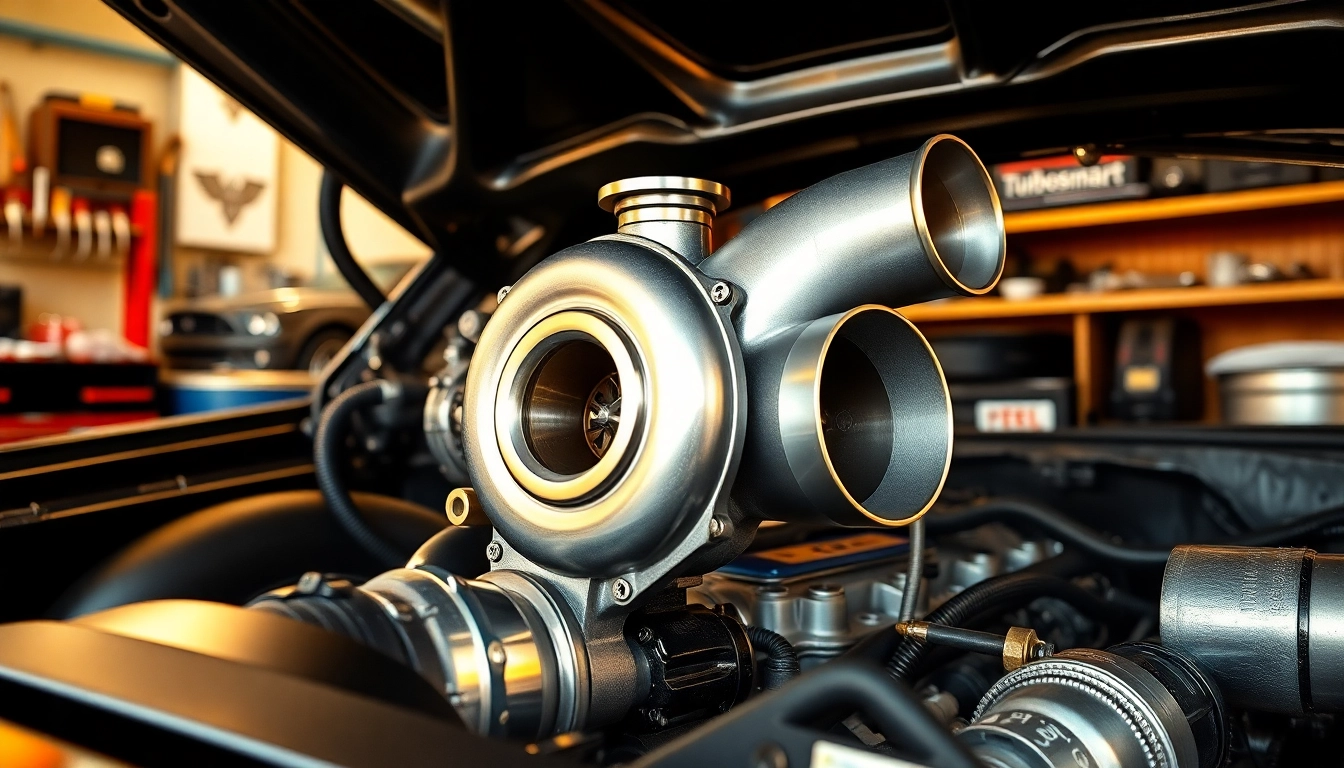
Understanding Used Engines
Definition and Benefits of Used Engines
Used engines refer to engines that have been previously used in a vehicle, typically removed for various reasons such as replacing with a new or rebuilt engine, or the vehicle itself being salvaged. One of the primary benefits of acquiring used engines is cost savings. Purchasing a used engine can significantly reduce the financial burden compared to buying a new engine, which can range from several thousand dollars to more than $14,000.
In addition to cost savings, used engines often provide a reliable alternative for older or vintage vehicles where original parts may no longer be manufactured. Furthermore, many sellers of used engines offer warranties, which, if extensively covered, can further alleviate buyer anxiety regarding engine reliability. Thus, understanding the options available within the used engine market is crucial for any vehicle owner looking to replace or upgrade their engine without incurring exorbitant expenses.
Common Types of Used Engines Available
When exploring the market for used engines, you'll encounter various types tailored for different vehicle makes and models. Some common categories include:
- Gasoline Engines: Frequently available and compatible with a diverse range of vehicles, these are often preferred by everyday drivers.
- Diesel Engines: Known for their durability and torque, these engines are popular in trucks and heavy-duty vehicles.
- Hybrid Engines: Emerging in popularity as environmentally conscious choices, these often incorporate both an electric motor and a gasoline engine.
- High-Performance Engines: Such engines provide more horsepower and torque and are typically sought after by performance enthusiasts.
Quality vs. Price: What to Consider
When considering the purchase of used engines, balancing quality and price is crucial. While it may be tempting to opt for the cheapest option available, this could lead to higher costs in the long run due to potential issues. Here are a few factors to keep in mind:
- Engine Condition: Always assess the engine’s physical appearance, listen for unusual noises, and check for leaks.
- Mileage: Engines with lower mileage tend to be in better condition, but the price may reflect that.
- Aftermarket Modifications: Modifications can enhance performance but may compromise reliability; consider the potential long-term effects.
- Seller Reputation: Trustworthy sellers may charge more, but often provide quality and warranties that lower the overall risk.
Where to Find Trusted Used Engines
Online Marketplaces and Their Pros/Cons
The digital landscape opens up a wealth of opportunities for sourcing used engines. Popular online platforms include auction sites like eBay, specialized automotive parts sites, and classified ads. These resources offer the convenience of browsing vast inventories directly from your device.
However, online purchases come with risks. You may not have the chance to inspect the engine physically before buying. Always read customer reviews, inquire about warranties, and, if possible, arrange for personal pickup or inspection.
Local Salvage Yards: A Valuable Resource
Local salvage yards can prove to be treasure troves of used engines, often at lower prices than online alternatives. In many cases, these yards allow you to pull the engine yourself, which can save on labor costs.
When visiting salvage yards, be prepared with tools and knowledge about engine compatibility. A yard offers the added value of immediate inspection, providing an opportunity to evaluate the engine's condition onsite and ask questions regarding its history.
Auto Shops and Their Offerings
Many auto repair shops also deal in used engines, either by selling them outright or offering installation services. These establishments often have a better quality control system than private sellers, making their stock more reliable.
Check if the shop provides warranties on their used engines. While it might come at a higher price than a salvage yard, the peace of mind regarding quality assurance can't be underestimated.
Evaluating the Condition of Used Engines
What to Look for in Inspections
Thorough inspections are vital when considering used engines. Pay attention to the following aspects:
- Visual Inspection: Look for rust, corrosion, or physical damage. A clean engine is often a good sign.
- Fluid Checks: Examine oil and coolant levels. Dark or milky fluids may indicate underlying issues.
- Compression Test: This test checks the internal condition; low compression can signify engine wear.
Key Questions to Ask Sellers
Consider asking the following questions to gain insight into the engine's history and reliability:
- What was the engine's original vehicle?
- Why was the engine removed?
- Has it undergone any repairs or modifications?
- Is there any warranty or guarantee offered?
Warranty and Guarantee Considerations
Seller warranties can vary significantly. Always inquire about the duration, coverage, and what actions would void the warranty. A solid warranty can safeguard against premature failure and expensive replacements, providing invaluable peace of mind in your purchase.
The Buying Process for Used Engines
Steps to Ensure a Safe Purchase
Taking a structured approach to purchasing used engines can mitigate risks and increase satisfaction. Here are the steps to follow:
- Research and identify potential sellers based on reviews and reputation.
- Confirm vehicle compatibility before investing time visiting shops or yards.
- Inspect and ask essential questions to ensure reliability.
- Negotiate terms clearly, including price and warranty options.
- Secure all documentation related to the engine and sale.
Documentation: What You Need to Verify
Proper documentation is critical in verifying your purchase. Ensure you obtain:
- Receipt or invoice detailing the sale.
- Warranty information or guarantee documentation.
- Proof of mileage, if available.
Common Risks and How to Avoid Them
Purchasing used engines involves certain risks. Common challenges may include:
- Engine Condition Deception: To combat this, always inspect the engine yourself and ask for maintenance records.
- Fraudulent Sellers: Research seller backgrounds and seek recommendations.
- Unwarranted Repairs: Understand warranty coverage to avoid unexpected costs.
FAQs about Used Engines
How Much Should a Used Engine Cost?
Expect prices between $600 to $6,000 depending on engine type and condition. Always confirm the engine's history to gauge the right price.
Is Buying a Used Engine Worth It?
Yes, when carefully selected, a used engine can save you a significant amount while providing reliable performance for years.
How Can I Ensure Quality When Buying Used Engines?
Inspect thoroughly, check maintenance history, and always request a warranty. This ensures you make an informed choice and mitigate risks.
What Are Common Problems with Used Engines?
Watch out for wear and tear, previous accidents, or improper maintenance, which may affect reliability. Always conduct thorough inspections.
What Is the Best Place to Buy Used Engines?
Local salvage yards and established online automotive marketplaces are excellent sources for quality used engines, often paired with beneficial warranties.