Understanding Automotive Fuses and Their Importance
Automotive fuses may seem like small components within the vast electrical systems of vehicles, yet they play a crucial role in safeguarding your car’s electrical systems. By preventing overloads and short circuits, fuses protect components from potential damage. For more detailed insights on automotive fuses, you can explore https://bezpieczniki24.pl, which provides in-depth information and resources.
What Are Automotive Fuses?
An automotive fuse is a safety device that interrupts the flow of electricity in a circuit when the current exceeds a predetermined level. This "sacrificial" nature is key; once a fuse blows, it’s designed to break the circuit, thereby preventing excess current from damaging other components or wiring. Typically made of metal with a housing made from plastic or ceramic, automotive fuses come in various types and sizes, each designed to handle specific electrical loads.
Types of Fuses Commonly Used in Vehicles
Understanding the different types of fuses used in automobiles is essential for effective maintenance and replacement. Here are the most common types:
- Blade Fuses: These are the most prevalent type found in modern vehicles. They come in various amperages and can be easily identified and replaced without special tools.
- Glass Tube Fuses: Often found in older vehicles, these fuses consist of a glass cylinder and can be somewhat more challenging to replace.
- Mini and Low Profile Fuses: These smaller variants are designed for compact spaces and are commonly used in various circuits.
- High-Voltage Fuses: Typically used in hybrid and electric vehicles, these fuses are designed to handle higher voltages, providing critical protection to complex electrical systems.
How Fuses Protect Vehicle Electrical Systems
Fuses protect various electrical components such as headlights, entertainment systems, and ignition systems by breaking the circuit when excessive current flows through a circuit. This interruption mitigates the risk of equipment overheating and prevents fires caused by electrical faults. In essence, a fuse acts as a first line of defense, ensuring the longevity and reliability of your car's electrical systems.
Common Causes of Fuse Failures
Understanding why fuses fail is vital for both prevention and maintenance. Several common factors contribute to fuse failures, which can be categorized as follows:
Overload Situations That Cause Fuses to Blow
Overloading occurs when too much current flows through a circuit. This typically happens when additional electrical accessories are installed without adjusting the fuse size accordingly. For example, adding a high-wattage stereo may require a fuse of higher amperage, and failure to make this adjustment can lead to premature blowing of the fuse.
Environmental Factors Leading to Fuse Issues
Environmental factors such as moisture and extreme temperatures can also influence fuse reliability. Water can cause corrosion, leading to shorts, while overheating can compromise a fuse’s integrity. Regular inspections and ensuring connections are moisture-free can mitigate these risks.
Identifying Electrical System Failures
Electrical system failures often manifest through symptoms such as flickering lights, inoperable devices, or strange sounds. In such cases, a blown fuse may be the culprit. It's critical to diagnose the root cause instead of merely replacing the fuse, as repeated failures can indicate a more significant issue that requires professional attention.
How to Inspect and Determine Fuse Conditions
Regular inspection of fuses is essential for vehicle maintenance. Identifying issues early can save time and prevent costly repairs. Here are steps on how to inspect and assess fuse conditions:
Step-by-Step Inspection Process
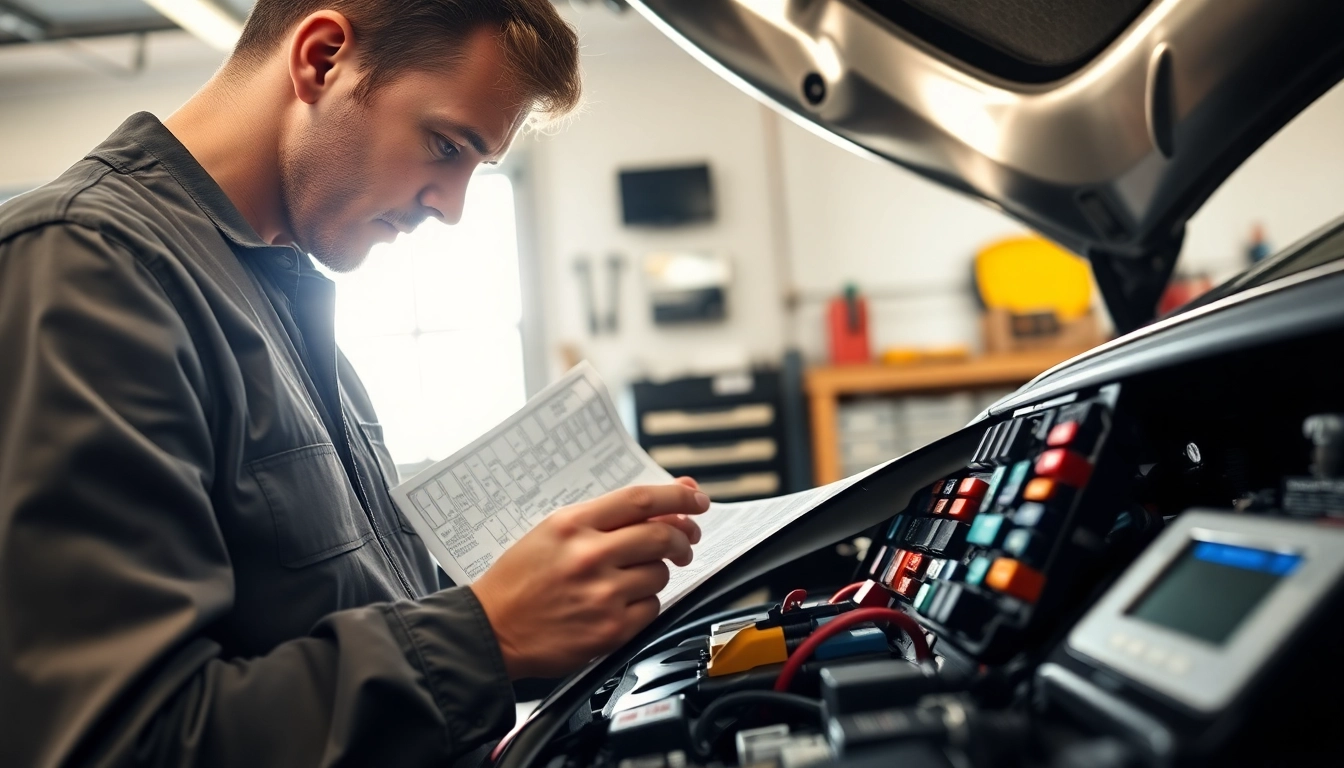
- Locate the Fuse Box: Start by locating the vehicle’s fuse box, which is typically found in the cabin or under the hood.
- Identify the Specific Fuse: Refer to the vehicle's manual to identify which fuse protects the circuit in question.
- Visual Inspection: Remove the identified fuse and conduct a visual inspection. Look for a broken or melted filament, which indicates that the fuse has blown.
Using Multimeters for Testing Fuses
For a more thorough diagnosis, use a multimeter, which test for continuity. Follow these steps:
- Set the multimeter to the continuity setting.
- Place one probe on one end of the fuse and the other probe on the opposite end.
- If the multimeter beeps, the fuse is intact; if not, it’s blown and should be replaced.
Identifying Signs of Blown Fuses
Typical indicators of a blown fuse include power loss to certain devices, dim lighting, or issues with starting the vehicle. If several components on the same circuit are non-operational, check the corresponding fuse first.
Replacing and Repairing Fuses Safely
Replacing a blown fuse is often a straightforward task that can be accomplished without professional assistance. However, it’s crucial to follow safety protocols to avoid damaging the vehicle's electrical system. Here’s a comprehensive guide on how to replace and repair fuses safely:
Tools Needed for Fuse Replacement
Before starting, gather the following tools:
- Replacement fuses of the correct amperage
- Fuse puller or needle-nose pliers for easy removal
- Multimeter for testing
Step-by-Step Guide to Replace a Fuse
Follow these steps to safely replace a blown fuse:
- Ensure the vehicle is off, and all electrical components are disconnected.
- Remove the blown fuse using a fuse puller or pliers.
- Insert the new fuse into the same slot, ensuring that it fits securely.
- Once replaced, turn on the vehicle and test the electrical system.
Best Practices for Voltage Safety
Prioritize safety during this process:
- Always ensure the vehicle is off before beginning work.
- Avoid using fuses with higher amperage than specified, as this can cause serious electrical damage.
- Regularly check your vehicle’s electrical systems for any irregularities.
When to Seek Professional Help for Fuse Issues
While many fuse issues can be resolved at home, certain indicators might signal the need for a professional assessment. Understanding when to seek help is essential to mitigate long-term damage:
Signs That Indicate a Professional Diagnosis is Required
If fused electrical components frequently blow or if you notice burning smells or abnormal sounds in conjunction with electrical failures, it’s time to call in the experts. Ignoring these signs can lead to severe electrical failure or fire hazards.
Understanding When Repair Exceeds DIY Capability
Complex electrical issues, such as those involving advanced wiring or electronic controls, should be left to professionals. Attempting to fix these without expertise may cause further damage and increase repair costs.
Finding a Trusted Automotive Repair Service
When seeking professional help, look for qualified technicians with good reputations. Online reviews and recommendations from friends can steer you toward a reliable automotive service provider, ensuring that you receive the best diagnosis and repair services available.