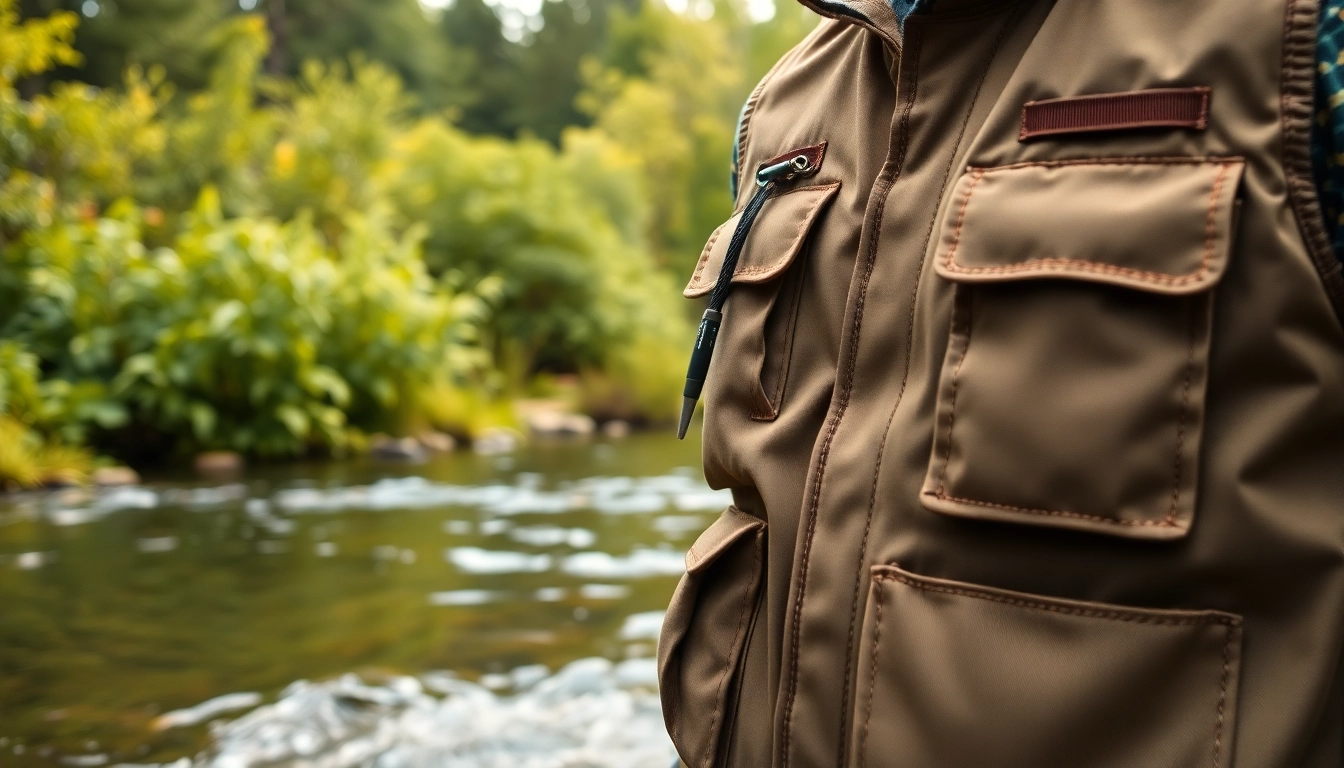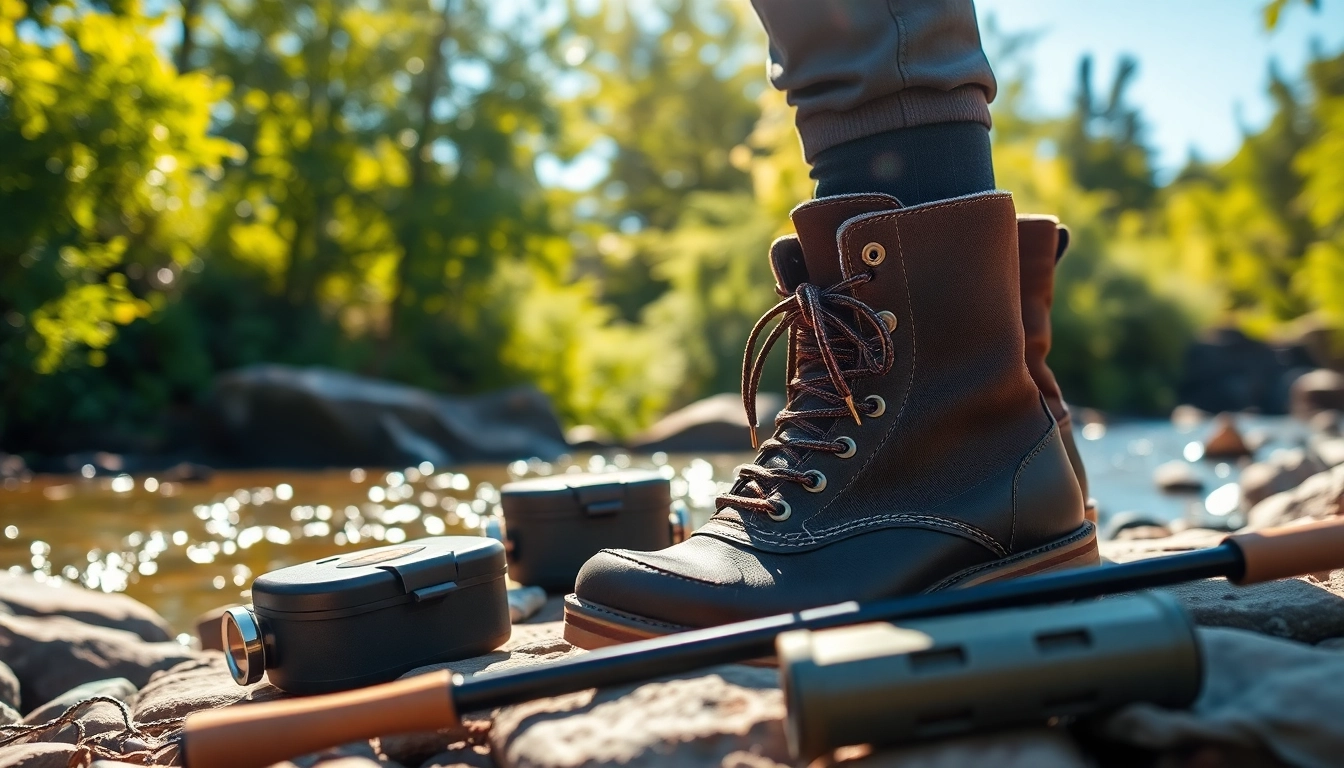
Understanding Fly Fishing Boots
What Are Fly Fishing Boots?
Fly fishing boots are specialized types of footwear designed for anglers who wade into water while fishing. They offer necessary support, comfort, and traction needed for navigating slippery and uneven surfaces often found in rivers and streams. These boots typically come with features like waterproof materials, protective toe caps, and proper drainage systems to ensure they are functional for wet environments. Selecting the right pair is crucial for a successful and enjoyable fishing experience.
Importance of Proper Footwear in Fly Fishing
Wearing the right footwear while fly fishing is vital for several reasons. First, proper footwear can significantly enhance your stability and balance, reducing the risk of slipping and falling in treacherous waters. Additionally, quality boots provide adequate support and comfort for prolonged periods, which is particularly important during long fishing days. Moreover, poorly chosen footwear can lead to fatigue and foot pain, negatively impacting your fishing experience. Thus, investing in Fly fishing boots tailored for the sport is essential.
Types of Fly Fishing Boots
There are various types of fly fishing boots available, catering to different fishing environments and preferences. The most common categories include:
- Wading Boots: These boots are designed specifically for wading and typically feature sturdy outsoles with excellent traction.
- Bootfoot Waders: These combine waders and boots into a single piece, providing warmth and waterproof protection.
- Sandals: For anglers fishing in warm conditions, breathable sandals offer comfort while still providing decent grip.
- Neoprene Boots: Ideal for colder waters, these boots provide insulation and are often watertight.
Key Features to Look For
Traction and Sole Types
The sole of your fly fishing boots is crucial for ensuring a firm grip on slippery terrain. There are two main types of soles: felt and rubber. Felt soles are often preferred for their superior grip on wet rocks but can introduce issues such as spreading invasive species. Conversely, rubber soles provide versatility and are easier to clean but may not grip as well in extremely slippery conditions. Some advanced models now come with interchangeable soles allowing anglers to adapt based on their fishing environments.
Comfort and Fit
Comfort is paramount when choosing fly fishing boots. A well-fitting boot prevents blisters, heel slippage, and other discomforts. Look for boots with padded collar and tongue for added comfort, as well as adjustable lacing systems that allow for customization. It’s advisable to try on boots with the type of socks you plan to wear during fishing to ensure an excellent fit in all scenarios.
Durability and Material
Durability is another essential feature to consider. Fly fishing boots are typically made from materials such as rubber, nylon, or leather. Each material has its advantages; rubber boots are waterproof and easy to clean, while leather provides added comfort and long-term wear. Check for reinforced areas, especially at the toe and heel, where wear and tear are common.
Best Practices for Selecting Fly Fishing Boots
Consider Fishing Environment
When selecting fly fishing boots, consider the environments you'll be fishing in. If you anticipate wading in rivers with slippery rocks, prioritize boots with felt soles. In contrast, if your fishing involves more gravel or varied terrain, rubber soles with Vibram traction may be more suitable. Also, take into account water temperature, as this influences whether you need insulated or breathable options.
Choosing the Right Size
Choosing the proper size for fly fishing boots is essential for comfort and effectiveness. Ensure there's enough room for your toes and that your heel doesn't lift out when you walk. Trying on different sizes and brands can also help identify what works best, as sizing can vary significantly across producers. Always wear the type of socks you plan to use while fishing for the most accurate fit.
Breaking Them In Before Use
Like any new footwear, it’s essential to break in your fly fishing boots before an extended outing. Wear them around the house or during short walks to ensure they comfortably conform to your feet. This can help prevent blisters and discomfort when you finally hit the water.
Maintenance and Care for Fly Fishing Boots
Cleaning Your Boots
Cleaning your fly fishing boots after each use is essential for longevity and performance. Rinse them with freshwater to remove mud, silt, and other debris. Allow them to dry completely away from direct sunlight or heat sources to avoid damaging the material. Regular cleaning also helps in maintaining the traction capability of the soles.
Storing and Drying Tips
Proper storage of fly fishing boots can prolong their life. Ensure they are completely dry before storing to prevent mold and mildew. A boot dryer can be useful in ensuring they dry out thoroughly. Store them in a cool, dry place, ideally in an upright position to maintain their shape.
Repairing Common Wear and Tear
Over time, wear and tear will occur, especially in high-friction areas. Identify common damage such as seams coming apart or sole peeling. You can often repair minor damage with specialized glues or by replacing screws. For significant issues, consider professional maintenance to ensure your boots remain water-tight and functional.
FAQs About Fly Fishing Boots
What kind of boots do you wear when fly fishing?
You should wear breathable and sturdy wading boots with felt or rubber soles to ensure optimal traction when wading in water.
What are the best fly fishing boots?
The best fly fishing boots vary depending on your specific needs. Look for boots with designs suited to your fishing environment, including options for traction, insolation if needed, and proper fitting.
Can I wear regular hiking boots for fly fishing?
Regular hiking boots are not recommended for fly fishing as they typically lack the specialized grip, drainage, and waterproof features necessary for safety and efficiency in water.
How do I choose the right size for fly fishing boots?
To choose the right size, it's essential to try on boots wearing the socks you intend to use. Ensure there is enough room for your toes while feeling snug around the heel and ankle.
What’s the difference between felt and rubber soles?
Felt soles offer superior grip on slippery surfaces, making them ideal for wet environments. However, rubber soles provide versatility and durability across different terrains.