
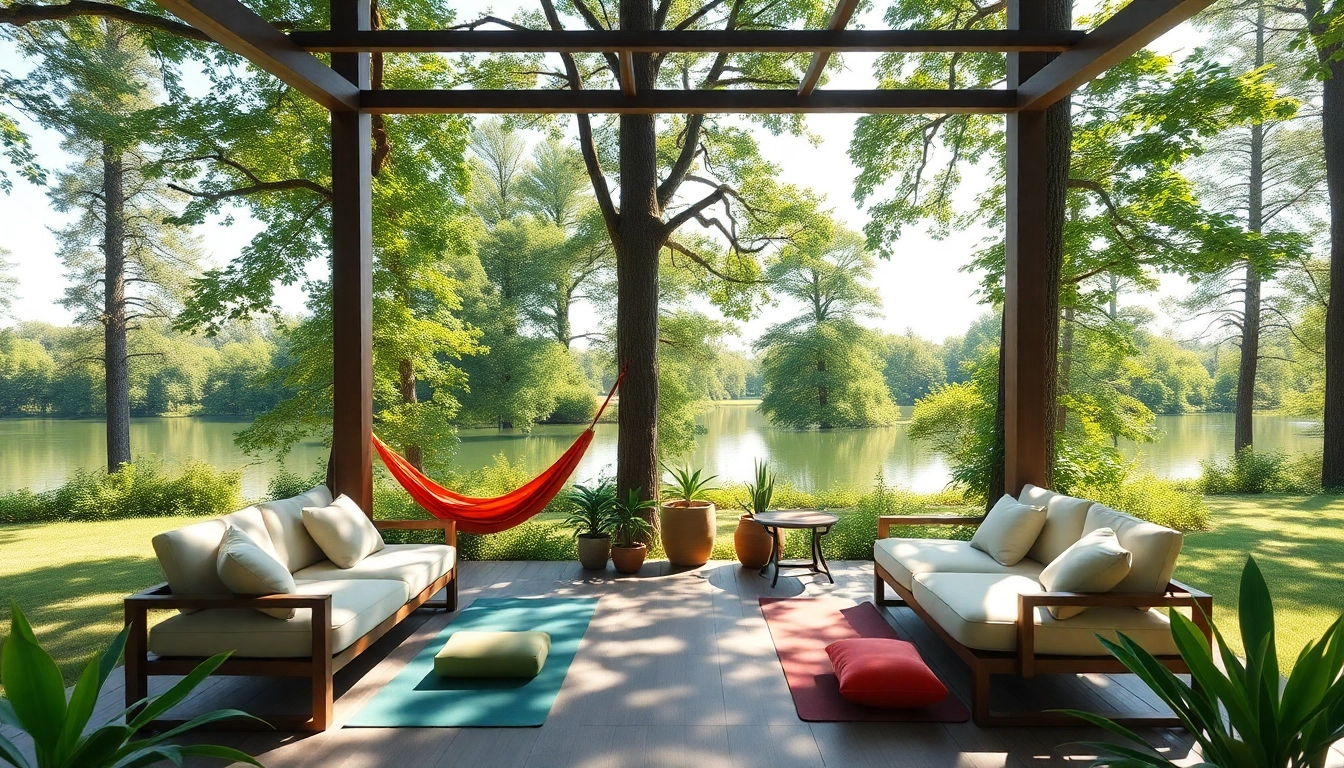
Understanding the Wellness Retreat Concept
In an era where stress and chaos appear to be constants in our daily lives, the concept of a wellness retreat emerges as a beacon of hope for those seeking refuge and rejuvenation. But what exactly is a wellness retreat? It’s more than just a vacation; it’s an immersive experience designed to focus on personal well-being, encompassing physical, mental, and emotional health. These retreats offer a sanctuary where individuals can step away from their responsibilities and distractions, allowing them to reconnect with their inner selves and promote healing.
What is a Wellness Retreat?
A wellness retreat is typically a multi-day event designed to help participants focus on improving their overall wellness. This can involve a variety of activities, including yoga, meditation, fitness classes, nutritional workshops, and mindfulness practices. The setting is usually tranquil and restorative—elements that contribute significantly to the healing process. Whether nestled in serene mountains, by the ocean, or within peaceful countryside, the environment plays a critical role in enhancing the healing experience.
Key Benefits of Attending a Wellness Retreat
Attending a wellness retreat offers multiple benefits that extend beyond the duration of the experience. Some of the key advantages include:
- Stress Reduction: Retreats provide a break from daily stressors, allowing attendees to unwind and recharge.
- Improved Mental Clarity: The focus on mindfulness can lead to enhanced cognitive function and emotional resilience.
- Physical Wellness: Activities like yoga and fitness workshops promote physical health and vitality.
- Community Building: Connecting with like-minded individuals can create lasting friendships and support networks.
- Personal Growth: Retreats often incorporate workshops that encourage self-reflection and personal development.
Types of Wellness Retreats
Not all wellness retreats are the same; they vary vastly in focus, design, and structure. Here are some common types:
- Yoga Retreats: These primarily focus on teaching various forms of yoga and incorporating mindfulness practices.
- Detox Retreats: Participants typically undergo detox programs designed to cleanse the body through diet and lifestyle changes.
- Fitness Retreats: Ideal for those looking to incorporate physical challenges with expert-led fitness training and workshops.
- Holistic Retreats: Focused on comprehensive well-being, these retreats integrate physical, emotional, and spiritual health activities.
- Adventure Retreats: These combine physical activity with exploration—like hiking, biking, or water sports—while promoting wellness.
Planning Your Ideal Wellness Retreat
When planning to attend a wellness retreat, thoughtful consideration can enhance your experience significantly. Here are some essential factors to contemplate:
Choosing the Right Location
The setting of your wellness retreat is paramount to the overall experience. Natural surroundings, tranquil oceans, or lush forests can enhance relaxation and provide necessary escapism from daily life. Research various locations, considering the climate, accessibility, and types of environments that resonate with your personal preferences.
Duration and Timing Considerations
The length of your stay at the retreat can vary considerably from a weekend to several weeks. Assess your schedule and consider how much time you can realistically dedicate to immersing yourself in the experience. Additionally, specific times of the year may hold higher energy or relevance to your personal goals, making it worthwhile to plan according to these insights.
Budgeting for Your Wellness Retreat
Understanding and establishing a budget is crucial for planning an enjoyable retreat experience. Costs can vary widely based on location, included activities, and accommodations. Consider all factors—travel, meals, lodging, and activities—to form a reasonable estimate of total expenses. This foresight helps avoid financial stress, allowing for full engagement in your wellness journey.
Activities to Expect at a Wellness Retreat
Engaging in various activities at a wellness retreat can significantly contribute to enhancing personal well-being. Here’s what to expect:
Meditation and Mindfulness Practices
Meditation sessions are often at the heart of wellness retreats, guiding participants through practices that promote peace and mental clarity. Mindfulness exercises teach attendees to remain present, alleviating anxieties about the past or future. Various techniques are typically introduced, such as guided meditation, deep breathing, or even creative expressions like art therapy.
Fitness and Wellness Workshops
Wellness retreats frequently include a range of fitness classes—think yoga, pilates, HIIT, or inspiring nature walks designed to enhance physical health. Workshops on nutrition, herbal medicine, or holistic living further enhance awareness about maintaining a healthy lifestyle after the retreat concludes.
Nourishing Culinary Experiences
The culinary aspect of wellness retreats can significantly impact one’s overall experience. Many retreats emphasize wholesome, nutritious meals that are often sourced from local, organic farms. Cooking classes may also be offered, providing participants with the practical tools they need to prepare nourishing meals after their retreat ends.
Maximizing Your Experience at a Wellness Retreat
To ensure that you gain the most from your journey, consider implementing the following strategies:
Setting Personal Goals Before You Go
Prior to attending your wellness retreat, take time to reflect on what you hope to achieve. This may involve setting intentions around physical health, emotional healing, or personal growth. By clarifying your objectives, you can engage more fully in the available activities and maximize their benefits.
Staying Present and Engaged
Throughout the retreat, practice the art of mindfulness and remain present in each moment. Connect with your surroundings, engage in conversations, and participate in events with openness. Actively immersing yourself in each experience will enhance the overall impact of the retreat.
Aftercare: Integrating Insights Into Daily Life
Once the retreat concludes, it’s vital to reflect on what you’ve learned and consider how to integrate those insights into your everyday life. Maintain some of the practices you’ve adopted, whether it’s a meditation routine or healthier eating habits, to ensure that the benefits of the retreat extend far beyond the experience itself.
FAQs about Wellness Retreats
Are wellness retreats suitable for everyone?
Yes, wellness retreats cater to various needs, balancing relaxation, fitness, and personal growth for all attendees.
What should I pack for a wellness retreat?
Pack comfortable clothing, yoga gear, personal hygiene items, and any meditation tools to enhance your experience.
How do I choose the right program?
Consider your wellness goals, preferred activities, and environment; research available programs to find the best fit.
Is it necessary to travel far for a good wellness retreat?
Not necessarily; diverse wellness retreats are available locally, offering similar experiences without lengthy travel.
Can I attend a wellness retreat alone?
Absolutely! Many solo travelers find wellness retreats fulfilling and empowering, providing personal exploration opportunities.