
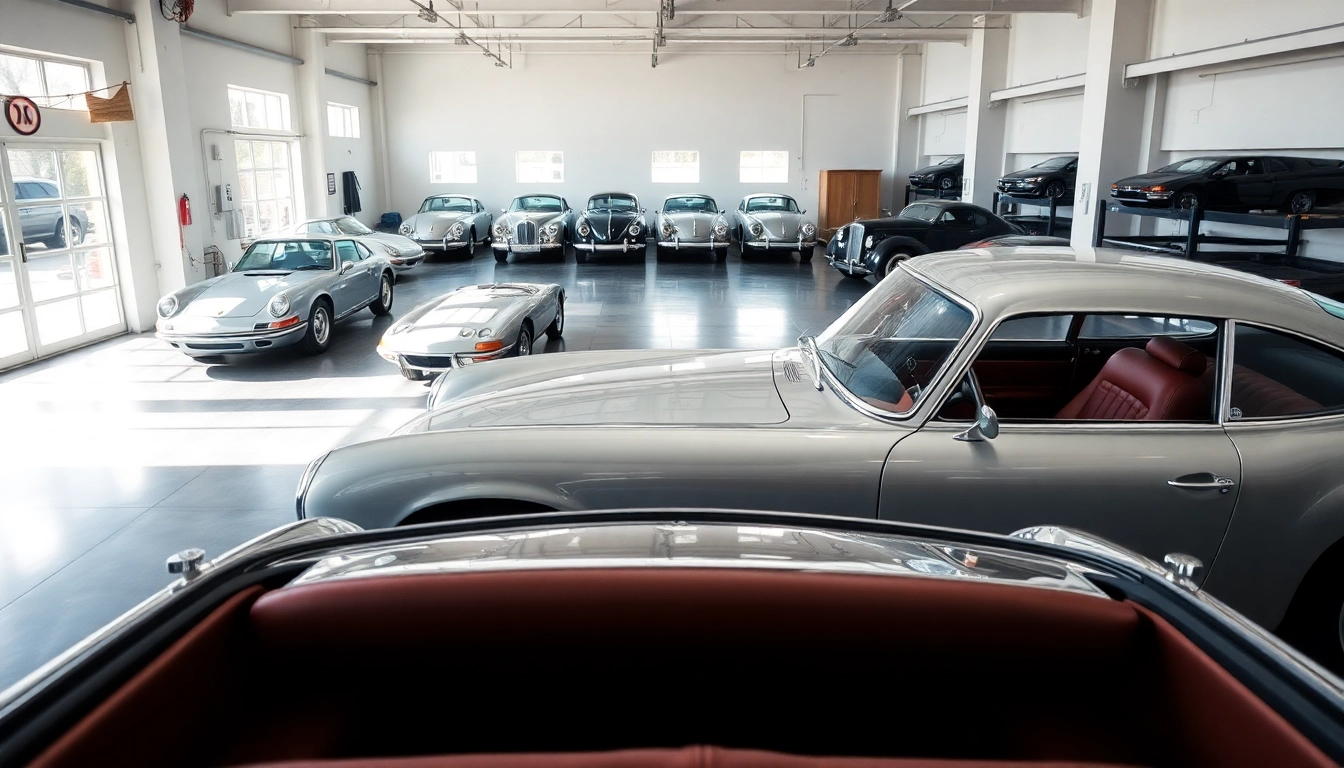
Understanding Classic Car Storage Needs
Why Classic Car Storage Matters
Classic cars are more than just vehicles; they are often significant investments, symbolizing a passion for automotive history and beauty. Proper classic car storage is essential for maintaining their value and ensuring they remain in good condition. Over time, exposure to the elements, mold, pests, and other hazards can lead to wear and tear, thus reducing the car’s value. Effective storage protects these cherished vehicles from damage and preserves their condition for future enjoyment and potential resale.
Factors Influencing Storage Decisions
Several key factors play a critical role in the decision-making process around classic car storage. These include:
- Location: Proximity to home, climate conditions, and regional considerations such as humidity or temperature extremes are essential.
- Duration: The length of time the car will be stored impacts the choice, with different needs for short-term versus long-term storage.
- Value: The investment level in the vehicle may justify higher costs for secure and quality storage solutions.
- Vehicle Type: Specific vehicles may have unique storage requirements based on design and material considerations.
Common Risks of Poor Storage
Failing to provide appropriate storage for classic cars can lead to a multitude of risks. These include:
- Environmental Damage: UV rays can fade paint jobs and deteriorate interiors, while humidity can lead to rust and mold.
- Pest Infestation: Rodents and insects can damage wiring and upholstery.
- Mechanical Failure: Lack of proper maintenance can lead to battery failure, flat tires, and other mechanical issues.
- Theft or Vandalism: Cars stored without adequate security measures are susceptible to theft or vandalism, further risking the owner’s investment.
Types of Classic Car Storage Options
Indoor vs. Outdoor Storage
Choosing between indoor and outdoor storage is fundamental and depends on several factors including environmental considerations and personal preferences.
- Indoor Storage: This is generally the best option for classic cars. It protects the vehicle from the elements, pests, and vandalism. Facilities usually offer controlled environments that can significantly reduce the risk of damage.
- Outdoor Storage: While cheaper, this option exposes classic cars to weather extremes. Protective covers may help, but they’re not always a foolproof solution. However, if the car is driven regularly, outdoor storage could work.
Climate-Controlled Storage Benefits
Climate-controlled storage provides a stable environment to shield classic cars from drastic temperature fluctuations and humidity. The benefits are numerous:
- Temperature Regulation: Maintaining a consistent temperature helps preserve paint, upholstery, and mechanical components.
- Humidity Control: Proper ventilation and humidity management reduce the risk of rust and mold, ensuring that metal components stay in excellent condition.
- Preventative Maintenance: Many climate-controlled facilities offer additional services such as regular battery checks and tire maintenance.
Short-Term vs. Long-Term Storage Solutions
Understanding whether you need short-term or long-term storage will impact your choice of facility:
- Short-Term Storage: Typically needed between seasons, this may involve less costly solutions and more flexible access arrangements.
- Long-Term Storage: Requires thorough planning and may call for specialized services such as regular inspections and maintenance to ensure the vehicle remains in optimal condition.
Essential Features of Quality Classic Car Storage
Security Features to Look For
When selecting a storage facility, ensure it offers robust security features, including:
- Surveillance Cameras: Monitoring adds a critical layer of security.
- Alarm Systems: Alerts for unauthorized access protect your vehicle.
- Secure Access: Restricted entry points and secure locks prevent unauthorized access.
Accessibility and Convenience
Accessibility to the classic car is vital, especially for those who enjoy driving their vehicles regularly. Consider the following:
- Operating Hours: Flexible access hours can allow you to retrieve your vehicle whenever needed.
- Location: The facility should ideally be near your home or frequently visited areas, making it easy to access.
Maintenance and Care Provided
Quality storage facilities often offer maintenance services. These may include:
- Regular Inspections: Staff can monitor the vehicle for potential issues like leaks or battery decline.
- Cleaning Services: Options such as periodic washes or detailing can help keep the vehicle looking its best.
- Tire and Battery Maintenance: Regular checks ensure that both remain in good condition, preventing common issues.
Costs and Budgeting for Classic Car Storage
Understanding Storage Fees
Costs for classic car storage can vary significantly based on various factors including location, facility type, and additional services. It is essential to understand:
- Base Fees: Know the price of space rental and typical terms associated with it.
- Additional Services: Be aware of any supplemental fees for maintenance, climate control, or security upgrades.
- Variable Costs: Ensure you ask about potential fluctuations based on seasonal demands.
Budgeting for Long-Term Care
Long-term storage costs go beyond just rent. Budgeting should include:
- Routine Maintenance: Plan for regular servicing that can prevent expensive repairs down the line.
- Insurance Costs: Ensure adequate coverage is maintained throughout the storage period.
- Potential Upgrades: Allocate funds for security upgrades or facility enhancements as needed.
Finding the Right Balance
Finding a balance between cost and value is essential for classic car storage. Assess your priorities — whether it’s security, climate control, or accessibility — and weigh these against your budget constraints. It’s often worth investing a little more for higher quality storage solutions that will protect your investment in the long run.
Frequently Asked Questions About Classic Car Storage
How can I ensure my classic car is safe in storage?
Make sure to choose a facility with robust security measures, climate control, and regular maintenance services. Always inspect the space before storing your vehicle.
What type of storage is best for vintage cars?
Indoor, climate-controlled storage is ideal for vintage cars as it helps to protect the vehicle from environmental damage and maintain its condition.
Is climate control necessary for classic car storage?
While not always necessary, climate control is highly recommended, especially in regions with extreme temperatures or humidity, to prevent rust and deterioration.
How frequently should I check on my car in storage?
Ideally, visit your classic car every few months to check on its condition, ensuring it remains in good repair and performs well.
Can I access my classic car at any time?
Access depends on the storage facility’s policies. Many offer flexible hours, but it’s essential to confirm their rules before choosing a service.