
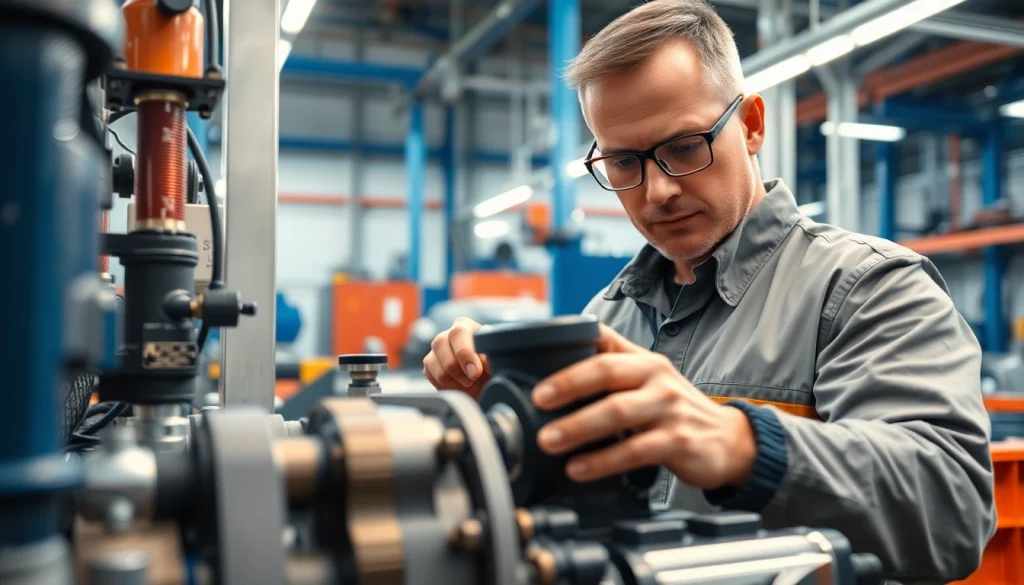
Understanding Hydraulic System Maintenance
Hydraulic systems play a critical role in various industries, powering everything from heavy machinery to simple tools. Ensuring the proper functioning of these systems is integral to operational efficiency and safety. In this guide, we delve into the essential aspects of hydraulic system maintenance, helping you appreciate both its importance and its best practices.
Importance of Regular Maintenance
Regular maintenance of hydraulic systems is paramount for multiple reasons. Firstly, it enhances performance and efficiency. Hydraulic systems are intricately designed, and any neglect can lead to reduced operational efficiency, which translates into higher energy costs.
Moreover, regular maintenance helps in identifying and rectifying potential issues before they escalate into significant problems, ensuring safety for operators and reducing equipment downtime. Studies show that well-maintained hydraulic systems significantly extend the lifespan of components, minimizing the need for costly replacements.
Key Components of Hydraulic Systems
Understanding the fundamental components of hydraulic systems is crucial for effective maintenance. Key elements include:
- Hydraulic Fluid: This ensures lubrication and power transmission within the system.
- Pumps: They generate flow for the hydraulic fluid, converting mechanical energy into hydraulic energy.
- Cylinders: Essential for converting hydraulic energy back into mechanical energy, driving movements in machinery.
- Valves: Control the flow and pressure of the hydraulic fluid, managing the operation of the system.
- Filters: These are critical for removing contaminants from the hydraulic fluid, ensuring clean operation.
Each of these components plays a vital role, and understanding them helps in recognizing when and how to perform necessary maintenance tasks.
Common Maintenance Mistakes
Despite the clear benefits, many still fall prey to common maintenance mistakes:
- Neglecting regular inspections can lead to missed opportunities to catch issues early.
- Using the wrong hydraulic fluid type can damage components and hinder performance.
- Failure to adhere to a cleaning schedule can result in contamination that compromises system integrity.
- Ignoring manufacturer guidelines for maintenance schedules and procedures can lead to many avoidable issues.
Being aware of these pitfalls can significantly enhance the performance and longevity of hydraulic systems.
Best Practices for Hydraulic System Maintenance
Scheduled Inspections
Implementing a strict schedule for inspections is fundamental to successful hydraulic system maintenance. Regular checks allow operators to monitor system performance, identify irregularities, and implement corrective actions promptly.
It is advisable to establish a routine that includes daily, weekly, and monthly checks. Daily checks should focus on visible leaks and abnormal noises, while monthly inspections can review fluid levels and filter conditions. Comprehensive inspections should ideally be scheduled quarterly or semi-annually, encompassing a thorough evaluation of the entire system.
Fluid Quality and Replacement
Hydraulic fluid quality is paramount. Contaminated or degraded fluid can lead to significant component wear and system failure.
Routine fluid testing for viscosity, acidity, and contamination levels should be integral to the maintenance regimen. Replacing fluid as recommended by manufacturers ensures the optimal performance of hydraulic systems. Operators must follow fluid specifications closely, as incorrect fluids can have adverse effects on the system.
Cleaning and Leak Prevention
A clean hydraulic system is vital for preventing premature failure. Accumulated dirt and debris can contaminate hydraulic fluids, leading to wear and operational issues.
Establishing a cleaning protocol for hydraulic systems ensures that all components remain free from contaminants. Regularly checking and maintaining seals and fittings is also essential to prevent leaks. Addressing leaks quickly not only protects the environment by reducing fluid waste but also ensures optimal system performance.
Advanced Techniques in Hydraulic System Maintenance
Monitoring System Performance
Integrating technology into maintenance routines improves efficiency and reliability in hydraulic systems. Monitoring performance through integrated sensors and diagnostic tools provides real-time data on system health, allowing for predictive maintenance activities.
Using advanced analytics, operators can predict when components might fail based on usage patterns and historical data, thus scheduling maintenance proactively and minimizing unexpected downtime.
Implementing Technology for Maintenance
Modern hydraulic systems benefit significantly from advancements in technology. Digital maintenance platforms can track service history, alert users of upcoming maintenance tasks, and provide reminders for fluid changes.
By leveraging these technologies, maintenance teams can ensure that critical information stays documented, decisions are data-driven, and maintenance efforts are synchronized across the organization.
Training Personnel for Best Practices
The effectiveness of hydraulic system maintenance is closely tied to the skill level of personnel. Training and educating staff on maintenance protocols, software tools, and safety practices ensure that best practices are consistently followed.
Regular training sessions can empower employees to identify issues early and handle maintenance tasks efficiently, ultimately contributing to overall system health and performance.
Cost Implications of Poor Hydraulic System Maintenance
Downtime and Repairs
One of the most significant financial repercussions of inadequate hydraulic system maintenance is increased downtime. Equipment failures lead to halted operations and productivity losses that can be financially debilitating.
Establishing a budget for maintenance can prevent these costly interruptions. Investing in routine checks can save organizations from the expense of major repairs or total replacements down the line.
Long-term Equipment Lifespan
Proper maintenance directly correlates to the longevity of hydraulic equipment. By neglecting maintenance, operators risk shortening the life of critical machinery, leading to frequent replacements and additional costs.
Regular maintenance not only extends machine lifespans but also retains their resale value, presenting a more favorable financial picture for the company. Understanding this relationship is crucial for strategic financial planning.
Financial Planning for Maintenance
Effective budgeting for maintenance activities includes implementing various preventive measures. Organizations should allocate funds for routine checks, training sessions, and system upgrades to minimize the risk of costly failures.
Creating a detailed maintenance plan that outlines tasks, schedules, and associated costs ensures that companies are prepared for both planned and unplanned expenses, thus maintaining healthy financial management.
FAQs About Hydraulic System Maintenance
What are the signs of needing hydraulic system maintenance?
Signs include unusual noises, fluid leaks, irregular pressure readings, and reduced operational efficiency. Monitoring these indicators is critical for timely maintenance.
How often should hydraulic systems be inspected?
Regular inspections should be conducted at least once a quarter; however, more frequent checks may be necessary for critical or heavily used systems to ensure optimal performance.
What fluids are best for hydraulic systems?
Use fluids recommended by manufacturers based on system design and operational conditions. Adhering to these specifications is essential for optimal performance and reliability.
Can I perform maintenance tasks myself?
Yes, but it’s vital to be trained and familiar with safety protocols and maintenance guidelines. Proper training ensures effective handling of maintenance activities without compromising safety.
What are the benefits of routine hydraulic system maintenance?
Regular maintenance enhances performance, reduces downtime, improves safety, and extends the lifespan of hydraulic components, leading to significant long-term savings.