Understanding Vinyl Flooring
What is Vinyl Flooring?
Vinyl flooring is a synthetic flooring material that has gained immense popularity for its versatility, aesthetic appeal, and affordability. Made from polyvinyl chloride (PVC) plastic, it is designed to mimic the appearance of natural materials like hardwood, stone, or tile. This type of flooring is available in various forms, including sheets, tiles, and luxury vinyl planks (LVP), allowing homeowners to select an option that suits their décor and functional needs. With its moisture resistance and durability, vinyl flooring is commonly used in residential and commercial spaces alike.
Benefits of Vinyl Flooring
One of the main advantages of vinyl flooring is its affordability compared to other flooring materials. This economical option does not compromise on style, offering countless designs, colors, and textures that can elevate any space. In addition to aesthetic appeal, vinyl flooring is renowned for its durability and resilience. It can stand up to heavy traffic, spills, and scratches, making it ideal for homes with children or pets. Furthermore, it is generally easy to clean and maintain, unlike natural wood or stone flooring that may require specialized care. Another significant benefit is sound insulation; many vinyl flooring options have an underlayment that helps absorb noise, contributing to a quieter home environment.
Types of Vinyl Flooring
Vinyl flooring can be categorized into several types, each with its distinct features and installation methods:
- Sheet Vinyl: Typically sold in large rolls, sheet vinyl is commonly used in areas where moisture is a concern, such as kitchens and bathrooms. It provides a seamless look, reducing the chances of water infiltration.
- Vinyl Tiles: Available in square or rectangular shapes, vinyl tiles can mimic the appearance of natural materials such as stone or ceramic tiles. They can be laid in a variety of patterns, allowing for creative designs.
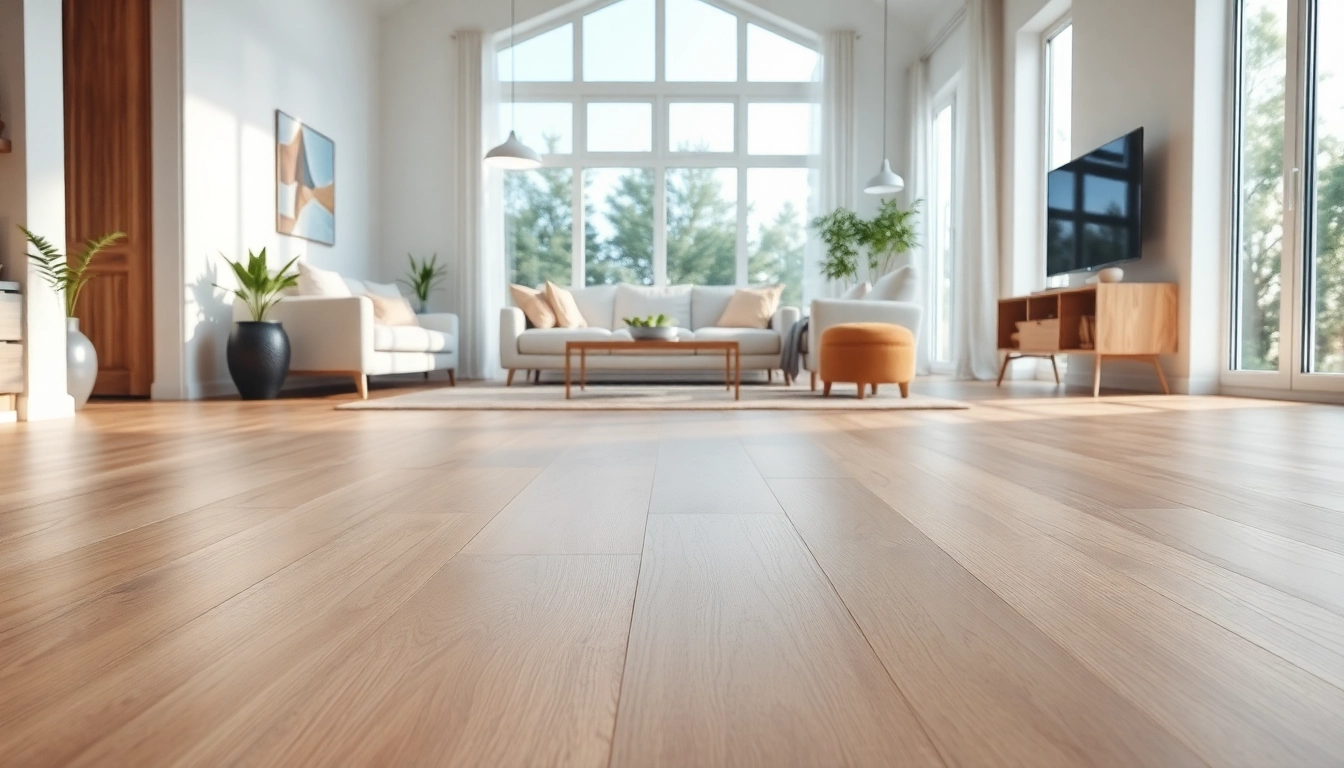
- Luxury Vinyl Planks (LVP): This format replicates the visual appeal of hardwood flooring, using detailed images of wood grain and textures for a realistic appearance. LVP is often thicker and engineered for greater durability.
Choosing the Right Vinyl Flooring
Factors to Consider
When selecting vinyl flooring, several factors come into play. First, consider the area where the flooring will be installed. High-moisture areas like bathrooms or basements may benefit from sheet vinyl or waterproof LVP. The amount of foot traffic should also influence your choice; heavier traffic areas might require more durable, thicker materials. Next, assess your budget. While vinyl flooring is generally more affordable than hardwood or tile, prices can vary based on type and quality. Lastly, take into account the aesthetics—ensure the style and color complement the overall look of your home.
Vinyl Flooring vs. Other Flooring Options
When comparing vinyl flooring to other flooring options, its unique benefits become evident. For instance, hardwood flooring, while stunning, requires significant maintenance and is prone to scratching and water damage. On the other hand, ceramic tiles are durable but can be cold underfoot and challenging to install. Vinyl flooring stands out as a low-maintenance solution that is resistant to moisture, making it an ideal alternative for busy households. Additionally, the comfort underfoot provided by vinyl, often enhanced by cushioning underlayment, can make a significant difference in everyday living compared to harder surfaces.
Selecting the Best Style
Choosing the best style of vinyl flooring largely depends on the desired aesthetic of your home. Natural wood finishes are a popular choice for homeowners looking for warmth and charm, whereas bold, patterned tiles can make a statement in kitchens or entryways. It’s also essential to consider color trends; lighter tones can make small spaces feel more expansive, while darker shades add sophistication to larger areas. Don’t forget to factor in how the flooring will coordinate with existing furnishings and color schemes to create a cohesive look.
Installation Process of Vinyl Flooring
Preparing the Space for Installation
Before embarking on the installation of vinyl flooring, proper preparation is vital for achieving the best results. Begin by assessing the subfloor; it should be clean, dry, and level. Any imperfections can affect the appearance and performance of the vinyl. Remove any old flooring, and ensure the area is adequately prepped, potentially using a self-leveling compound for uneven surfaces. Consider allowing the vinyl material to acclimate to the room’s temperature and humidity for a day before installation to avoid expansion or contraction post-install.
DIY Installation Tips
If you opt for a DIY installation of vinyl flooring, the process can be straightforward but requires attention to detail. Start by measuring the space and cutting the vinyl to size, allowing for expansion gaps along walls. For sheet vinyl, use a utility knife for accurate cuts, while for vinyl tiles, a straightedge can facilitate precise measurements. After that, it’s crucial to follow the adhesive instructions if you’re using glue-down vinyl. Ensure that tiles are applied in a staggered pattern to enhance stability and visual appeal. Finally, rolling over the newly installed floor with a floor roller will help eliminate air bubbles and ensure a secure bond.
Hiring a Professional Installer
While some homeowners may choose to tackle vinyl flooring installation themselves, hiring a professional can save time and ensure a flawless finish. Professional installers possess the experience necessary to navigate challenges such as subfloor issues, confined spaces, and intricate laying patterns that typically require expertise. Additionally, many professional services guarantee their work, providing peace of mind that your flooring will be installed flawlessly and last for years to come.
Maintaining Your Vinyl Flooring
Cleaning and Care Instructions
Maintaining vinyl flooring is essential to prolong its lifespan and appearance. Regular sweeping or vacuuming will prevent dirt and debris from scratching the surface. For deeper cleaning, use a damp mop and mild detergent; avoid abrasive cleaners that can dull the finish. For stains, promptly cleaning with a specific vinyl cleaner can prevent the issue from setting in, ensuring your flooring remains vibrant and beautiful.
Common Issues and Solutions
Despite its durability, vinyl flooring can encounter issues over time. One common problem is fading due to prolonged exposure to sunlight; using area rugs or curtains can minimize direct light on your flooring. In addition, if you notice seams beginning to lift, adding heat with a hairdryer and pressing them back down with a weighted object can help reseal the edges. If the flooring begins to feel uneven, inspect the subfloor for moisture or damage that may need addressing.
Extending the Lifespan of Your Vinyl Flooring
To maximize the lifespan of your vinyl flooring, implementing a few proactive measures can make a significant difference. Ensure proper rugs are placed at entry points to catch dirt and moisture from shoes. Consider periodically applying a protective finish meant specifically for vinyl flooring to enhance durability and provide a fresh appearance. Regularly check for any signs of wear or damage and address issues immediately to prevent further complications. Following these steps will help your vinyl flooring remain an attractive feature in your home for years.
Frequently Asked Questions
What are the main advantages of vinyl flooring?
The main advantages include affordability, durability, moisture resistance, ease of maintenance, and a variety of styles to match any décor.
How do I clean and maintain vinyl flooring?
Regular sweeping, damp mopping with mild cleaner, and addressing stains promptly will maintain vinyl flooring effectively.
Can vinyl flooring be installed over existing flooring?
Yes, vinyl flooring can often be installed over existing flooring, provided the surface is clean, dry, and level.
Is vinyl flooring waterproof?
Most vinyl flooring options are water-resistant or waterproof, making them an excellent choice for bathrooms and kitchens.
How long does vinyl flooring last?
With proper care, vinyl flooring can last 10 to 20 years, depending on the quality and amount of foot traffic it endures.