
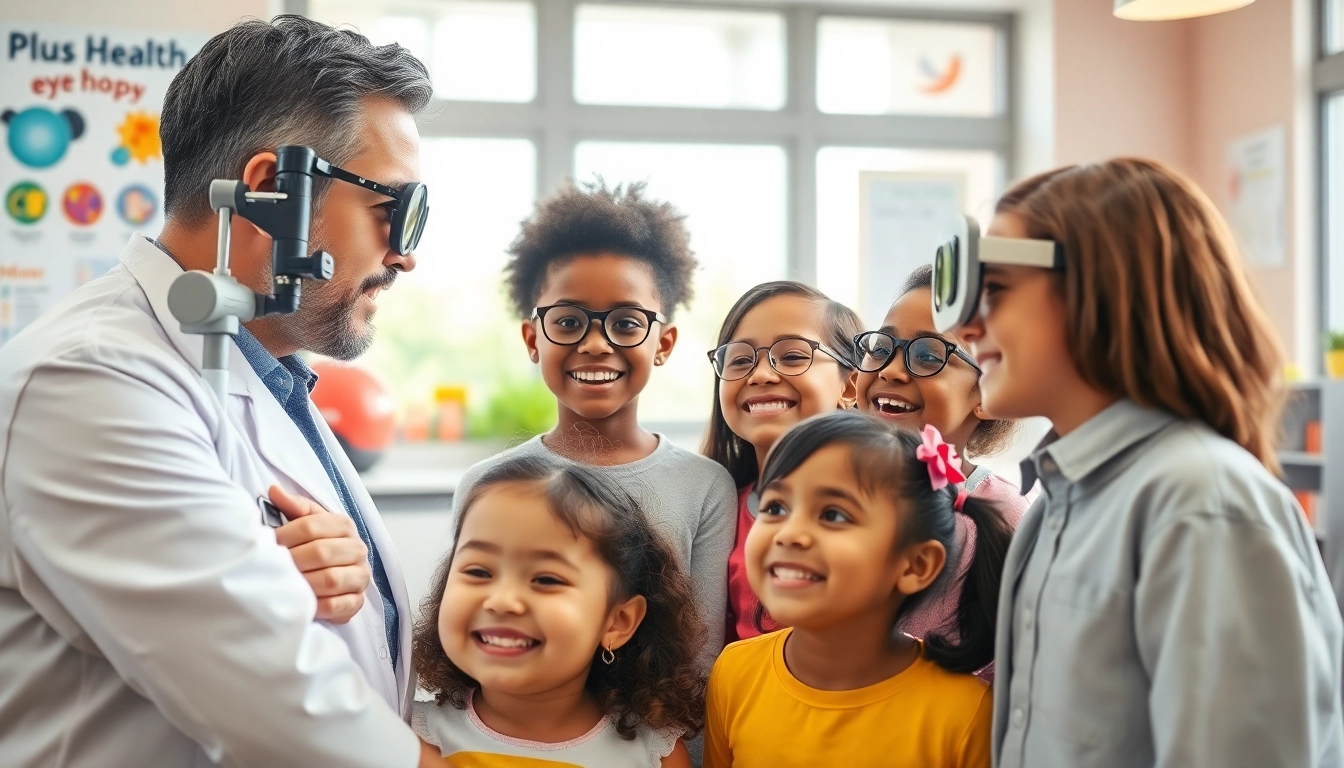
Understanding Our Children’s Vision
Vision is a fundamental aspect of childhood development, playing a crucial role in education, social interactions, and overall well-being. Unfortunately, millions of children worldwide suffer from untreated vision problems that can significantly impede their potential. Understanding these challenges and advocating for effective strategies is essential for fostering healthy eye development in youth. One notable initiative committed to this cause is Our Children’s Vision, a global campaign designed to promote accessible eye care for children everywhere. This article delves into vital aspects of children’s vision health, including common problems, advocacy, best practices, and the future of eye care innovation.
What is Our Children’s Vision?
Our Children’s Vision is an international movement that raises awareness around the vital issue of children’s eye health. The campaign strives to unite stakeholders—from healthcare providers and educators to parents and policymakers—to improve the availability and quality of eye care services for children and adolescents. By employing a collective approach to advocacy and awareness, this initiative aims to ensure that all children can attain the eye care resources they need for healthy development.
Importance of Eye Health for Children
Good vision is imperative for children as it supports their ability to learn and interact with the world around them. A staggering percentage of children in safety nets of educational programs rely on visual skills to access learning materials effectively. Compromised vision can lead to difficulties in reading, writing, and engaging in physical activities, which can adversely impact a child’s academic performance and social development. Thus, ensuring children receive proper eye care initiates a ripple effect of benefits that enhance educational outcomes and quality of life.
Common Vision Problems in Children
Several vision issues are prevalent among children, fundamentally affecting their daily routines. Common problems include:
- Refractive Errors: This includes conditions such as myopia (nearsightedness), hyperopia (farsightedness), and astigmatism. These issues stem from the eye’s inability to focus light correctly, leading to blurred vision.
- Amblyopia: Often referred to as “lazy eye,” amblyopia occurs when one eye does not develop proper vision, sometimes due to strabismus (crossed eyes) or significant differences in refractive error between the eyes.
- Strabismus: This condition involves the misalignment of the eyes, which can result in double vision or depth perception issues.
- Visual Processing Disorders: Children with these disorders have difficulty interpreting visual information, affecting their ability to perform tasks that require visual coordination.
Advocating for Eye Care Accessibility
Despite the significant number of children facing vision challenges, many lack access to adequate eye care services. Advocacy for eye care accessibility is crucial to addressing systemic barriers, ultimately ensuring that every child receives the vision support they require.
Barriers to Eye Care Access
Access to eye care for children can be impeded by various factors, including:
- Financial Constraints: The cost associated with eye examinations and corrective eyewear can be significant, particularly for low-income families.
- Geographical Limitations: In many rural or underserved areas, there is a lack of eye care professionals, leading to longer distances for families needing services.
- Lack of Awareness: Some parents may not recognize the importance of regular eye checks or may misinterpret the signs of vision problems, delaying access to care.
- Educational Limitations: Schools may not have systematic programs in place to identify and respond to vision issues among students, affecting timely intervention.
Initiatives Supporting Our Children’s Vision
Various initiatives support the overarching goals of Our Children’s Vision by providing resources, funding, and advocacy efforts aimed at enhancing access to eye health care. Such programs often involve public-private partnerships, leveraging resources effectively to raise awareness and mobilize communities. Key elements include:
- Community Screenings: Providing free or low-cost vision screenings in schools or local health clinics can help identify children with undiagnosed problems.
- Educational Campaigns: Awareness initiatives aimed at parents, educators, and health professionals can highlight the importance of routine eye care and early detection of issues.
- Policy Advocacy: Engaging with policymakers to promote supportive legislation, funding for children’s eye health, and equitable access to care resources is crucial.
The Role of Communities in Eye Health Advocacy
Communities play an indispensable role in advocating for children’s eye health. Local organizations, schools, and health providers can collaborate on initiatives tailored to their specific populations. Community engagement can involve:
- Local Partnerships: Establishing partnerships with local health organizations can create a support network that shares resources and positions services closer to those in need.
- Awareness Programs: Hosting workshops or educational sessions focused on eye health can empower families to prioritize vision care.
- Volunteer Initiatives: Mobilizing volunteers to assist with screenings or educational outreach can build a sense of community responsibility toward children’s eye health.
Best Practices in Eye Health for Children
An effective approach to promoting children’s eye health includes implementing best practices regarding routine examinations, home habits, and schools. Clinicians, educators, and parents all have vital roles in this process.
Routine Eye Examinations
Regular eye examinations are critical in early detection of potential vision issues. Healthcare professionals recommend that children have their first eye exam by the age of one, followed by subsequent checks at ages three and five, and then annually thereafter. Such appointments allow for timely intervention, particularly for conditions that can be treated effectively when diagnosed early, such as refractive errors or amblyopia.
Healthy Eye Habits at Home
Parents can also promote healthy eye habits at home. Encouraging habits like:
- Screen Time Management: Limiting screen time and encouraging breaks during continuous screen use can reduce eye strain.
- Outdoor Activities: Researchers have noted that spending time outdoors can help reduce the risk of developing myopia in children.
- Nutritious Diet: A diet rich in fruits, vegetables, and omega-3 fatty acids supports overall eye health.
Integrating Eye Health into School Programs
Schools can integrate comprehensive eye health programs into their curriculum. Initiatives can include:
- Vision Screening Programs: Implementing routine vision checks as part of health assessments can catch issues early.
- Educational Sessions: Incorporating lessons about eye health into health education helps instill awareness from a young age.
- Parent Involvement: Engaging parents through informational workshops increases awareness and proactive health-seeking behavior.
Case Studies on Effective Eye Health Initiatives
Learning from successful eye health initiatives worldwide can provide insight into effective strategies for enhancing children’s vision care. Case studies illustrate varied approaches and outcomes.
Successful Programs Promoting Our Children’s Vision
Some notable case studies include programs that have effectively improved access to eye care:
- School-Based Vision Programs: Many schools have partnered with local health departments to offer comprehensive vision screening services, significantly increasing the number of children getting the necessary care.
- Mobile Eye Care Units: In areas with limited access to services, mobile units equipped with eye care professionals travel to communities, providing screenings and corrective eyewear on-site.
Impact of Community Health Engagement
Engaging the community in eye health advocacy has demonstrated substantial positive effects. Initiatives that mobilize community members not only provide more accessible eye care but also foster a culture of awareness and preventative care. Results include:
- Increased Screening Rates: Communities report higher rates of children receiving timely eye examinations after targeted outreach programs.
- Bigger Networks: As individuals engage, they generate wider networks of support that can facilitate additional resources and services, thus amplifying the program’s reach.
Long-term Outcomes for Children’s Eye Health
Effective interventions not only provide immediate assistance but also contribute to long-term positive outcomes. Improved rates of timely diagnoses lead to treatments that can make a significant difference in a child’s education and quality of life, allowing children to thrive academically and socially. Long-term monitoring involves tracking improvements in academic performance and social engagement, which can be attributed to timely vision care.
Future Directions for Children’s Eye Health
The future of children’s eye health is promising due to continuous innovations in technology, advocacy, and coalition-building efforts that address systemic barriers to eye care.
Innovations in Eye Care Technology
Advancements in eye care technology offer hope for early detection and intervention. Techniques such as tele-optometry can bridge gaps in accessibility, allowing eye care professionals to assess vision concerns remotely. Digital tools for screening and diagnosing eye conditions can also make eye care more efficient and widespread.
Coalitions for Vision Advocacy
The establishment of coalitions focused on children’s vision can strengthen advocacy efforts, uniting various stakeholders with common goals. Collaborative efforts can foster funding opportunities and research initiatives to address critical gaps in eye health knowledge and service delivery.
Setting Goals for Our Children’s Vision Campaigns
As we look ahead, establishing clear objectives for initiatives under Our Children’s Vision will be imperative. Goals may include enhancing screening rates, improving public awareness, and increased funding for eye health programs. These targets will help to strategize tangible actions within communities and healthcare systems to ensure children receive the care they need.