Understanding the Benefits of Standing Seam Metal Roof
Choosing a roofing material for your home or commercial building is an essential decision that can impact everything from energy efficiency to aesthetics. One trending option in the roofing industry is the standing seam metal roof. This roofing style is gaining popularity due to its numerous benefits. In this section, we’ll explore the significant advantages of installing a standing seam metal roof, focusing on its durability, energy efficiency, and aesthetic appeal.
Durability and Longevity of Standing Seam Metal Roof
One of the primary benefits of a standing seam metal roof is its remarkable durability. Unlike conventional roofing materials like asphalt shingles, metal roofs can withstand extreme weather conditions, including high winds, heavy rain, and snow accumulation. This robustness is primarily due to the materials used, often consisting of steel or aluminum that is designed to resist corrosion, fading, and cracking.
On average, a standing seam metal roof has a lifespan of 40 to 70 years, which is significantly longer than most other roofing materials. This longevity means that homeowners and business owners can save on replacement costs and maintenance, making it a worthwhile investment over time.
Energy Efficiency Features
Energy efficiency is a critical consideration in modern building design, and standing seam metal roofs excel in this area. The reflective properties of metal surfaces help to deflect solar heat, which can significantly reduce cooling costs during hot summer months. Studies have shown that metal roofs can decrease energy consumption by up to 25% when compared to conventional roofing materials.
Many standing seam metal roofs also have insulation options that further enhance their energy efficiency. By providing additional thermal resistance, these roofs contribute to a stable indoor environment, keeping homes cooler in the summer and warmer in the winter, creating significant savings on utility bills.
Aesthetic Appeal and Design Options
A standing seam metal roof is not only functional but also aesthetically versatile. Available in various colors and finishes, these roofs can complement any architectural style, enhancing the overall appearance of a building. The sleek, contemporary look of standing seam panels can elevate a property’s curb appeal while also providing opportunities for creative design.
Moreover, many homeowners appreciate that standing seam roofs can be designed with various profiles, including curved and angled seams, which can deliver unique architectural features. This flexibility allows for creative expression while also ensuring individual preferences and intentions in design and style can be met.
Key Components of a Standing Seam Metal Roof
Understanding the structure and components of a standing seam metal roof is crucial for homeowners when considering this option. Knowing the types of materials, essential design elements, and the installation process can help in making informed decisions.
Types of Materials Used
The materials utilized in standing seam metal roofing play a significant role in its performance and longevity. The most commonly used metals are steel, aluminum, and copper. Steel is often treated with a protective coating to prevent rust and corrosion, while aluminum provides a lightweight option that resists oxidation.
Additionally, the gauge of the metal can impact the longevity and durability of the roof. Thicker gauges (e.g., 24-gauge) are generally considered more robust and suitable for harsh weather environments, while thinner gauges (e.g., 26-gauge) can offer a cost-effective solution for milder climates. Homeowners should consider both their local climate and budget when selecting materials.
Essential Design Elements
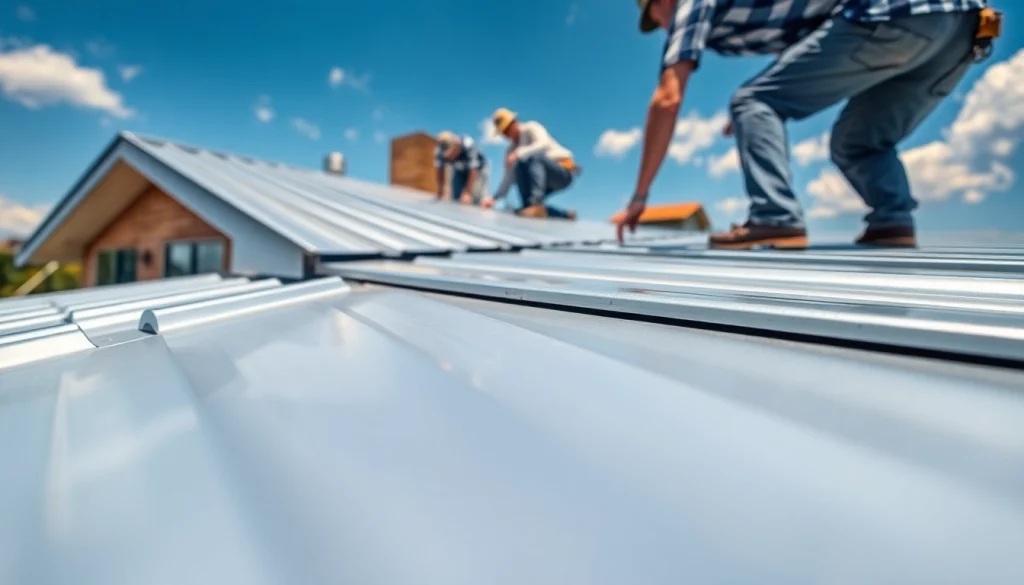
The design of a standing seam metal roof is characterized by vertical panels that interlock at the seams, which can be either snap or trapezoidal seam design. These interlocking seams enhance water drainage and resistance, firmly locking out moisture and preventing leaks.
Moreover, the panel width, panel height, and seam profile can be altered to reflect the aesthetic preference of the homeowner while also meeting performance needs. A well-designed metal roof should also consider proper ventilation as part of the system, enabling energy efficiency and preventing heat buildup.
Installation Process Overview
Installing a standing seam metal roof requires specific expertise, and understanding the overview of the installation process can help maintain quality and performance. The initial step involves assessing the existing roof structure to ensure proper support and addressing any necessary repairs before installation.
Next, the installer must determine the correct measurements and cut the metal panels accordingly. The installation begins with the underlayment, followed by attaching the panels, ensuring proper alignment along with securing the clips. Professional installation is crucial, as mistakes during installation can lead to issues such as water leakage or poor thermal performance.
Cost Considerations for Standing Seam Metal Roofs
While the benefits of a standing seam metal roof are significant, prospective buyers should also consider the costs related to installation, materials, maintenance, and long-term investment. This section provides an overview of essential cost considerations involved in this roofing option.
Budgeting for Materials and Labor
When planning the budget for a standing seam metal roof, it is crucial to factor in both the cost of materials and labor. The price of materials can vary based on factors such as metal type, gauge, and finish. Typically, standing seam metal roofs range from $7 to $15 per square foot, which includes labor costs, depending heavily on the complexity of the installation and the geographic location.
Additionally, obtaining multiple quotes from different roofing contractors can help ensure a competitive and fair price without compromising quality. It’s advisable to prioritize installers with experience in metal roofing to ensure the project’s success.
Maintenance Costs Over Time
Standing seam metal roofs are known for their low maintenance requirements when compared to traditional roofing systems. However, it’s essential to incorporate some level of maintenance into the budget. Regular inspections, typically once or twice a year, involving debris removal and visual checks for any issues, should be performed.
Over time, maintenance costs may include minor repairs, such as sealing around fasteners or replacing damaged panels. Generally, these costs are low, often amounting to a few hundred dollars every few years, which emphasizes the long-term value of investing in a standing seam metal roof.
Return on Investment Analysis
A standing seam metal roof is often viewed as a long-term investment due to its durability and energy efficiency features. When analyzing the return on investment (ROI), homeowners should consider factors such as increased property value, reduced energy bills, and potentially lower insurance premiums.
Studies have shown that homes with metal roofs can sell for more than homes with other types of roofing, reflecting their increasing popularity among potential buyers. Calculating the potential savings over the roof’s lifespan can further illustrate its value—not merely as a roofing structure, but as a strategic financial decision.
Installation Best Practices for Standing Seam Metal Roof
The successful installation of a standing seam metal roof depends significantly on best practices being followed. These practices ensure that the roof performs as expected and contributes to the overall integrity and longevity of the building.
Preparing the Roof Structure
Before installation begins, a thorough assessment of the existing roof structure is essential. Any existing roofing material should be checked for damage; if significant issues are identified, repairs should be conducted prior to installing the metal panels. Proper preparation, including ensuring all surfaces are clean and dry, will guarantee optimal results.
Additionally, adequate ventilation must be planned during preparation to allow for proper airflow beneath the metal roof, which is important for preventing heat buildup, especially in hot climates.
Choosing the Right Installer
Selecting a qualified installer is crucial for ensuring the long-term success and performance of a standing seam metal roof. Look for professionals who specialize in metal roofing and have positive reviews and testimonials. It’s advisable to ask for references and check their previous work to gauge their proficiency and understand their installation process.
Working with an experienced installer ensures compliance with local building codes and best practices, increasing the lifespan of the roof and reducing the chance of costly mistakes.
Post-Installation Care and Maintenance
Once the standing seam metal roof is installed, regular maintenance and care are fundamental to longevity. Homeowners should establish a routine for inspecting the roof, especially after heavy storms or severe weather events, to eliminate debris and identify potential issues early.
Education on proper maintenance techniques is essential. Simple tasks, such as clearing out gutters and checking sealants and seams, can significantly extend the roof’s life. Should any issues arise, addressing them promptly will further preserve the roof’s integrity.
FAQs about Standing Seam Metal Roof
How long does a standing seam metal roof last?
A standing seam metal roof can last between 40-70 years, depending on materials used and maintenance practices.
Is a standing seam metal roof energy efficient?
Yes, it effectively reflects solar heat, which can significantly reduce cooling costs in warmer climates.
What colors are available for standing seam metal roofs?
A broad spectrum of colors is available, ranging from neutral tones to vibrant shades for aesthetic customization.
Can a standing seam metal roof be installed over existing shingles?
Yes, in many cases, it can be installed directly over existing roofing materials, saving time and labor costs.
Are there any special maintenance needs?
Conducting regular inspections and removing debris is essential for optimal performance and longevity of your roof.