Understanding the Basics of Studio Lighting
What is Studio Lighting?
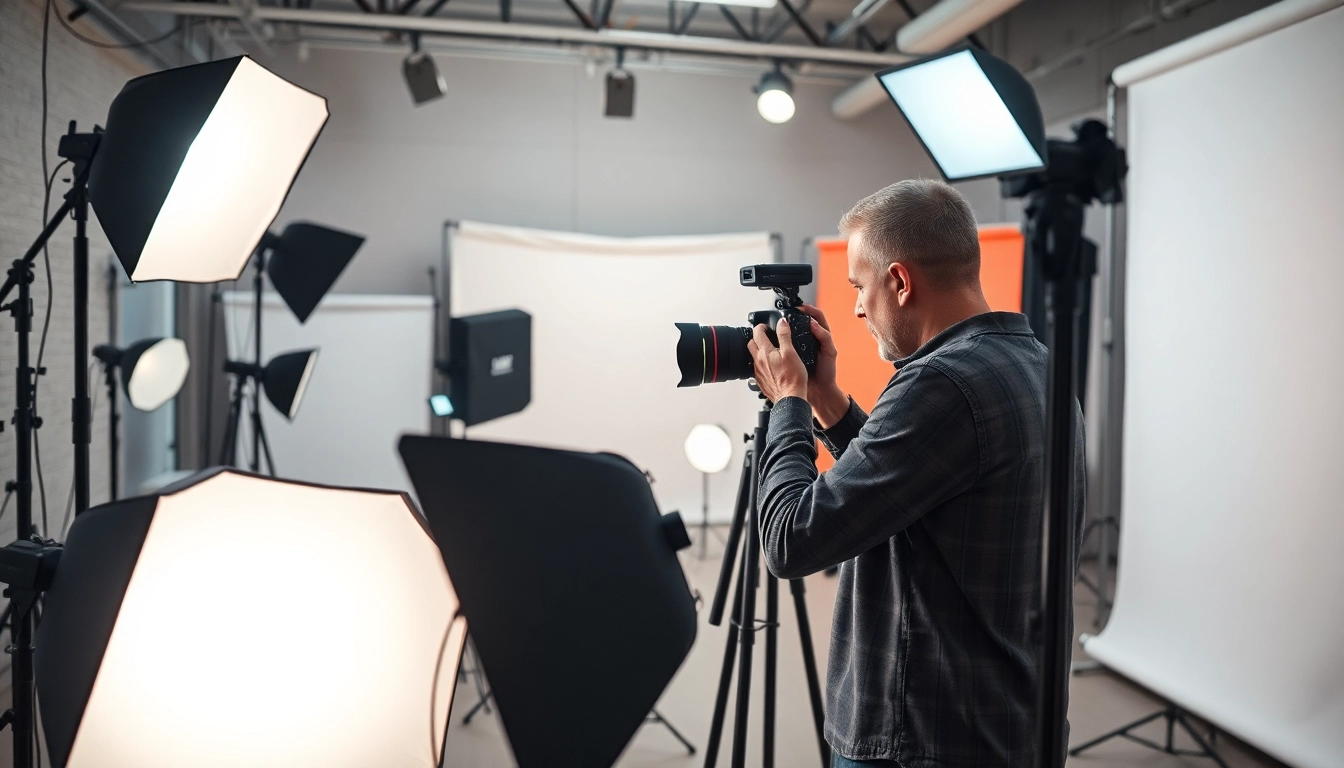
Studio lighting refers to controlled lighting setups used in photography, enabling photographers to create specific moods, effects, and highlights in their work. Unlike natural light, which varies constantly, studio lighting allows for consistent and precise lighting conditions. This control is essential for portraiture, product photography, and creative projects where the photographer desires to dictate every element of the environment. A studio lighting photography course can provide foundational knowledge and practical experience, helping photographers understand the nuances of this vital element of photography.
Types of Lighting Equipment
Choosing the right lighting equipment is paramount for achieving desired photographic effects. The common types of studio lighting equipment include:
- Light Sources: These are the foundational pieces of equipment, ranging from tungsten lamps, fluorescent lights, to powerful strobes. Each type offers differing color temperatures and intensity.
- Softboxes: These modifiers diffuse light, creating a softer, more flattering look, essential for portrait photography.
- Umbrellas: Similar to softboxes, umbrellas bounce light and can either soften it or reflect it for more focused illumination.
- Reflectors: Used to redirect light onto a subject, adding depth and dimension.
- Light Stands and Mounts: Essential for positioning lights, these tools provide stability and versatility in light placement.
Principles of Light in Photography
Understanding how light interacts with various surfaces and subjects is vital for successful photography. Key principles include:
- Quality of Light: Refers to the hardness or softness of the light source, which affects contrasts and shadows.
- Direction of Light: Determines where shadows fall and how textures are emphasized.
- Color of Light: Affects the mood; note that different light sources emanate varying color temperatures.
- Intensity of Light: The brightness levels dictate exposure settings and the overall look of the image.
Key Techniques for Effective Lighting
Three-Point Lighting Explained
Three-point lighting is a fundamental technique in studio photography, balancing three distinct light sources:
- Key Light: This is the main source of light, usually the brightest, creating the primary illumination for the subject.
- Fill Light: Positioned opposite the key light, the fill light reduces shadows created by the key light, ensuring detail is visible.
- Back Light: Also known as hair light or rim light, it adds dimension by illuminating the subject from behind, helping to separate it from the background.
Utilizing this method ensures a well-rounded look, avoiding flat images and enhancing the three-dimensional quality of the subject.
Use of Softboxes and Umbrellas
Softboxes and umbrellas serve different functions in light diffusion:
- Softboxes: These create soft, even lighting that minimizes harsh shadows. They are particularly effective for portraiture, where gentle light can enhance features.
- Umbrellas: These can either diffuse or reflect light, offering versatility. Shoot through umbrellas provide soft light, while reflective umbrellas can concentrate brightness upon a subject.
Both tools are invaluable for achieving professional-quality results, allowing photographers to manipulate light to suit their creative visions.
Controlling Light Intensity and Direction
Mastery over light intensity and direction can dramatically alter a photograph’s impact. Techniques include:
- Dimming Lights: Using adjustable lights or dimmers allows for precise control over brightness levels.
- Distance Adjustment: Moving light sources closer or farther from the subject can either soften or intensify the light effect.
- Using Flags and Gobos: These are materials used to block or redirect light, allowing for further control over harsh shadows and highlights.
Experimenting with these techniques can foster innovative results and encourage photographers to develop personal lighting styles.
Advanced Lighting Strategies
Using Color Gels for Creative Effects
Color gels are transparent filters placed over lights to alter the color of the emitted light. This technique adds creativity and emotional resonance to images:
- Color Effects: Experiment with contrasts between warm and cool tones to evoke different moods.
- Separation of Elements: Use gels to differentiate between subjects in multi-subject compositions, adding vibrancy and depth.
- Background Accents: Introducing color to the background can enhance the subject while creating a more immersive environment.
High Dynamic Range Lighting Techniques
High Dynamic Range (HDR) lighting exploits varied exposure levels to create images that encompass a broad range of intensities. Techniques in HDR include:
- Multiple Exposures: Capturing several images at different exposure settings and blending them in post-processing for enhanced detail.
- Light Painting: A creative approach using long exposure while painting light onto areas in the scene.
- Careful Light Monitoring: Using metering tools to ensure even lighting across diverse elements in HDR compositions.
Employing HDR techniques can dramatically enhance scenic and detailed photography, allowing for more expressive works.
Lighting for Various Photography Styles
Different photography styles demand distinct lighting techniques:
- Portrait Photography: Focus on softening the light using diffusers to flatter the subject’s skin tone.
- Product Photography: Utilize light tents and controlled setups to highlight product details and create attractive compositions.
- Fashion Photography: Explore dramatic lighting techniques to accentuate garments, often using high contrast and shadows.
Understanding the unique requirements of each style enables photographers to tailor their lighting setups effectively, capturing compelling and professional images.
Post-Processing Techniques for Studio Photography
Editing Light and Exposure in Software
Post-processing allows photographers to refine images further, correcting any imperfections from the lighting setup. Key practices involve:
- Exposure Adjustments: Fine-tuning brightness and contrast to achieve a more balanced image.
- Dodging and Burning: Specific areas of the image can be lightened or darkened to emphasize features.
- Highlight Recovery: Targeting overly bright areas and bringing back detail to achieve a well-rounded image.
Enhancing Colors and Shadows
Enhancing colors and shadows in post-processing can bring life to photographs:
- Color Grading: Adding mood through hue adjustments across the spectrum helps establish the intended aesthetic.
- Shadow Adjustment: Manipulating shadow tones not only increases depth but also enhances texture and detail.
- Color Calibration: Ensuring the colors in images match the original setting involves adjusting white balance and saturation levels.
Final Touches for Professional Results
Finishing touches makes images more polished and professional. Essential tasks include:
- Sharpening the Image: Slight sharpening enhances clarity and focus, drawing attention to key details.
- Crop and Alignment: Cropping unnecessary elements or realigning cameras ensure that the image composition meets professional standards.
- Final Review: Conducting a meticulous review for minor blemishes before sharing or printing solidifies the image’s professionalism.
Frequently Asked Questions
What equipment is essential for studio lighting?
Essential equipment includes light sources (strobes, softboxes), stands, reflectors, and diffusers, crucial for versatile lighting setups.
How do I achieve the best shadows in photography?
To achieve the best shadows, adjust light angles and intensity; softer diffused light produces less harsh shadows for more depth.
Can I use natural light in a studio?
Yes, natural light can enhance a studio environment. Use windows or skylights creatively along with supplemental artificial lighting.
How to choose the right backdrops?
Select backdrops based on your subject and desired aesthetic. Fabrics, papers, and textured materials can enhance visual impact.
Is it necessary to take a studio lighting photography course?
While not mandatory, a studio lighting photography course provides valuable insights, techniques, and hands-on practice that can accelerate learning.