
Understanding HEPA Filters
What is a HEPA Filter?
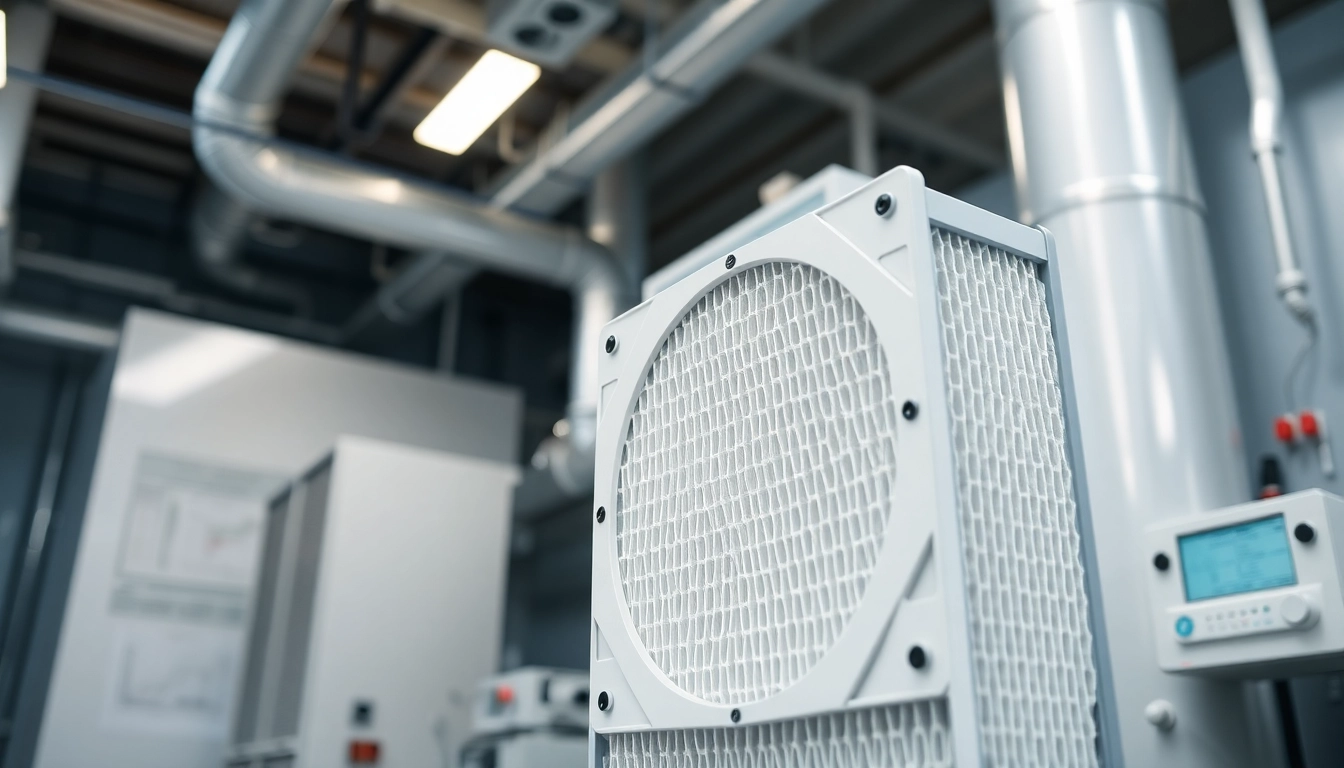
HEPA, or High-Efficiency Particulate Air, filters are a type of air filter that must satisfy specific standards set by the U.S. Department of Energy. To qualify as a HEPA filter, it must capture at least 99.97% of particles measuring 0.3 microns in diameter. These small particles include dust, pollen, mold spores, and pet dander, which are common allergens and pollutants found in indoor air. The design and structure of HEPA filters allow them to trap these microscopic irritants, making the air significantly cleaner and healthier.
Benefits of Using HEPA Filters
The use of HEPA filters provides numerous benefits for both residential and commercial environments. Firstly, they are highly effective at improving indoor air quality, which is a critical aspect of maintaining health, especially for individuals with respiratory problems, allergies, or asthma. Secondly, by removing harmful particles from the air, HEPA filters also prolong the lifespan of HVAC systems and reduce energy costs due to improved efficiency. Moreover, many HEPA filters are designed to be highly durable, offering a long service life that can help save on replacement costs over time.
Common Applications of HEPA Filters
HEPA filters are utilized in various settings to improve air quality and maintain cleanliness. Common applications include:
- Residential Air Purifiers: Home air purifiers often employ HEPA filters to remove allergens and pollutants, enhancing the quality of indoor air.
- HVAC Systems: HEPA filters can be integrated into heating, ventilation, and air conditioning systems for homes and businesses, improving the overall air quality in larger spaces.
- Medical Facilities: Hospitals and clinics rely on HEPA filtration in operating rooms and patient rooms to ensure a clean and sterile environment.
- Industrial Applications: Industries dealing with hazardous materials utilize HEPA filters in fume hoods and clean rooms to protect workers and maintain regulatory standards.
How HEPA Filters Work
Mechanisms of Air Filtration
HEPA filters use a combination of three mechanisms—interception, inertial impaction, and diffusion—to capture particles from the air. Interception occurs when airborne particles come into contact with the fibers of the filter and stick to them. Inertial impaction happens when larger particles continue in a straight line but collide with the fibers due to their mass; they can’t navigate the bends in the filter fibers and thus become trapped. Finally, the diffusion effect acts on smaller particles, causing them to deviate from their paths due to collisions with air molecules, allowing them to easily be trapped by the filter fibers.
The Science Behind HEPA Standards
The HEPA standard is not merely a marketing term; it is a scientifically established measure of a filter’s efficiency. Filters must be tested in a controlled environment, where a specific aerosolized particle size is introduced. If the filter captures at least 99.97% of these particles, it qualifies as a true HEPA filter according to strict guidelines set by the U.S. Department of Energy. These standards ensure that consumers can trust the performance of HEPA filters to deliver clean air, particularly in sensitive settings like hospitals or homes with allergy sufferers.
Comparative Analysis: HEPA vs. Other Filter Types
When evaluating air filtration options, it’s essential to understand the differences between HEPA filters and other filter types. Common alternatives include:
- Fiberglass Filters: Often used for basic dust filtration, fiberglass filters generally capture larger particles and are not designed for high efficiency, making them less effective for allergy sufferers.
- HEPA-Type Filters: While marketed similarly, HEPA-type filters do not meet the strict standards of true HEPA filters and may not perform as effectively in removing small particles.
- Activated Carbon Filters: These filters excel at trapping odors and chemical pollutants but are not efficient in capturing particulate matter.
Choosing the Right HEPA Filter
Factors to Consider for Optimal Performance
Selecting the right HEPA filter depends on several factors. Consider the specific air quality needs of your space, such as the types of allergens or pollutants present. The size of the area to be filtered is also crucial; larger spaces may require a higher capacity filter system or multiple filters to achieve optimal airflow and efficiency. Additionally, it’s important to evaluate the recommended airflow rate (CFM – cubic feet per minute) that your system can handle as too high a resistance can decrease performance. Finally, consider the filter’s lifespan and the associated maintenance costs, as these factors will impact long-term use and efficiency.
Top HEPA Filter Brands on the Market
The market offers a variety of high-quality HEPA filter brands. Some of the top performers include:
- Honeywell: Known for their home air purifiers, Honeywell produces filters that are effective and easy to replace.
- Dyson: Dyson manufactures innovative air purifiers that include advanced HEPA filtration in stylish, multifunctional designs.
- Black+Decker: This brand is well-regarded for budget-friendly HEPA filters that offer reliable performance.
- LEVOIT: A rising star in the air purification world, LEVOIT filters provide excellent filtration coupled with affordable pricing.
Home vs. Professional-Grade HEPA Filters
While both home and professional-grade HEPA filters serve the same fundamental purpose, they are designed with differing performance and durability in mind. Home HEPA filters are typically sufficient for household use, effectively capturing common allergens. Professional-grade filters, on the other hand, are built to endure harsh environments such as hospitals, laboratories, and industrial settings where higher levels of pollutants may be present. They often come with more robust filtration systems and may have additional features like redundancy to ensure continued operation in crucial situations.
Installation and Maintenance Tips
Step-by-Step Installation Guide
Installing a HEPA filter can vary slightly based on the system it is part of, but here is a general step-by-step guide:
- Turn Off Your System: Before beginning the installation process, ensure power is turned off to your HVAC or air purification system.
- Remove the Old Filter: Locate and safely remove the existing filter by following the manufacturer’s instructions.
- Inspect the Filter Compartment: Check for any debris or dirt that may have accumulated in the compartment and clean it before installing the new filter.
- Install the New HEPA Filter: Ensure the filter is oriented correctly according to the airflow direction indicated on the filter housing. Insert it securely into place.
- Restore Power: After confirming that the new filter is secure, turn the power back on to the system.
Regular Maintenance Practices for HEPA Filters
To ensure that HEPA filters continue to function effectively, regular maintenance is necessary. Follow these practices:
- Check Filters Monthly: Inspect the filters at least once a month to determine if they need to be cleaned or replaced.
- Clean or Replace Filters: Depending on usage, plan to replace HEPA filters every 6 to 12 months. Washable filters should be cleaned according to the manufacturer’s instructions.
- Monitor System Performance: Observe the airflow and performance of your system to identify any potential issues that may arise from clogged or damaged filters.
Signs It’s Time to Replace Your Filter
Understanding when to replace your HEPA filter is essential for maintaining optimal air quality. Signs that indicate it’s time for a replacement include:
- Visible dirt or discoloration on the filter.
- Smoky or musty odors persisting in the space.
- Increased allergy symptoms despite air purification efforts.
- Reduced airflow from the HVAC system, indicating a potential blockage.
Measuring Air Quality Improvement
Best Practices for Monitoring Air Quality
To assess the effectiveness of your HEPA filter and overall air quality improvement, consider implementing the following monitoring practices:
- Use Air Quality Monitors: Invest in electronic air quality monitors that measure particulate matter, humidity, and other pollutants.
- Perform Regular Inspections: Engage in consistent observations and surveys of indoor air quality over time.
- Track Allergens: Keep a log of allergy symptoms during various seasons to correlate them with air quality data and filtration performance.
Performance Metrics for HEPA Filters
To quantify the effectiveness of HEPA filters in improving air quality, certain performance metrics can be utilized:
- CADR Ratings: The Clean Air Delivery Rate (CADR) indicates how effective a filter is at removing smoke, dust, and pollen from the air.
- Filter Efficiency: This is measured in terms of the percentage of particles captured at different sizes.
- Air Changes Per Hour (ACH): This metric assesses how many times the air within a particular space is completely replaced within an hour, indicating the effectiveness of air purification.
Case Studies: Success Stories with HEPA Filters
In order to appreciate the real-world efficacy of HEPA filters, consider the following success stories.
- Hospital Air Quality Improvement: A local hospital implemented a new HVAC system with HEPA filtration, resulting in a reported 50% decrease in airborne pathogens, corroborated by microbial air quality testing.
- Residential Allergy Relief: A family with asthma noticed a significant reduction in allergy symptoms after installing a HEPA air purifier. Their monitoring over a year showed better airflow and reduced pet dander levels through pre-and post-installation air tests.