Understanding Wall Boards
What are Wall Boards?
Wall boards are versatile materials used to finish and decorate interior walls. They serve both aesthetic and functional purposes, acting not only as decorative elements but also providing insulation, soundproofing, and structural support. These continuous sheets easily cover imperfections in walls and enhance the overall look of a room. Whether you want to create a rustic ambiance with wood panels or a sleek, modern home with PVC, wall boards come in various styles, materials, and textures to suit any design preference.
Types of Wall Boards Available
Wall boards differ based on the materials and designs used. Below are some popular types:
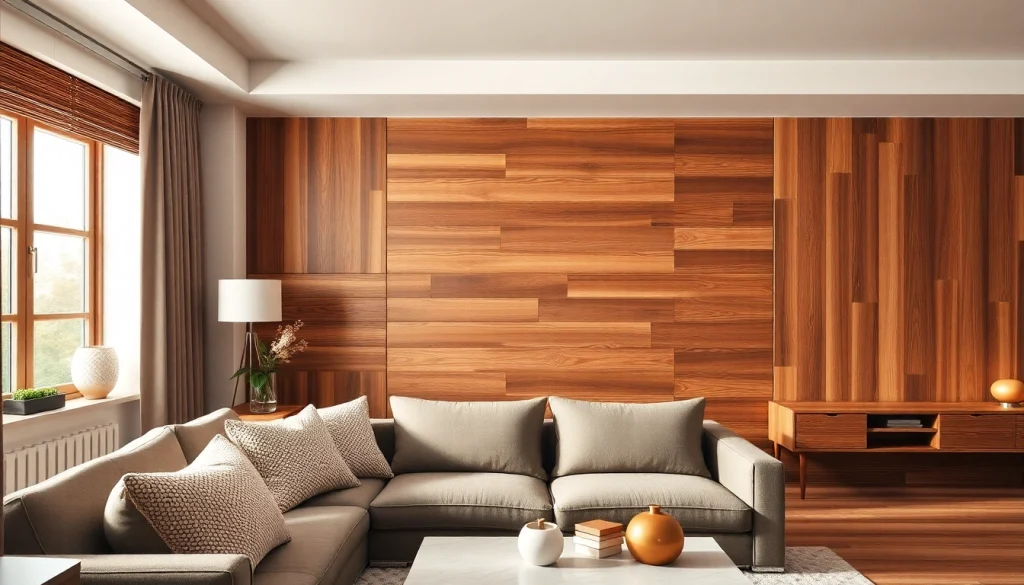
- Wood Panels: Known for their aesthetic appeal, wood panels add warmth and character to a space. They can be solid or laminated, offering various finishes.
- PVC Panels: These boards are lightweight, water-resistant, and easy to maintain, making them ideal for high moisture areas, like bathrooms and kitchens.
- Gypsum Boards: Also known as drywall, gypsum boards are the standard for most constructions due to their fire resistance and ease of installation.
- Beadboard: This style features narrow, vertical panels that add texture and a classic look to any room.
- Acoustic Panels: Designed to improve sound quality in a space, these panels are made from soft materials to absorb sound and reduce echoes.
Benefits of Using Wall Boards
Incorporating wall boards into your home or office space offers numerous benefits:
- Enhanced Aesthetics: They provide a finished look and come in a variety of styles and colors to match any interior design.
- Insulation: Properly installed wall boards can help improve the energy efficiency of a building by providing added insulation.
- Easy Installation: Many wall boards are designed for easy installation, allowing homeowners to tackle DIY projects effectively.
- Durability: Quality wall boards resist wear and tear, providing long-lasting results for minimal maintenance.
- Sound Perception: Acoustic wall boards can help absorb sound, making them ideal for entertainment spaces and offices.
Choosing the Right Wall Boards
Factors to Consider
When selecting wall boards for your project, consider the following factors:
- Room Function: Different rooms have different requirements; for example, a bathroom may benefit from moisture-resistant panels.
- Design Preferences: Choose a style that harmonizes with your existing decor.
- Budget: Wall boards range widely in price, so it’s essential to find options that meet your financial parameters.
- Installation: Some boards require more complex installation than others; ensure you choose materials you can handle.
Comparing Materials for Wall Boards
Understanding the various materials available will help you make an informed decision:
| Material | Pros | Cons |
|---|---|---|
| Wood | Aesthetic appeal, insulation | Higher cost, maintenance needed |
| PVC | Durable, water-resistant | Less eco-friendly |
| Gypsum | Fire-resistant, easy to find | Not moisture-resistant |
| Beadboard | Timeless style, versatility | Can be complex to install |
| Acoustic | Sound-absorption qualities | May require specific installation |
Identifying Your Style Preferences
Your design style impacts the choice of wall boards significantly. Here’s how to identify your style:
- Spend time browsing design magazines or websites for inspiration.
- Create a mood board with colors, textures, and types of wall boards you prefer.
- Consider how different wall boards will complement your furniture and overall room decor.
- Don’t hesitate to ask for samples from suppliers to see how materials look in your space.
Installation Process of Wall Boards
Tools and Materials Needed
Before starting the installation of wall boards, ensure you have the following tools on hand:
- Measuring tape
- Level
- Stud finder
- Utility knife or saw (if cutting boards)
- Pencil
- Adhesive or screws (depending on material)
- Safety gear (goggles and dust mask)
Step-by-Step Installation Guide
- Preparation: Clear the area and ensure walls are clean and dry.
- Measure: Use a measuring tape to calculate the necessary amount of wall boards.
- Cutting: Cut panels to fit your space, if necessary, using a utility knife or saw.
- Place: Start installing from one corner, ensuring each board is level and aligned.
- Secure: Attach boards using adhesive or screws, checking for level as you proceed.
- Finish: Seal edges with caulk or trim for a polished look.
Common Mistakes to Avoid
Beginner installers often make several common mistakes, including:
- Not locating studs correctly, which can lead to weak installations.
- Failing to account for cutting waste when purchasing materials.
- Not allowing boards to acclimate to the room temperature, which can affect sizing.
- Over-tightening screws which can cause cracking in the material.
Maintenance and Care for Wall Boards
Cleaning Techniques for Different Materials
Maintaining your wall boards is crucial for longevity. Here’s how to clean different types:
- Wood: Dust regularly, use a damp cloth for stains, and avoid harsh chemicals.
- PVC: Wipe down with a mild detergent and water; avoid abrasive cleaners.
- Gypsum: Clean spills immediately; for stains, use a specialized cleaner.
- Acoustic Panels: Vacuum gently or wipe down with a soft cloth.
Repairing Damaged Wall Boards
Repairs can vary depending on the material:
- For wood, fill cracks with wood filler and refinish as necessary.
- PVC boards can often be repaired with specialized adhesives or patch kits.
- Gypsum boards require patching compound for holes, followed by sanding and painting.
- For acoustic panels, consider replacing damaged segments if repair is not feasible.
Long-term Care Tips to Enhance Longevity
To ensure your wall boards last longer, follow these tips:
- Regularly inspect for damage or signs of wear.
- Avoid excessive moisture in areas, particularly for gypsum boards.
- Use proper cleaning methods suitable for the wall board material.
- Consider repainting or re-staining wooden panels every few years to maintain appearance.
Creative Uses for Wall Boards in Interior Design
Transforming Spaces with Accent Walls
Accent walls can make stunning focal points in any room. For instance, a rustic wood panel wall can create warmth while adding texture, while a sleek PVC panel can provide a touch of modern elegance. When designing an accent wall, consider:
- Color contrast with surrounding walls.
- Integration with furnishings.
- Use of lighting to enhance the feature.
Using Wall Boards in Commercial Spaces
In commercial settings, wall boards can boost aesthetics while providing functionality. Uses include:
- Creating functional work environments with sound-absorbing panels.
- Using durable, easy-to-clean materials in kitchen areas.
- Enhancing branding efforts with customized panel designs that reflect the company identity.
DIY Projects Featuring Wall Boards
Wall boards offer great potential for DIY projects that elevate home decor. Consider:
- Building custom shelving units using wood or PVC boards.
- Creating wall art displays using cut panels and creative arrangements.
- Transforming furniture bases or backs into intriguing wall boards for added texture.
FAQs about Wall Boards
What are the boards on walls called?
These boards can be referred to as wall panels, which include styles like wainscoting and beadboard.
What is the cheapest board to cover a wall?
Cost-effective options include MDF panels, PVC panels, and peel-and-stick wall coverings that are low-maintenance and easy to install.
Are wall boards difficult to install?
The installation complexity varies by the type of wall board; some are designed for DIY enthusiasts while others may require professional expertise.
How do I choose the right wall board material?
Consider the function of the space, style preferences, durability, and budget when selecting wall board materials.
Can wall boards be removed and replaced easily?
Yes, many wall boards can be removed and replaced without damaging underlying structures, depending on the installation method used.