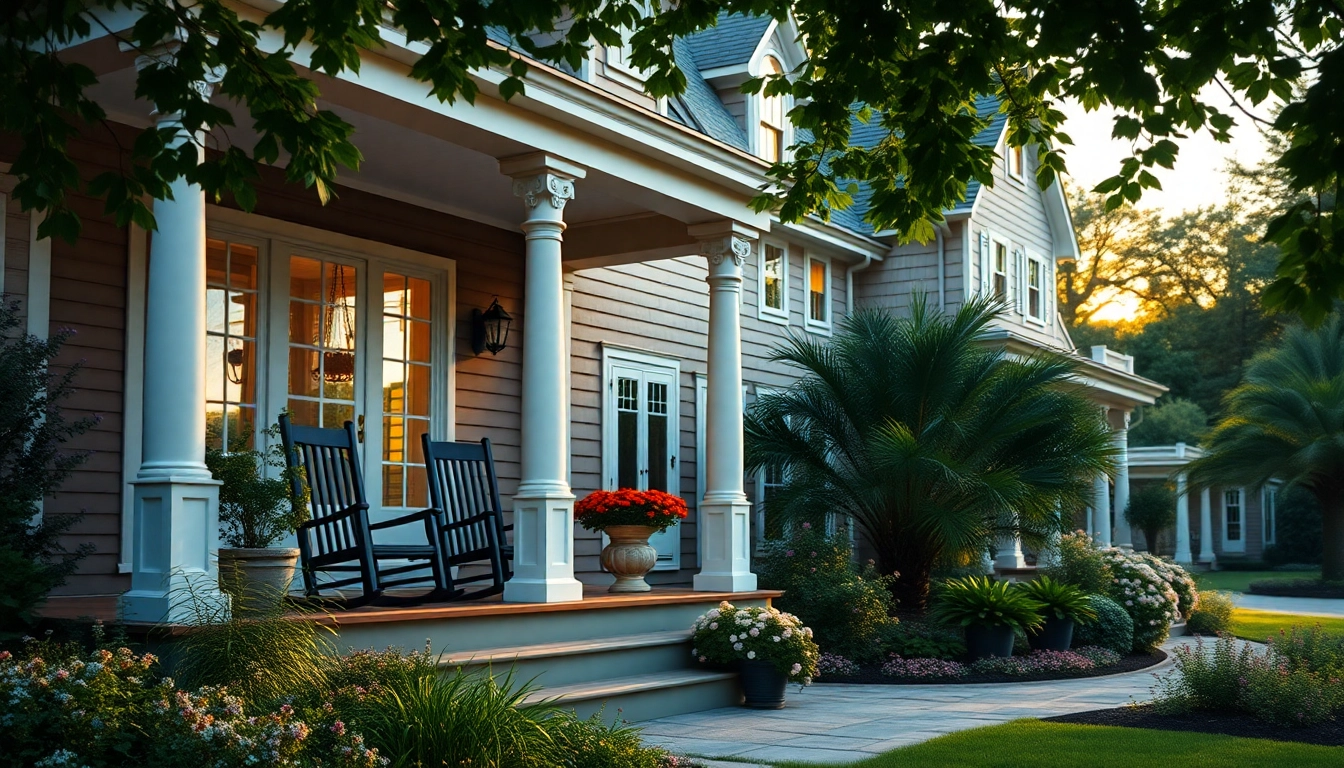

Understanding Wall Boards and Their Benefits
What Are Wall Boards?
Wall boards are versatile building materials used to create and enhance interior and exterior walls. Comprising different materials and finishes, these boards serve various purposes, including aesthetic appeal, insulation, and soundproofing. Typically applied in homes, offices, and commercial spaces, wall boards are essential for achieving desired architectural styles while ensuring durability.
Benefits of Installing Wall Boards
The installation of wall boards provides numerous advantages. Firstly, they can instantly transform the look of a space, allowing for modern designs without extensive renovations. Additionally, wall boards offer insulation properties that keep interiors comfortable in various climates. They can also dampen sound, making them ideal for offices and apartments where noise reduction is a necessity. Finally, these wall boards are often made from sustainable materials, appealing to environmentally conscious consumers.
Common Materials Used for Wall Boards
Wall boards come in a range of materials, each suited for specific use cases and aesthetic preferences. Some of the most common materials include:
- Plywood: A durable option often used in residential and commercial settings.
- Gypsum Board: Lightweight and easy to install, ideal for dry walling.
- Wood Paneling: Adds a classic or rustic feel to interiors.
- Composite Boards: Made from recycled materials, these boards are eco-friendly and affordable.
Choosing the Right Wall Boards for Your Space
Assessing Your Interior Design Needs
Choosing the right wall boards begins with understanding the design needs of your space. Consider the room’s function, desired aesthetic, and overall décor. For instance, a cozy living room might benefit from wood paneling, while a modern office may require sleek, minimalist designs featuring gypsum or composite boards. Take the time to evaluate how each type of wall board aligns with your vision.
Factors to Consider When Selecting Wall Boards
When selecting wall boards, several critical factors should guide your decision-making process:
- Durability: Assess material resilience against wear, tear, and environmental factors.
- Installation Complexity: Some materials may require professional installation, increasing overall costs.
- Budget Considerations: Wall boards come in a range of prices; set a realistic budget before shopping.
- Maintenance Requirements: Determine how easy the material is to clean and maintain over time.
Popular Styles and Finishes
Wall boards are available in a multitude of styles and finishes, enabling a personalized touch to any room. Common styles include traditional wood grains, modern sleek finishes, and textured designs that add depth and character to walls. Whitewashed finishes can enhance a coastal theme, while dark woods may imbue sophistication. Explore the latest trends in wall board aesthetics to find what best suits your taste.
Installation of Wall Boards: A Step-by-Step Approach
Preparing Your Space for Installation
The installation process begins with thorough preparation. Ensure the walls are clean, leveled, and dry. Remove any old wall coverings, such as paint or wallpaper, and repair any holes or imperfections in the wall surfaces. Proper preparation is essential to ensuring that your wall boards adhere correctly and look professional once completed.
Tools and Materials Required
To install wall boards effectively, gather the necessary tools and materials. Essential tools include a measuring tape, level, utility knife, drywall screws, and a power drill. Depending on the wall board material, additional tools such as a saw or hammer may be required. Having everything on hand before you begin will streamline the installation process.
Installation Techniques for Different Wall Boards
Each type of wall board has specific installation techniques:
- Plywood: Cut to size, then secure with screws or nails. Ensure seams are staggered.
- Gypsum Board: Install horizontally using screws, and tape and mud the joints for a seamless finish.
- Wood Paneling: Begin from the bottom and work upwards, securing each panel with nails or adhesive.
- Composite Boards: Follow manufacturer instructions as these can vary across brands.
Maintenance and Care for Wall Boards
Cleaning Techniques for Various Materials
Proper maintenance of wall boards can significantly extend their lifespan. For cleaning, use a damp cloth for most materials, avoiding harsh chemicals. For wood paneling, consider using a wood-safe cleaner to retain its sheen. Gypsum boards can be wiped with a gentle sponge dampened in soapy water.
Addressing Common Issues
Over time, wall boards may encounter issues such as warping, moisture damage, or discoloration. Identifying and rectifying these problems promptly is essential. For instance, if you notice moisture damage, ensure the source of humidity is addressed. Replace any affected boards to prevent further deterioration.
Longevity: When to Replace Your Wall Boards
While wall boards can last many years, there are signs that indicate it’s time for a replacement. If you observe cracks, permanent stains, or warping in the material, it may be time to consider new wall boards. Regular inspections and keeping a consistent maintenance routine can greatly enhance their longevity and appearance.
FAQs About Wall Boards
What are the most popular wall boards materials?
Common materials include plywood, gypsum board, wood paneling, and composite boards, each with unique benefits.
How do I properly install wall boards?
Begin by cleaning and preparing walls, cutting your boards to size, and using appropriate fasteners based on the material.
Can wall boards be painted or stained?
Yes, most wall boards can be painted or stained, but check the material specifics to ensure compatibility.
What is the average cost of wall boards installation?
Installation costs vary widely based on material and labor but typically range from $1 to $5 per square foot.
How do I maintain wall boards to ensure longevity?
Regular cleaning, prompt repairs of damage, and protection from moisture will help maintain wall boards for years.