What Is a Wellness Retreat?
Definition and Purpose
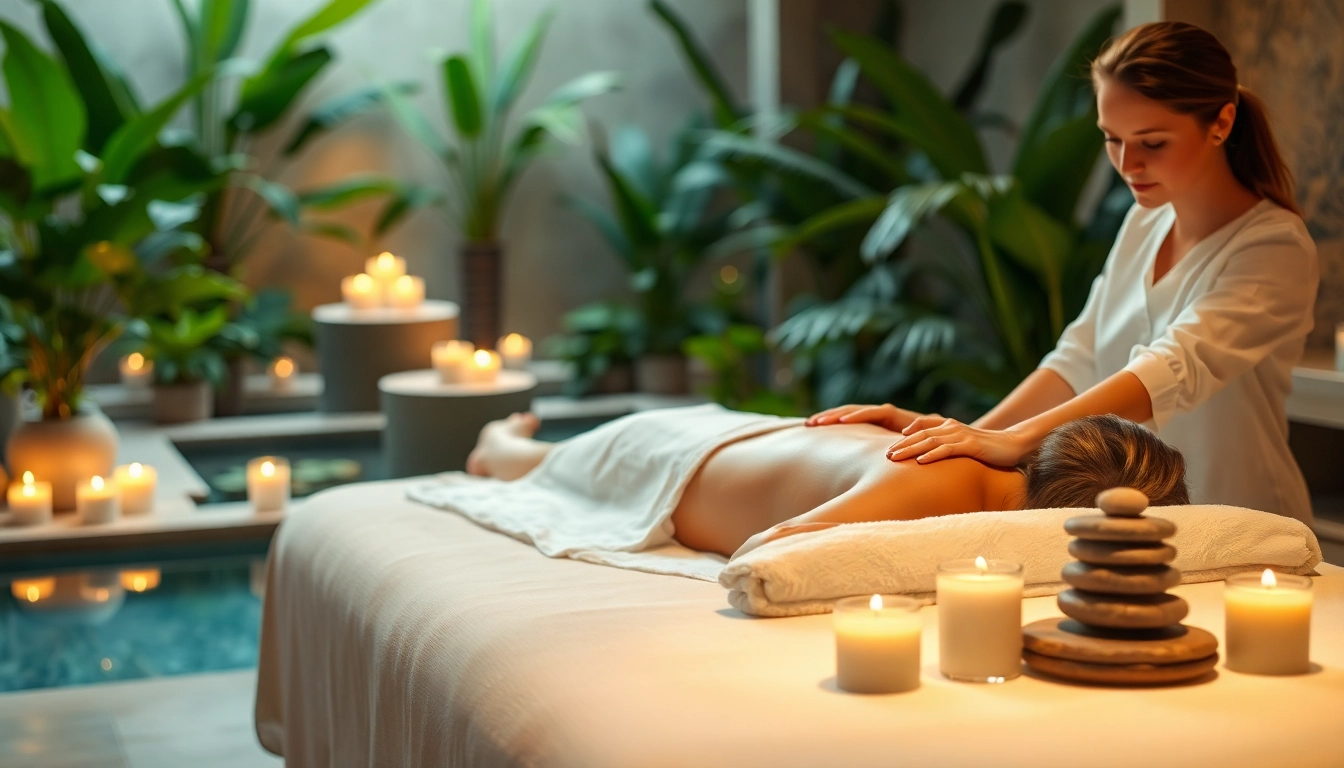
A wellness retreat is a carefully curated experience designed to promote physical, mental, and spiritual well-being. These retreats typically occur in serene settings away from the hustle and bustle of everyday life, allowing individuals to reconnect with themselves and nature. The primary purpose of a wellness retreat is to provide an immersive experience that fosters healing, relaxation, and self-discovery.
Types of Wellness Retreats
Wellness retreats come in various forms, each catering to different needs and preferences. Some popular types include:
- Yoga Retreats: Focus on yoga practices and meditation, promoting physical fitness and mental peace.
- Detox Retreats: Aim to cleanse the body through dietary changes and detoxification strategies.
- Spiritual Retreats: Centered around spiritual growth and reflection, often incorporating mindfulness techniques.
- Fitness Retreats: Combine physical activities like hiking, biking, and fitness classes to build strength and endurance.
- Holistic Retreats: Emphasize the balance of mind, body, and spirit through various healing practices.
Core Benefits of Attending
Engaging in a wellness retreat can lead to multiple benefits, including:
- Stress Reduction: Retreats provide a break from daily stressors, allowing relaxation and mindfulness to flourish.
- Enhanced Self-Awareness: Through guided practices, individuals gain insight into their thoughts and emotions.
- Community Connection: Networking with like-minded individuals can foster friendships and support systems.
- Health Improvement: Many retreats focus on nutrition and physical activity, leading to healthier lifestyle choices.
Why You Should Consider a Wellness Retreat
Improved Mental Health
Participation in a wellness retreat can significantly enhance mental health. By disconnecting from technology and daily responsibilities and engaging in meditation or mindfulness practices, individuals often report reduced anxiety, improved mood, and greater clarity in thought.
Physical Health Enhancements
Workshops on nutrition, exercise, and holistic health practices contribute to physical well-being. Many retreats offer healthy meals, fitness classes, and relaxation therapies, leading to improved physical conditions such as weight management, increased energy levels, and better sleep quality.
Spiritual Rejuvenation
Connecting to a deeper sense of self is fundamental to personal growth. Wellness retreats allow participants to engage in spiritual practices that foster introspection, gratitude, and a sense of purpose. This rejuvenation can translate into powerful life changes and a renewed sense of inner peace.
How to Choose the Right Wellness Retreat
Assessing Your Needs
Before selecting a wellness retreat, evaluate what you wish to achieve. Are you seeking relaxation, fitness, spiritual growth, or detoxification? By understanding your goals, you can select a retreat that aligns with your aspirations.
Location and Amenities
The location of a wellness retreat often plays a crucial role in the experience. Consider whether you prefer a beach, mountain, or forest setting. Amenities such as spa services, outdoor activities, and accommodations should also be factored into your decision-making process.
Cost and Duration Factors
Finally, budget considerations and the length of the retreat are essential elements. Determine how much you are willing to invest and look for programs that fit within your financial constraints while offering the desired duration, typically ranging from a weekend to several weeks.
Activities Commonly Offered at Wellness Retreats
Yoga and Meditation Practices
Yoga and meditation are cornerstone activities in many wellness retreats. They promote flexibility, strength, and mental calmness, while also enhancing mindfulness and breathing techniques. These practices encourage participants to tune into their bodies and emotions.
Nourishing Culinary Experiences
Nutrition is a key component of wellness retreats. Attendees often benefit from gourmet meals prepared with fresh, organic ingredients. Cooking classes may also be offered to educate participants on healthy eating habits that can be maintained post-retreat.
Holistic Health Workshops
Workshops that focus on holistic health often address strategies for sustainable living. Topics may include stress management, herbal remedies, energy healing, and lifestyle changes that contribute to long-term wellness.
Frequently Asked Questions about Wellness Retreat
What should I bring to a wellness retreat?
Essentials include comfortable clothing, personal toiletries, meditation supplies, and a journal for reflections. Check the retreat guidelines for specific requirements.
How long do wellness retreats typically last?
Wellness retreats can range from long weekends to several weeks, with most lasting between three to seven days to maximize the transformative experience.
Are wellness retreats suitable for beginners?
Yes, many wellness retreats cater to all levels, providing adaptations for beginners. It’s an excellent opportunity to explore new practices safely.
What is included in a wellness retreat package?
Packages vary but often include accommodations, meals, wellness activities, classes, and sometimes one-on-one consultations with wellness specialists.
How can I stay connected while at a wellness retreat?
While it’s advisable to disconnect for deeper engagement, many retreats provide Wi-Fi. It’s best to limit internet use to enhance your experience.
Conclusion
Ultimately, attending a wellness retreat can create lasting benefits for your well-being. By understanding what to expect, evaluating your needs, and choosing the right retreat, you set the foundation for a transformative experience that promotes long-term health, happiness, and personal growth.