
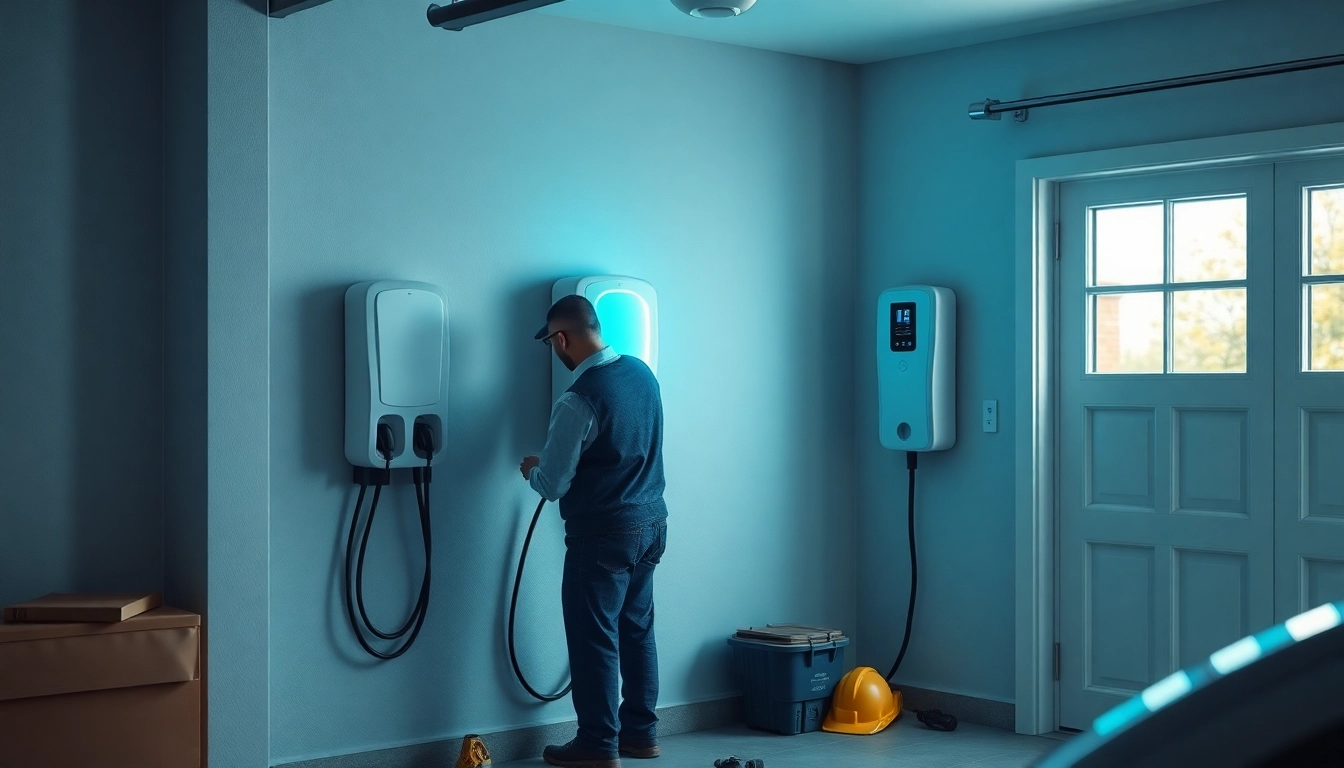
Understanding Electric Vehicle Charger Installation Price
As the world moves towards a sustainable future, electric vehicles (EVs) are becoming increasingly popular. However, for many new EV owners, one of the most significant considerations revolves around the electric vehicle charger installation price. Understanding how much you might expect to pay for an EV charger installation can help you budget effectively and make informed decisions. This comprehensive guide will break down the various factors influencing installation costs, common pricing structures, and regional variations to give you a clearer picture of what to anticipate.
What Factors Influence Installation Costs?
Several factors can contribute to the overall cost of installing an EV charger at home, including:
- Type of Charger: The choice between a Level 1 and Level 2 charger greatly affects installation costs. Level 1 chargers use a standard outlet, while Level 2 chargers require a dedicated circuit, making them more expensive to install.
- Electrical Capacity: Homes with an existing 240-volt outlet may incur lower installation costs compared to those that need new wiring or upgrades to their electrical panels.
- Distance from the Electrical Panel: The further the charger is from the electrical panel, the more expensive the installation becomes due to the need for additional wiring and labor.
- Geographic Location: Prices can vary significantly depending on your location and local labor rates.
- Permits and Certifications: Depending on local regulations, you may need to obtain permits, which can add to the installation cost.
Common Pricing Structures Explained
Understanding the different pricing structures for EV charger installations can help you better manage your budget:
- Flat Rate Pricing: Some companies offer a flat rate for installation, which can range from $500 to $2,500 depending on the complexity of the job.
- Hourly Rate: Other contractors may charge an hourly rate, typically between $50 and $150 per hour, which can add up if the installation requires significant time.
- Package Deals: Many installers provide packages that include both the charger and installation, which can offer savings compared to purchasing the charger separately.
Regional Variations in Installation Prices
Pricing can greatly differ based on your geographic location. For instance, urban areas often have higher labor costs due to demand and the cost of living. Conversely, rural areas might offer lower rates but could lack availability of certified electricians. Additionally, local incentives or rebates for EV charger installations could also impact the net cost. To get an accurate estimate, it’s advisable to research and request quotes from local service providers.
5 Easy Steps to Your Home EV Charger Installation
Step 1: Get Started with Your Installation
The journey to installing an EV charger at home starts with determining your needs. Assess whether you need a Level 1 or Level 2 charger based on your driving habits and existing electrical setup. It’s recommended to conduct a preliminary evaluation of your electrical system with a licensed electrician to identify any necessary upgrades.
Step 2: Obtaining a Tailored Quote
After you’ve assessed your requirements, the next step is to obtain a tailored quote from a certified electrician. Many companies offer free online estimates based on the details you provide, including photos of your existing switchboard and proposed charger location.
Step 3: Booking Your Installation Date
Once you’ve received your quote and decided to proceed, you can schedule your installation date. Most installations can be completed within 2-4 hours, depending on the complexity of the work required.
Types of EV Chargers and Their Costs
Single-Phase vs. Three-Phase Chargers
When considering charger types, single-phase and three-phase options are the most common. A single-phase charger is generally sufficient for most residential needs and is more cost-effective. In contrast, three-phase chargers provide faster charging but come with a higher installation cost due to the need for specialized wiring and equipment.
The Impact of Charger Brand on Pricing
The brand of the EV charger can also influence the overall price. Popular brands such as Tesla, Wallbox, and Zappi may come at a premium compared to lesser-known brands. However, investing in reputable brands often ensures reliability and better customer support.
Security Features and Their Costs
Many EV chargers come with additional security features, such as network connectivity for remote monitoring and usage tracking. While these features may add to the initial cost, they can provide long-term benefits in terms of energy savings and enhanced user experience.
Frequently Asked Questions About EV Charger Installation
How Long Does Installation Typically Take?
On average, the installation of a home EV charger takes about 2 to 4 hours. However, this duration can vary based on factors such as the complexity of the electrical setup and the required distance between the charger and the electrical panel.
What Safety Standards Are Followed?
All installations should comply with the relevant local safety standards and regulations, ensuring a safe and reliable charging experience. Licensed electricians are trained to follow these standards, offering peace of mind to homeowners.
Can I Use My Own Charger?
Yes, if you’ve already purchased an EV charger, many licensed electricians can install it, provided it meets safety standards. Be sure to consult with your installer to verify compatibility.
Looking Ahead: The Future of EV Charger Installation Costs
Emerging Technologies in EV Charging
As technology advances, we can expect new charging solutions that may reduce installation costs and improve charging efficiency. Innovations such as wireless charging and ultra-fast chargers could redefine home charging, making it more accessible and convenient.
The Role of Government Incentives
Government incentives can play a significant role in offsetting installation costs. Homeowners should stay informed about available rebates and subsidies that could apply to their situation, especially as more programs aim to promote electric vehicle adoption.
Predictions for Pricing Trends in 2025 and Beyond
While the current market presents varied installation prices due to supply chain factors and labor costs, many analysts predict that prices will stabilize as the technology matures and becomes more widespread. Increased production and competition among manufacturers may lead to more affordable solutions for homeowners looking to install EV chargers.