
Understanding Bed Bugs: Biology and Behavior
What Are Bed Bugs?
Bed bugs are small, wingless insects belonging to the Cimicidae family. They are ectoparasites that feed on the blood of humans and other warm-blooded animals. Adult bed bugs are typically reddish-brown, flat, oval-shaped, and measure about 4 to 5 millimeters in length. These pests are known for their nocturnal behavior, typically coming out at night to feed on unsuspecting hosts while they sleep. Their ability to hide in cracks, crevices, and other small locations makes them particularly difficult to detect and eliminate.
Life Cycle of Bed Bugs
The life cycle of a bed bug consists of several stages: the egg, five nymph stages, and the adult stage. A female can lay up to 500 eggs in her lifetime, with each egg being approximately 1 mm long. After hatching, the nymphs go through five molting stages before reaching adulthood. This lifecycle can vary based on environmental conditions, such as temperature and food availability, but typically it takes about 5 to 6 weeks for an egg to develop into a mature adult under optimal conditions.
Common Signs of Infestation
Identifying a bed bug infestation early is crucial to effective management. Common signs include:
- Blood Stains: Small reddish-brown spots on bedding or furniture are often a sign that bed bugs have fed and left remnants behind.
- Exoskeletons: After molting, bed bugs leave behind their exoskeletons, which can be found in areas where they hide.
- Fecal Spots: Dark, tiny droppings can often be found on sheets, mattresses, and nearby surfaces.
- Bed Bug Bites: Itchy, red welts on the skin, usually appearing in a line or cluster, can indicate that bed bugs have fed.
Identifying Bed Bug Infestations
Visual Indicators of Infestation
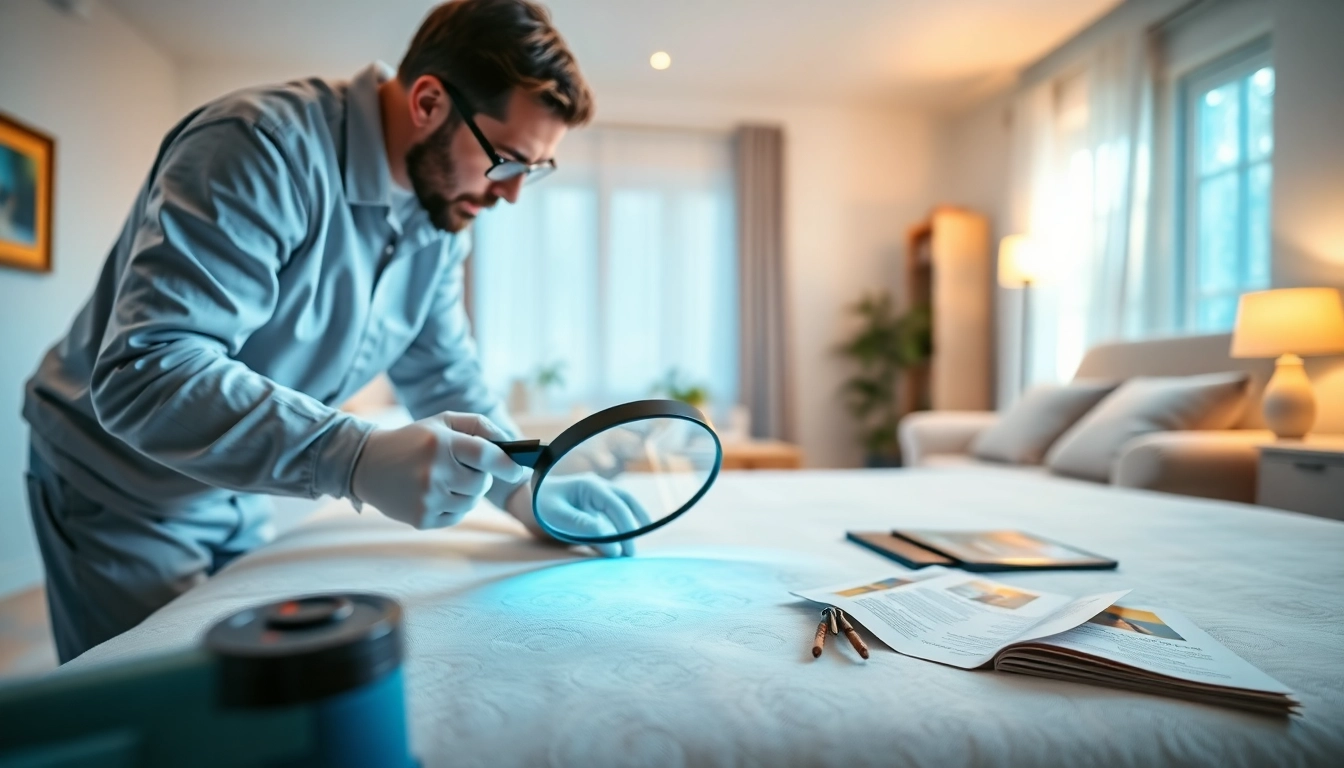
To confirm the presence of bed bugs, thorough inspections are necessary. Look for the aforementioned signs, and pay close attention to common hiding spots such as:
- The seams of mattresses and box springs
- Behind headboards and nightstands
- Couch cushions and under furniture
- Electrical outlets
Using a flashlight during inspections can help illuminate dark corners where these pests might be hiding.
Tools for Detection
In addition to a visual inspection, several tools can aid in detecting bed bugs:
- Bed Bug Monitors: These devices attract and trap bed bugs, providing a clear indication of their presence.
- Interceptors: Placed under the legs of beds and furniture, these devices capture bed bugs as they attempt to climb up.
Employing an integrated approach using both manual inspections and detection tools can effectively establish if your space is infested.
When to Call Professionals
If signs of infestation persist after your efforts or if you find yourself overwhelmed, it’s time to seek professional help. Bed bug exterminators have the expertise, experience, and access to resources that the average homeowner may not. Calling professionals is especially critical if:
- The infestation is widespread, affecting multiple rooms.
- Previous DIY treatments have been ineffective.
- You need a thorough assessment and treatment plan tailored to your situation.
Effective Treatment Methods
Chemical vs. Non-Chemical Solutions
When it comes to treating bed bug infestations, there are both chemical and non-chemical solutions available. Chemical treatments include insecticides that target bed bugs directly or disrupt their lifecycle. It’s important to choose products specifically labeled for bed bugs to ensure efficacy. On the other hand, non-chemical solutions encompass heat treatments and diatomaceous earth, both of which target bed bugs without the use of harsh chemicals.
Heat Treatment Techniques
Heat treatment is one of the most effective non-chemical methods of eradicating bed bugs. This method involves raising the temperature of the infested area to a level that is lethal to bed bugs, typically between 120°F and 140°F. Professional pest control companies often employ specialized equipment to ensure that heat penetrates all areas, including the nooks and crannies where bed bugs might hide. This method also eliminates eggs, making it a comprehensive solution.
DIY Extermination Steps
Homeowners looking to tackle minor infestations may choose to implement DIY extermination strategies. Here are several steps to follow:
- Clear Clutter: Remove unnecessary items where bed bugs may hide.
- Wash and Dry Fabrics: Wash bedding and clothes in hot water and dry on high heat.
- Vacuum Thoroughly: Vacuum floors, carpets, and mattresses, emptying the vacuum contents into a bag immediately after.
- Use Bed Bug Proof Covers: Encase mattresses and box springs in protective covers designed to trap and suffocate bed bugs.
Keep in mind that while DIY treatments can be effective, they may not be sufficient for severe infestations.
Preventive Measures for Bed Bug Control
Best Practices for Homeowners
Prevention is key when it comes to managing bed bug populations. Homeowners should adopt best practices, including:
- Regular Inspections: Frequently check for signs of bed bugs in various areas of the home.
- Sealing Entry Points: Fill cracks and crevices in walls, floors, and furniture to deter bed bugs from entering.
- Be Cautious with Secondhand Items: Inspect and treat secondhand furniture before bringing it into your home.
Travel Tips to Avoid Bringing Bed Bugs Home
Travelers should be vigilant to avoid bringing bed bugs home from trips. Recommended practices include:
- Inspect hotel rooms for signs of bed bugs upon arrival.
- Keep luggage off the floor and on metal rack stands.
- Wash and dry clothes on high heat immediately after returning home.
Regular Inspection Techniques
In addition to inspecting during an infestation, regularly checking your home can prevent future problems. Schedule monthly inspections of common hotspots, such as your bedroom and living areas. During these inspections, look not only for bed bugs but also for conditions that could attract them, such as clutter or unsealed cracks.
Choosing the Right Exterminator
Key Qualities to Look For
When selecting a pest control professional, consider the following qualities:
- Experience and Expertise: Look for companies with a proven track record in bed bug eradication.
- Licensing and Insurance: Ensure that the pest control provider is fully licensed and insured to offer their services.
- Comprehensive Treatment Plans: A good exterminator should provide a thorough inspection and treatment strategy tailored to your specific situation.
Evaluating Pest Control Services
To evaluate pest control services effectively, read reviews and testimonials, inquire about their methods, and check their standing with local regulatory bodies. Asking for referrals from trusted sources can also provide insights into the company’s reputation.
Benefits of Professional Help
Employing professional pest control services to treat and manage bed bug infestations comes with several benefits:
- Expert Knowledge: Professionals bring extensive knowledge of bed bug behavior, treatment options, and effective eradication strategies.
- Access to Advanced Tools: Pest control experts have access to specialized tools and highly effective insecticides that are unavailable to the public.
- Long-term Solutions: Many companies offer warranties or follow-up services to ensure that the infestation has been fully resolved.
By being proactive and informed, you can effectively manage and prevent bed bug infestations in your home. For more detailed strategies on bed bug control, visit https://affordablebedbugexterminators.com.