Understanding Metal Siding Options
Choosing the right siding for your home can significantly influence its appearance, durability, and energy efficiency. Among the various materials available, metal siding has emerged as a popular choice due to its myriad benefits. This article explores the various types of metal siding, compares it with other materials, and highlights the styles available for homeowners looking to elevate their home’s exterior.
Types of Metal Siding Materials
Metal siding comes in various forms, primarily constructed from materials such as:
– Steel: Known for its strength and resistance to harsh weather, steel siding is often galvanized or treated to prevent rust. Steel provides a sturdy option for safeguarding homes in different climates.
– Aluminum: Lightweight and resistant to corrosion, aluminum siding is popular for coastal areas prone to salty air. It is also relatively easy to install and offers a variety of colors and finishes.
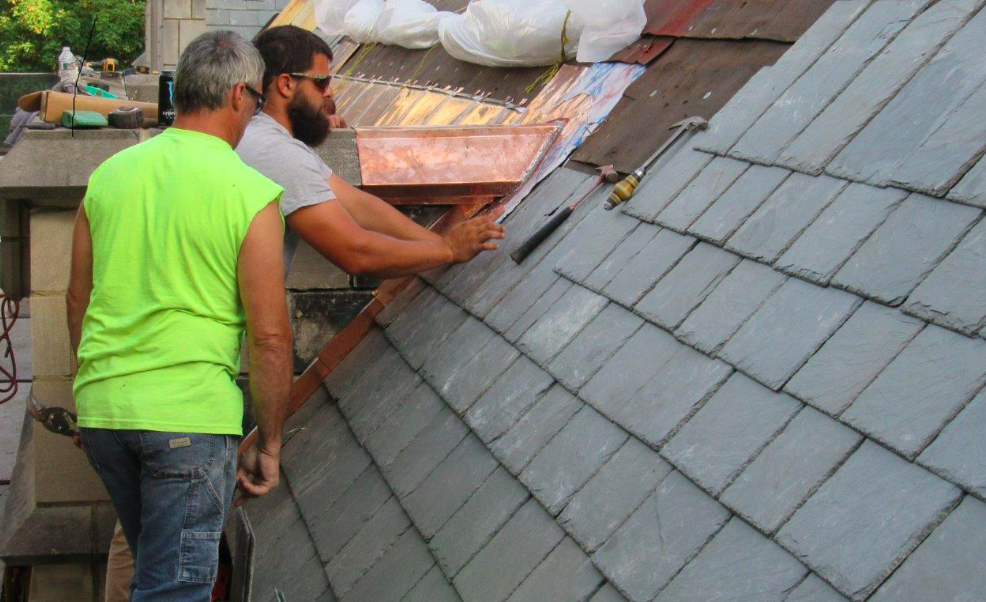
– Zinc and Copper: For a unique aesthetic and enhanced durability, zinc and copper are excellent choices. Although generally more expensive, these metals develop a beautiful patina over time, adding character to any home.
– Galvanized Steel: Steel coated with zinc offers a layer of protection against rust and corrosion, extending the lifespan of the siding and enhancing its durability. This type is primarily used for industrial-style homes or commercial applications.
Comparing Metal and Other Siding Options
When selecting siding, it’s crucial to weigh the options effectively. Metal siding stands out in comparison to:
– Wood: While wood offers classic appeal, it requires regular maintenance, painting, and is susceptible to rot and pests. In contrast, metal siding can last significantly longer with minimal upkeep.
– Vinyl: Although vinyl is low-cost and low-maintenance, it can warp or fade over time. Metal siding, however, offers higher durability and several aesthetic options without the risk of fading.
– Fiber Cement: While fiber cement is also a durable choice, it’s heavier and requires more effort for installation. Metal siding can be lighter and easier to handle, potentially saving on installation costs.
Popular Styles and Designs of Metal Siding
Metal siding is available in various styles and designs that can match the homeowner’s preferences and architectural styles:
– Vertical Panels: This timeless design gives a modern and streamlined appearance, enhancing the height of the structure. It’s commonly used in contemporary and urban homes.
– Horizontal Panels: Horizontal metal siding can create a more traditional look, suitable for various styles from farmhouse to modern designs. It is also effective for wider surfaces.
– Corrugated Patterns: The corrugated style is popular in industrial and rustic designs. It offers distinct texture and character, suitable for both residential and commercial properties.
– Flat Sheets: These can be used for a minimalist look, perfect for modern architecture. They can also function well in combination with other materials for a more eclectic design.
Benefits of Choosing Metal Siding
Many homeowners are opting for metal siding, drawn by the many advantages it offers for residential exteriors.
Durability and Longevity of Metal Siding
One of the key benefits of metal siding is its longevity. Metal panels are strong and resistant to a variety of environmental factors, including severe weather conditions. Unlike wood, which can rot, warp, or attract pests, metal siding can last over 50 years when properly maintained. Steel and aluminum resist fading and are treated to prevent corrosion, ensuring they keep their appearance over time.
Energy Efficiency and Insulation Advantages
Energy efficiency is increasingly essential in modern home design, and metal siding can help enhance a home’s insulation. When combined with proper insulation materials, metal siding can help reduce heating and cooling costs, resulting in energy savings. Reflective coatings on aluminum siding can also help reduce heat absorption, maintaining a more stable internal climate throughout the seasons.
Low Maintenance Requirements for Homeowners
Metal siding is often touted for its minimal maintenance needs. Unlike traditional materials that require routine painting, sealing or repairs, metal generally only needs occasional cleaning to maintain its aesthetic. Moreover, advancements in protective coatings have further enhanced metal siding’s resistance against rust, fading, and scratching, making it an ideal choice for busy homeowners.
Installation Process of Metal Siding
Installing metal siding can be a rewarding project that enhances the look of your home. However, it requires the right tools and techniques to ensure a professional finish.
Essential Tools and Materials
Before starting your installation, gather the following tools and materials:
– Metal siding panels
– Measuring tape
– Circular saw or metal cutter
– Level
– Hammer and screws or a power drill
– Safety gear (gloves, goggles)
– Weather barrier materials (felt paper or house wrap)
– Flashing components for openings and edges
Step-by-Step Guide to Installation
Follow these steps for a successful installation:
1. Preparation: Start by preparing the wall surface. Ensure it is clear of old siding, dust, and debris. Install a weather barrier to protect against moisture.
2. Measuring and Planning: Measure the height and width of the area to accurately determine how much metal siding you will need. Plan for overlaps and seams.
3. Cutting: Using a metal cutter, accurately cut the panels according to your measurements. Ensure that edges remain smooth to avoid accidents during installation.
4. Installing Panels: Begin at the bottom, securing the first panel. Use a level to ensure it is straight. Fasten panels using screws designed for metal; ensure that they are not overtightened to allow for thermal expansion.
5. Adding Flashing: Install flashing around windows and doors to direct moisture away from seams and openings. This is critical for protecting your home from water intrusion.
6. Finishing Touches: Once all panels are installed, check for any gaps or rough edges and address them to ensure an even finish.
Common Mistakes to Avoid During Installation
During the installation process, avoid these common pitfalls:
– Not accounting for thermal expansion: Allow space between panels for movement during temperature changes.
– Skipping the weather barrier: Always install a moisture barrier to protect your home.
– Over-tightening screws: This can lead to panel warping and cracking over time.
– Ignoring local building codes: Before commencing, ensure compliance with local regulations and building codes related to metal siding.
Maintenance Tips for Metal Siding
Proper maintenance is key to prolonging the lifecycle of your metal siding and keeping it looking great.
Cleaning and Care Guidelines
Keep your siding clean by:
- Washing with mild soap and water using a soft cloth or sponge.
- Using a pressure washer at a low setting, but avoiding direct spray to the seams.
- Cleaning gutters to prevent rust from debris accumulation.
Identifying and Repairing Damage
Inspect your siding regularly for signs of damage such as scratches or dents. Many minor damages can be repaired by:
– Touch-up paint for scratches
– Using sealants for small holes
– Replacing panels if extensive damage occurs
Preventing Rust and Other Issues
To mitigate rust and maintain siding integrity:
– Ensure that your siding has a protective coating.
– Clean any debris or organic matter that can trap moisture.
– Repaint or reseal as necessary based on wear and exposure to environmental elements.
Frequently Asked Questions about Metal Siding
Is metal siding a cost-effective solution?
While initial costs may be higher than other materials, metal siding offers long-term savings due to its durability and low maintenance requirements.
How does metal siding compare to vinyl?
Metal siding is generally more durable and can last longer than vinyl. It does not warp, fade, or require as much upkeep, making it a better long-term investment.
Can metal siding be painted?
Yes, metal siding can be painted to achieve the desired look. Use exterior-grade paint specifically formulated for metal surfaces to ensure adhesion and longevity.
What is the lifespan of metal siding?
When properly maintained, metal siding can last between 40 to 70 years, depending on the metal type and environmental factors.
How to choose the right color for metal siding?
Select colors that complement your home’s architecture and environment. Consider lighter colors for better energy efficiency and darker hues for a modern aesthetic.