
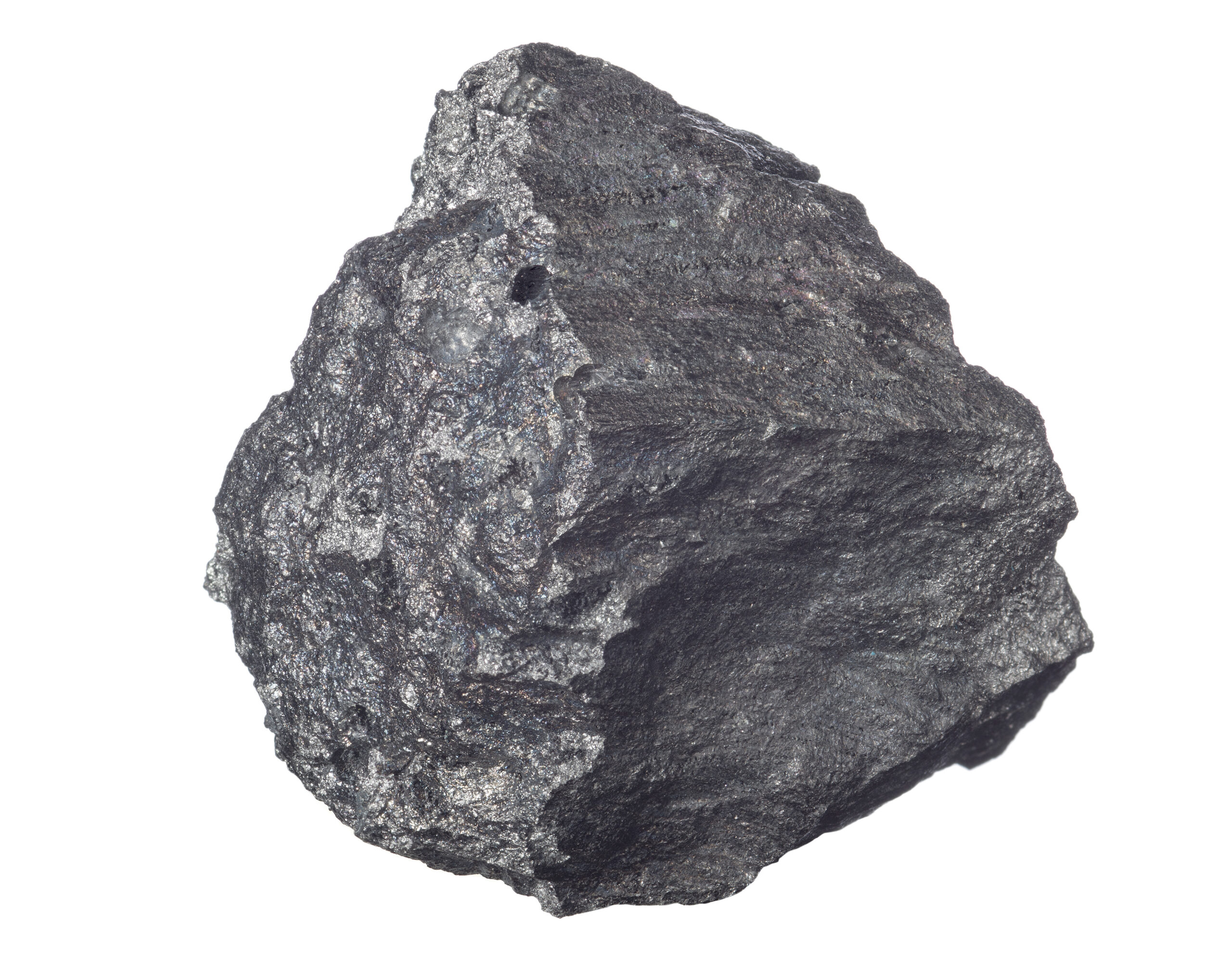
Entering the global Iron ore trading market can be both an exciting and challenging step for new participants. As one of the world’s most in-demand industrial minerals, Iron ore plays a central role in steelmaking, construction, automotive production, and large-scale infrastructure development. For newcomers, understanding how the market operates—and how to navigate its fast-changing dynamics—is essential for long-term success. With the right knowledge, discipline, and sourcing strategy, new entrants can confidently build a profitable and sustainable position in the Iron ore trade.
Understanding the Structure of the Iron ore Market
The Iron ore market is shaped by supply-demand cycles, grade variations, logistics constraints, and pricing mechanisms driven by global forces. For new traders, establishing a solid understanding of these pillars helps reduce risk and improves buying and selling decisions.
Key Market Drivers
Demand for Iron ore is primarily fueled by steel production, making construction and manufacturing patterns highly influential. When industrial growth rises, Iron ore consumption increases, pushing prices upward. When demand softens, prices may ease, creating opportunities for strategic buying.
Quality and Grade Variations
Different industries require different grades of Iron ore, and each grade carries its own market value. Understanding specifications such as Fe content, impurities, moisture, and size helps traders match the right supply to the right buyers—something essential in building a strong trading profile.
Building a Strong Foundation as a New Trader
Successful participation in the Iron ore market requires more than just buying and selling. It demands careful evaluation, due diligence, and strong partnerships that protect traders from operational or financial setbacks.
Learn the Pricing and Benchmark System
The global price of Iron ore is influenced by daily benchmark indices. New traders must closely track these benchmarks to understand current values and anticipate market swings. A clear understanding of spot pricing, futures, and long-term contract structures is crucial.
Develop Reliable Supplier Relationships
Supplier credibility is one of the most important elements of Iron ore trading. Working with verified mines, established exporters, or reputable trading companies ensures that shipments are delivered as promised. Strong supplier relationships also provide access to stable and predictable Iron ore volumes.
Conduct Rigorous Due Diligence
Before entering any agreement, new traders must assess supplier capacity, past performance, export history, and compliance standards. Due diligence protects against financial losses, delivery failures, or quality deviations in Iron ore shipments.
Essential Trading Strategies for New Entrants
A strategic approach helps new traders strengthen their position and reduce exposure to market risks. Successful trading is not only about timing but also about planning and execution.
Start With Manageable Volumes
Instead of committing to large shipments immediately, new traders should begin with smaller, manageable quantities of Iron ore. This reduces risk, allows room for learning, and helps build experience with logistics, documentation, and quality checks.
Diversify Sources to Reduce Risk
Relying on a single supplier exposes traders to the risk of disruption. Diversifying Iron ore sources—by region, mine, or exporter—ensures business continuity. This multi-source approach protects traders from unforeseen market shifts.
Prioritize Transparent Logistics Channels
Logistics is a critical part of Iron ore trading. New entrants must ensure that every shipment is tracked, documented, and managed efficiently. Partnering with shipping companies that offer transparent timelines leads to smoother, more predictable operations.
Market Trends New Traders Should Monitor
Keeping track of global trends allows new entrants to make informed decisions and capitalize on opportunities. Because Iron ore is a globally traded commodity, several external factors influence its movement.
Industrial Growth and Infrastructure Spending
Steel demand—and in turn, Iron ore demand—often rises with infrastructure expansion. Monitoring government development plans, construction activity, and industrial output helps traders anticipate supply and demand shifts.
Environmental and Sustainability Policies
Sustainability commitments from major economies influence mining regulations, steel production methods, and overall demand for different grades of Iron ore. Traders who understand these shifts can better position themselves for emerging market needs.
Freight and Shipping Costs
Shipping costs can significantly impact the final landed price of Iron ore. Monitoring freight rates, port conditions, and global shipping trends ensures accurate cost forecasting and competitive trade offers.
Leveraging Technology for Smarter Trading
Digital tools have become indispensable for new entrants in the Iron ore market. Automation, real-time analytics, and digital communication systems help traders make faster, smarter decisions.
Market Intelligence and Forecasting Tools
Data-driven platforms provide insights into price movements, trade flows, and production forecasts. These tools help new traders identify the best times to purchase or sell Iron ore.
Digital Documentation and Contracting
Using secure, digital contract systems reduces administrative errors and speeds up transactions. Digital handling of Iron ore trade documents also ensures higher accuracy and traceability.
Conclusion
For new entrants, the Iron ore market offers significant opportunities—provided they approach it with the right knowledge, strong partnerships, and disciplined strategy. By understanding market fundamentals, conducting thorough due diligence, and leveraging modern tools, traders can build a reliable presence in the global Iron ore trade. With careful planning and smart decision-making, new participants can confidently grow and thrive in this competitive and dynamic industry.