
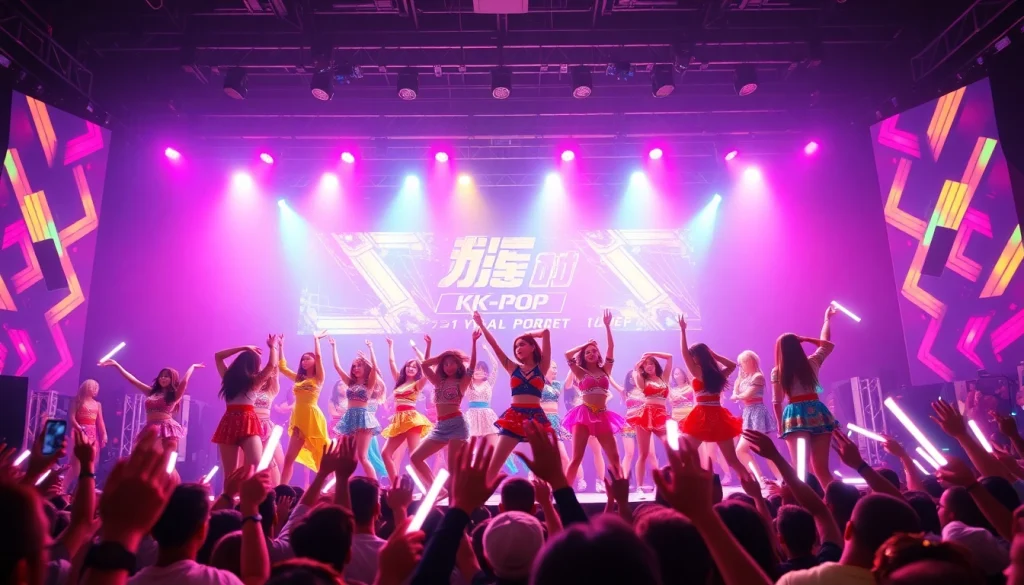
Understanding K-Pop Culture
K-Pop, or Korean Pop music, represents not just a musical genre, but a distinct cultural movement that has captured the hearts of millions around the globe. It showcases a blend of musical styles, stunning visuals, and intricate performances that have left indelible marks on the global entertainment landscape. At the core of this phenomenon is a community of passionate fans and dedicated idols, creating a vibrant ecosystem that continually evolves. For those looking to delve deeper into this captivating world, platforms like https://www.kpopangel.com serve as valuable resources for understanding K-Pop culture.
Origins and Evolution of K-Pop
K-Pop’s origins can be traced back to the early 1990s, when Korean music began to integrate Western elements such as hip-hop, R&B, and electronic music. The first major breakthrough came with the group Seo Taiji and Boys, whose innovative blend of genres revolutionized the Korean music scene. Their music resonated with the youth, leading to a cultural shift that set the stage for the K-Pop era.
As the years progressed, the genre evolved remarkably. In the late 1990s and early 2000s, idol groups began to dominate, propelled by entertainment companies that facilitated rigorous training programs for aspiring artists. Notable groups like H.O.T and S.E.S contributed to the establishment of colorful visuals, unique fashion, and synchronized dance routines that became signatures of K-Pop.
With the dawn of the internet and social media, K-Pop found global exposure, reaching audiences far beyond Asia. The 2010s marked a turning point as groups like BTS and BLACKPINK launched into international stardom, changing the dynamics of the music industry by transcending linguistic and cultural barriers.
Key Influencers and Trends in K-Pop
K-Pop is characterized by its ability to adapt and innovate in response to changing audience preferences. Key influencers within the industry include talented producers, choreographers, and visual artists who shape the sound and aesthetic of the music. From the catchy hooks in songs to the elaborate music videos, each element is crafted meticulously.
Current trends include the incorporation of diverse musical influences ranging from Latin pop to electronic dance music, as artists aim to appeal to a global audience. Collaborations with international artists have also become commonplace, further enhancing the genre’s reach. Furthermore, fashion trends within K-Pop often create waves in the global fashion market, with idols regularly credited as style icons.
The Global Impact of K-Pop
The global impact of K-Pop is undeniable, influencing not only the music industry but also fashion, beauty, and social issues. The genre has contributed significantly to the Korean economy, fostering a multi-billion-dollar entertainment sector that includes concerts, merchandise, and tourism.
K-Pop has opened avenues for Asian representation in the Western media, challenging stereotypes and offering a more nuanced portrayal of Asian cultures. The phenomenon also sparks discussions around topics like mental health and diversity, as fans engage actively with their idols on these issues, creating a supportive community.
Exploring the Phenomenon of K-Pop Idols
At the heart of K-Pop culture are the idols themselves—talented individuals who undergo extensive training and development to become stars. This section delves into the intricacies of idol life, exploring their demanding schedules, the public’s perceptions, and the emotional and physical toll that fame can entail.
The Role and Training of K-Pop Idols
K-Pop idols are not merely singers; they are well-rounded entertainers. The journey to stardom usually begins in early adolescence, where aspiring artists are scouted by talent agencies. This interest facilitates rigorous training that can last several years, covering vocal training, dance, language skills, and even media training.
The sheer intensity of this training program can be overwhelming, with idols routinely engaged in physically demanding dance practice, vocal lessons, and promotional activities. The commitment required often leads to the phrase “idols are made,” emphasizing the highly structured environment that shapes their careers.
Characteristics that Define K-Pop Idols
A distinct blend of attributes defines K-Pop idols, including charisma, versatility, and an ability to connect with audiences. Idols are expected to have striking visuals and a unique personal style that resonates with fans, alongside a range of skills from singing to acting.
Moreover, their public persona is carefully managed, presenting an image of perfection while maintaining relatability. This cultivated mask allows fans to feel a deeper connection with the idols, resulting in strong loyalty and support. The emotional investment from the fans elevates the idol’s status beyond mere entertainers, creating communal bonds within fandoms.
Fan Interaction and Idol Culture
K-Pop’s relationship between idols and fans is distinctly symbiotic. Fandom culture is integral, with fans participating in every aspect of their idols’ careers—from streaming music videos to attending concerts. The interactive nature of social media allows idols to maintain a visible presence, further fostering community engagement.
Idol culture prides itself on fan service, which ranges from organized fan meetings to responding to fan letters. However, this culture also introduces complexities, such as the phenomenon of “parasocial relationships,” where fans may develop intense emotional connections to idols despite never meeting them.
The Music and Production Behind K-Pop
Without understanding the music production aspect, one cannot appreciate the full extent of K-Pop. This genre is known for its high production values, catchy melodies, and intricate choreography that set it apart in the music landscape.
Genres and Styles within K-Pop
K-Pop is diverse in its musical offerings, successfully blending various genres such as hip-hop, EDM, rock, and R&B. This genre fusion allows artists to explore different sounds and aesthetics in their music, contributing to its broad appeal. Songs often feature upbeat tempos, engaging hooks, and innovative soundscapes that create memorable listening experiences.
Moreover, the lyrics often explore a wide range of themes, including love, youth struggles, social criticism, and empowerment, offering relatable content for fans. Collaborations across genres have also given rise to hybrid styles that broaden the K-Pop sound.
The Role of Production Companies in K-Pop
Production companies play a pivotal role in the K-Pop industry, acting as the backbone that supports idols from training to debut. These companies manage every aspect of an idol’s career, including music production, marketing, and public relations. Big names in the industry, such as SM Entertainment and YG Entertainment, have established distinct styles that set their groups apart.
The competitors drive innovation by investing heavily in technology and talent, ensuring that music videos and live performances leave a lasting impact. This production proficiency translates to a polished final product that captivates audiences and elevates K-Pop’s global presence.
Songwriting and Choreography in K-Pop Hits
Songwriting in K-Pop often involves collaboration between local and international songwriters, a factor that has contributed to its mainstream success. This cross-cultural synergy reflects in the lyrics and compositions, creating songs that resonate universally. Additionally, choreography is a cornerstone of K-Pop performances, with intricate moves that enhance the storytelling aspect and engage audiences.
Choreography is meticulously crafted, often incorporating various dance styles that contribute to dynamic live performances. Idols typically undergo extensive dance training to ensure they can deliver flawless choreography, which has become one of K-Pop’s hallmark traits. The combination of engaging music and stunning visuals ensures that K-Pop hits remain memorable.
Navigating K-Pop Fandoms
K-Pop fandoms are vibrant communities, characterized by passionate engagement and support for their favorite idols and groups. These fans not only consume content but often create and foster connections that extend beyond music.
Understanding Fandom Culture and Dynamics
K-Pop fandom culture is often defined by its dedication and fervor. Fans organize themselves into groups known as “fandoms,” which unite individuals around their shared admiration for a specific idol or group. This deep-rooted loyalty involves various community-based activities such as fan art creation, online discussions, and participation in social media trends.
Moreover, fandoms engage in coordinated activities to support their idols, such as streaming campaigns aimed at achieving higher chart rankings or fundraising for charitable causes in the name of their favorite idols. This organized dedication underscores the significant role of fandom culture in K-Pop.
Organizing and Participating in Fan Events
Fan events are central to K-Pop culture, allowing fans to interact with their idols in unique ways. These events range from fan meetings to concerts and special broadcasts. Fans often prepare extensive fan projects, including gifts, banners, and coordinated cheering to express their unwavering support.
Participating in these events can also be an emotional experience for fans, allowing them to share their dedication with others who have similar interests and passions. The sense of community fosters lasting friendships and connections, enriching the overall K-Pop experience.
Supporting Artists through Merchandise and Streaming
Merchandise support is an essential aspect of K-Pop fandom culture. Fans invest in a variety of products, from albums to clothing and collectibles, as a means of expressing their support for their idols. This not only fuels the growth of the artists’ brands but also reinforces the emotional connection between artists and fans.
Streaming music on platforms like Spotify and Apple Music has become another avenue for fans to support their idols. Initiatives to boost streaming numbers through collective efforts exemplify the unity and commitment present in K-Pop fandoms, ultimately contributing to chart performances and recognition within the industry.
Looking Ahead: The Future of K-Pop
The future of K-Pop looks promising, as the genre continues to adapt to changing technologies and audience preferences. The next generation of idols and groups is emerging, and they carry the legacy forward while innovating on the foundations set by their predecessors.
How Digital Media is Shaping K-Pop
Digital media is fundamentally transforming the K-Pop landscape. Social media platforms allow idols to interact directly with fans, breaking down traditional barriers that once existed. The rise of platforms like TikTok and Instagram has enabled fans and artists alike to leverage short-form content, creating new trends and challenges that resonate widely.
Moreover, online concerts and virtual fan meetings have gained traction, offering global accessibility and overcoming geographical barriers. This digital engagement is set to enhance K-Pop’s international reach, further solidifying its presence in the worldwide entertainment industry.
Predictions for Future Trends in K-Pop
The K-Pop industry is continually evolving, and future trends are likely to further emphasize global collaboration and musical diversity. Expect to see increased incorporation of different cultural elements and genres as artists strive to push boundaries and forge new paths. Additionally, we may witness a greater focus on mental health and well-being, with artists increasingly addressing these themes in their music and public appearances.
Innovative marketing strategies, including collaborations with brands and influencers, will likely play a significant role in expanding K-Pop’s audience. The growth of fan involvement, particularly through voting and participation in content creation, is expected to deepen the bond between idols and supporters.
The Role of International Markets in K-Pop’s Growth
International markets will continue to drive K-Pop’s growth and evolution. The genre’s ability to break charts worldwide signifies its appeal across cultural boundaries. As more K-Pop groups make their way into the Western market, the representation of Asian talent in global entertainment is likely to flourish.
Efforts by production companies to market idols to international audiences through language skills, global tours, and strategic partnerships will further enhance K-Pop’s global presence. With a foundation built on artistry and connection, K-Pop is positioned to remain a significant player in the global music scene for years to come.