
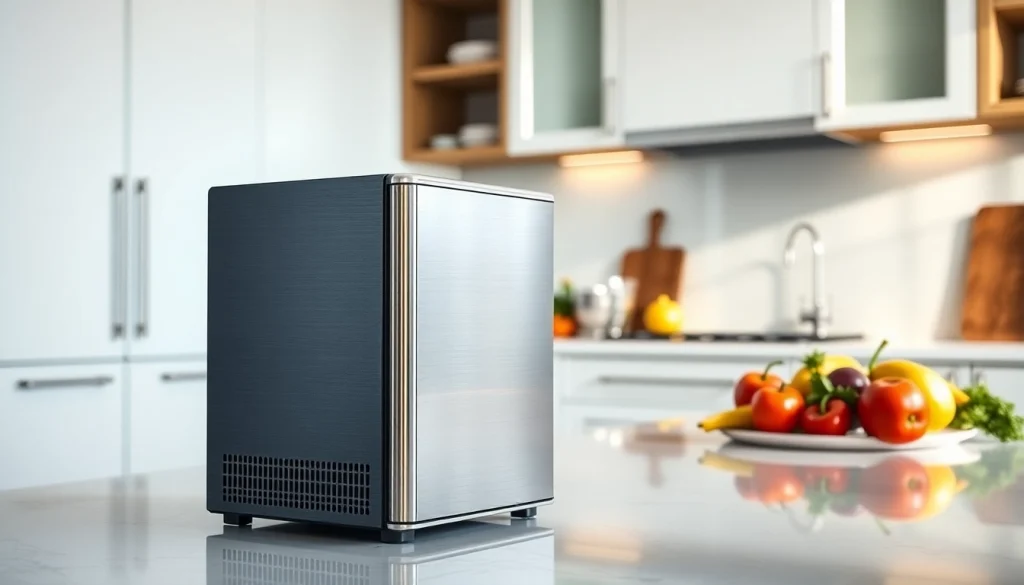
Understanding the Mini Freezer
In today’s fast-paced world, maximizing space without sacrificing functionality is crucial. Enter the mini freezer, a compact solution ideal for individuals and families alike. These small yet powerful appliances have become essential for specific lifestyles, providing efficient storage for frozen foods and other items in various settings. This article explores what a mini freezer is, its benefits, ideal usage scenarios, and much more.
What Is a Mini Freezer?
A mini freezer is a smaller version of traditional freezers, designed for convenience and efficiency in limited spaces. Typically ranging from 1.1 to 3.5 cubic feet in capacity, these freezers can be standalone units or part of a combo fridge-freezer appliance. While they may be less spacious than standard models, mini freezers leverage intelligent design to deliver impressive storage capacity while fitting comfortably in dormitories, offices, garages, or small kitchens.
Benefits of Using a Mini Freezer
- Space-Saving: Their compact designs allow them to fit into areas where traditional freezers cannot, such as under counters or in tight corners.
- Energy Efficiency: Mini freezers generally consume less power compared to their larger counterparts, making them cost-effective and eco-friendly.
- Affordability: These appliances often come at a lower purchase price and require less energy, resulting in overall savings for the user.
- Convenience: Having additional freezer space at arm’s reach simplifies meal prep and helps minimize food waste by preserving bulk purchases.
Ideal Scenarios for Mini Freezer Usage
The versatile nature of mini freezers makes them suitable for numerous use cases:
- Dorm Rooms: College students can store frozen meals and snacks without needing a full-sized freezer.
- Small Apartments: Residents of compact living situations can benefit from additional freezing space.
- Garages or Workshops: Storing food for outdoor gatherings or cooling beverages during summertime activities.
- Supplemental Freezer: Households can utilize mini freezers to hold bulk purchases and seasonal produce.
Types of Mini Freezers
Understanding the different types of mini freezers available can help you make an informed purchase based on your specific needs. Here, we delve into the two primary categories: chest and upright freezers.
Chest Mini Freezer Overview
Chest mini freezers are typically larger and provide ample storage space, often making them ideal for long-term food storage. Some characteristics include:
- Design: With a top-opening lid, chest freezers allow for optimal use of space and energy efficiency.
- Storage Capacity: They usually offer a higher capacity than upright models, making them suitable for families with ample freezing needs.
- Accessibility: Items can be stacked, making retrieval straightforward, though it may require digging to reach frozen products at the bottom.
Upright Mini Freezer Insights
Upright mini freezers resemble traditional freezers in design, featuring shelves for easy organization. Key points include:
- Space Efficiency: They require less floor space than chest freezers and fit into narrow spaces easily.
- Organization: Shelving offers better visibility and access to stored items, which can improve usability.
- Thawing Process: Most models have a manual defrost option, simplifying maintenance.
Portability Features in Mini Freezers
Portability is a desirable feature for many, particularly for those who may move frequently or need a freezer that can be relocated. Key design elements include:
- Lightweight Construction: Many mini freezers weigh significantly less than standard freezers, enabling easy transport.
- Compact Size: Their small stature makes it simple to fit them in vehicles for outdoor events or holidays.
- Power Options: Some models may offer a battery or dual-power option, enhancing their usability in diverse environments.
How to Choose Your Mini Freezer
Selecting the right mini freezer involves considering several factors to ensure your choice meets your unique needs. Below, we outline the most critical components to evaluate.
Size Considerations for Your Space
Before purchasing, measure the intended space accurately to determine the maximum dimensions that will fit comfortably. Consider the following:
- Account for any additional clearance needed for ventilation.
- Evaluate the number of items you plan to store – from frozen meals to ice cream.
- Check doorways, stairs, and elevators for transport feasibility, especially for larger models.
Energy Efficiency and Cost
When choosing a mini freezer, examining its energy consumption is vital. Look for the following details:
- Check for ENERGY STAR certification for better efficiency ratings.
- Evaluate estimated annual operating costs to assess long-term expenses against your budget.
- Consider features such as energy-saving settings and eco-friendly modes that can further lower energy use.
Features to Look For
The right features can enhance your experience with a mini freezer. Here are some functionalities worth seeking:
- Temperature Controls: Adjustable settings allow users to optimize for different food storage requirements.
- Interior Lighting: Built-in LED lights improve visibility, making it easier to find items without wasting energy.
- Removable Shelves: Adjustable shelving provides flexibility for storing various-sized items.
Setting Up Your Mini Freezer
Once you’ve chosen your mini freezer, the next step is proper installation and maintenance to ensure optimal performance.
Optimal Location for Placement
The placement of your mini freezer plays a significant role in its efficiency and your accessibility:
- Choose a location with consistent temperatures, avoiding areas with extreme heat or cold.
- Maintain adequate ventilation by leaving space around the freezer, especially behind it.
- Ensure easy access to the freezer to prevent frequent opening, which can lead to energy loss.
Temperature Settings and Maintenance
To achieve the best freezing results, consider these temperature guidelines:
- Set the temperature between 0°F and -10°F (-18°C to -23°C) for optimal preservation of frozen foods.
- Clean the interior and exterior regularly to maintain performance and hygiene.
- Check gaskets for wear and tear, as these can affect the freezer’s ability to hold cold air.
Packing Efficiently for Best Use
Efficient packing can maximize storage capacity while ensuring food safety and accessibility:
- Group similar items together, labeling packages to make utilization easier.
- Avoid overcrowding, which can impede airflow and prevent proper freezing.
- Rotate items regularly, using the oldest frozen products first to minimize waste.
Frequently Asked Questions About Mini Freezers
Do mini freezers really save space?
Yes, mini freezers are designed to optimize space while providing ample storage for frozen foods, making them excellent for compact living situations.
What’s the ideal size for a mini freezer?
The ideal size varies by need, but choosing one that accommodates roughly 1.1 to 3.5 cubic feet is suitable for individuals or small families.
Can I use a mini freezer in an apartment?
Absolutely! Mini freezers are perfect for apartments due to their compact size and energy efficiency.
Are mini freezers energy efficient?
Yes, most mini freezers are designed to consume less energy than traditional models, especially if they are ENERGY STAR rated.
How long do mini freezers typically last?
With proper maintenance, a mini freezer can last anywhere from 10 to 20 years, making it a durable investment for your home.