
Understanding Mini Freezer Basics
What is a Mini Freezer?
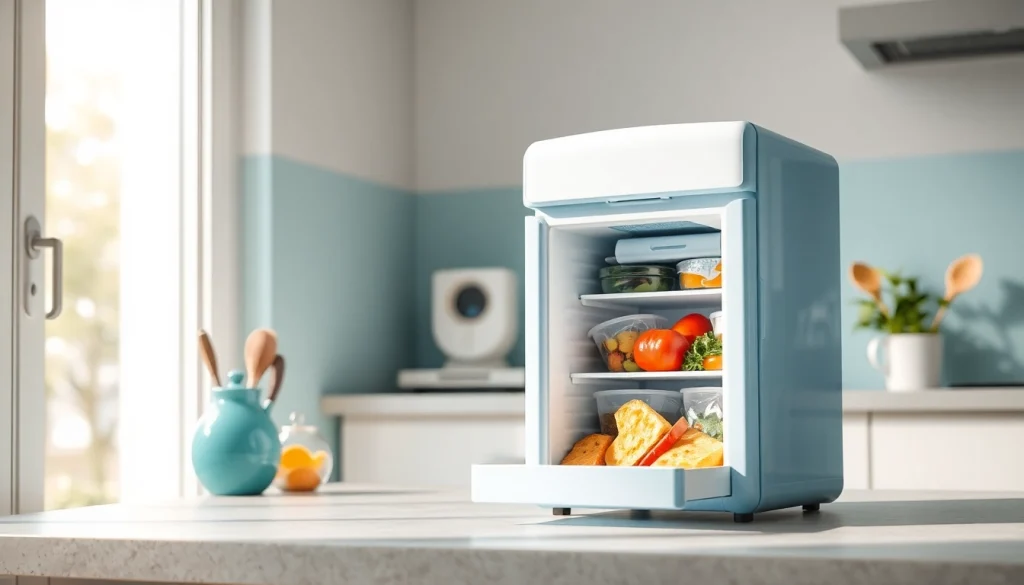
A mini freezer is a compact refrigeration unit designed specifically for freezing food and preserving it for long-term storage. Unlike standard freezers, which can take up significant space, mini freezers are perfect for smaller areas such as apartments, dorm rooms, office break rooms, or even garages. These appliances offer flexibility in storage, allowing users to keep frozen goods easily accessible without the bulk of a conventional freezer. You can find a variety of models that efficiently fit in minimalist spaces while delivering impressive cooling performance. For those in search of a compact solution, a mini freezer is an exceptional choice.
How Does a Mini Freezer Work?
A mini freezer operates similarly to larger freezers, using either a compressor-based or thermoelectric cooling system. The compressor model uses a refrigerant that circulates within coils, absorbing heat from the interior and expelling it through the exterior coils. This process effectively lowers the internal temperature, keeping the contents frozen. In contrast, thermoelectric models rely on a Peltier effect, generating heat on one side of the unit and pulling cold air through by the means of electrical power. While both types can effectively maintain freezing temperatures, compressor models generally offer better performance in terms of efficiency and freezing capability.
Different Types of Mini Freezer
When considering a mini freezer, it’s essential to understand the various styles available to meet specific needs:
- Chest Freezers: These models are wide and deep, allowing users to store bulkier items. They are known for high energy efficiency and keep the cold air well contained when opened.
- Upright Freezers: Featuring shelves and compartments, upright freezers maximize vertical storage and are easier to organize, making them suitable for smaller kitchens.
- Portable Freezers: These are designed for easy transport, often lightweight and equipped with plugs that work in vehicles. They are excellent for road trips or camping.
- Countertop Freezers: Small enough to fit on a countertop, these units provide additional freezing space without taking up too much room, ideal for quick access in home environments.
Key Features to Consider
Storage Capacity
Storage capacity is critical when selecting a mini freezer. Units typically range from 1.1 to 7.0 cubic feet, catering to various household needs. For a single person, a compact model of about 2 to 3 cubic feet can suffice, while families or those looking to store bulk purchases may prefer larger options. It’s essential to assess your storage needs and the types of items you plan to freeze—like meats, vegetables, or pre-cooked meals—to select an appropriately sized mini freezer.
Energy Efficiency
Energy efficiency is another vital aspect of a mini freezer. As these units will be running continuously, opting for an energy-efficient model can lead to significant cost savings over time. Look for freezers with Energy Star ratings, which adhere to strict energy consumption guidelines without sacrificing performance. The initial investment may be slightly higher, but energy-efficient models tend to have lower operating costs, giving you long-term benefits.
Design and Size Options
Design plays a crucial role in ensuring the mini freezer fits well within your space while complimenting your interior decor. Options may vary in color, finish, and overall layout. Moreover, consider the size of the freezer itself; top-notch manufacturers provide models that comply with standard kitchen aesthetics, making them functional yet stylish. In addition to color choices, configuration matters—select a mini freezer that aligns with your space constraints and enhances usability.
Best Practices for Using a Mini Freezer
Maintaining Optimal Temperature
To keep your mini freezer functioning optimally, maintaining the right internal temperature is crucial. The recommended temperature for freezing food is 0°F (-18°C) or lower. Regularly check the temperature settings and use an appliance thermometer to ensure it remains consistent. Avoid overloading the unit, as it can obstruct air circulation and lead to temperature inconsistencies.
Properly Organizing Storage
Organization in a mini freezer contributes to efficient usage and quick access to items. Implement a system for labeling and categorizing food, such as meats, vegetables, or ready-to-eat meals. Divide the items using bins or baskets, which can help streamline access and minimize temperature variations when the door is opened. Regularly rotate stored items to consume older products first, ensuring freshness and minimizing waste.
Regular Cleaning Tips
Keeping your mini freezer clean is essential for maintaining food safety and efficiency. Aim to defrost and clean the freezer at least once a year. Unplug the appliance and remove all food items, allowing excess ice to melt. Use a solution of warm water and mild soap to wipe down surfaces, avoiding abrasive cleaners that could damage the interior. Once cleaned and dried, reorganize the contents appropriately before plugging it back in.
Common Challenges with Mini Freezers
Dealing with Temperature Fluctuations
Temperature fluctuations can occur due to excessive opening of the freezer door, poor organization, or a faulty thermostat. To address this, monitor how often the door is opened and try to minimize this during peak usage times. Additionally, arranging items to allow for better airflow can prevent hot spots that lead to uneven temperatures. If issues persist, check for sensor or compressor malfunctions requiring professional service.
Overcoming Limited Space
Limited space is a common issue with smaller residences. To optimize space, select a freezer that fits your lifestyle and is compatible with available areas. Consider undercounter models or a vertical design if floor space is a concern. Additionally, evaluate storage options, ensuring that items are neatly stacked or stored vertically to maximize every inch available.
Cost-Effective Solutions
Keeping freezer costs manageable involves using effective practices to save on energy bills and comply with maintenance schedules. Utilize energy-efficient appliances that consume less power. Regularly check door seals to identify leaks and ensure proper closure. Finally, plan meals and shop efficiently to avoid overstocking, which can lead to unnecessary electricity consumption.
FAQs About Mini Freezers
Do mini freezers work effectively?
Yes, mini freezers can effectively preserve food for long-term storage when selected and maintained properly. They serve as reliable cooling units well-suited for various living environments.
What size mini freezer is suitable for one person?
A mini freezer with a capacity of about 2 to 3 cubic feet is typically ideal for one person, providing enough space for personal meals and essentials without occupying too much area.
How much energy does a mini freezer use?
Energy consumption varies based on size and efficiency ratings, but most mini freezers use between 100 and 400 kWh per year. Choosing an Energy Star-rated model ensures lower energy costs.
Can I store breast milk in a mini freezer?
Yes, a mini freezer can securely store breast milk. It’s crucial to ensure that the freezer maintains the proper temperature to preserve the milk’s nutritional value for longer periods.
What foods are best suited for freezing?
Foods ideal for freezing include meats, berries, vegetables, baked goods, and prepared meals. However, some items like lettuce and cucumbers may lose their texture and are not recommended for freezing.